
A Global Guide to South Korean Marriage Culture
South Korea is a fascinating blend of tradition and modernity, and nowhere is that more visible than in marriage culture. From elaborate ceremonies rooted in centuries-old customs to contemporary dating and partnership norms, marriage in Korea reflects how family, society, and individuality intersect here. As someone who has grown up in Korea and seen weddings, proposals, and family negotiations from close up, let me take you on a cultural journey that explains both the classic and modern sides of Korean marriage.
Marriage as a Family Partnership, Not Just a Romantic Choice
In many Western cultures, marriage is often framed purely as the culmination of romantic love between two individuals. In Korea, that’s also important, but marriage is widely seen as linking two families, not just two people. Historically, families played a significant role in approving matches, and even today, parents’ opinions still carry weight, especially in more traditional households.
This doesn’t mean forced arranged marriages are common anymore — far from it. But choosing a life partner here often involves considering family harmony, background, and sometimes subtle parental expectations.
Engagement and Matching Traditions
Traditionally, families would meet and confirm suitability before the couple dated seriously. While this matchmaking tradition called seon still exists, especially among older generations or rural families, modern Korean couples largely choose their partners themselves. The influence of parents has shifted rather than disappeared.
Engagement in Korea is often informal first: couples discuss futures privately and then inform families. Invitations to meet parents are a big step, and how it’s handled varies by family, generation, and region.
Wedding Ceremonies: Modern Meets Traditional
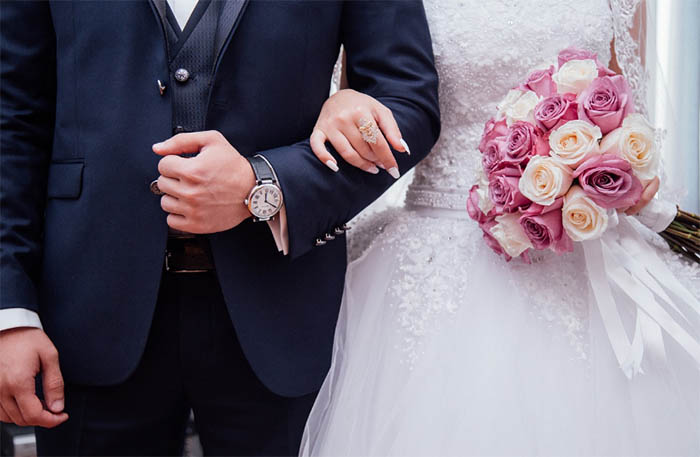
Korean weddings are a unique mix of Western and Korean traditional elements. Many couples today choose a Western-style ceremony with white dresses, tuxedos, and aisles, followed by a Korean traditional ceremony, called paebaek. The paebaek ritual is a formal gathering where the bride offers dates and chestnuts (symbols of children) to the groom’s family, and elders give their blessings and advice.
This dual format honors both global wedding aesthetics and Korean heritage, making weddings deeply meaningful and visually rich.
The Financial Side of Marriage
One cultural element that surprises many foreigners is how marriage costs and housing expectations can influence timing and life plans. In Korea, owning a home before marriage has historically been a strong norm. This has made marriage timing closely tied to financial stability more than in many other countries.
Young couples and their families often discuss who pays for what — wedding costs, housing, savings, and future plans — as part of serious pre-marriage conversation. This financial partnership mindset is part of planning a secure future together.
Living Together Before Marriage: Changing Norms
Living together before marriage was once rare or frowned upon in Korea, largely due to traditional values and respect for family perception. But this has changed significantly, especially in big cities. Younger Koreans today often live together before marriage as a way to see if they are compatible in daily life — a practical step that older generations might still view conservatively.
This shift reflects broader cultural changes: increasing individualism, delayed marriage age, and evolving views about relationships and independence.
Marriage Age and Social Expectations
The age of marriage in Korea has been gradually rising. Many Koreans focus on education, career, and economic stability before committing to marriage. This delay isn’t unique to Korea — it matches a global trend — but family and social expectations still play a role. Parents and relatives often ask about “when are you getting married?” at gatherings, which can be both amusing and pressure-filled for singles.
Relationship Balance: Personal, Family, and Social
Once married, many couples balance roles in ways that reflect cultural expectations and modern negotiation. Traditionally, Korean families had clear gender roles: men were breadwinners and women managed home life. While traces of this remain, social norms are shifting rapidly. Many modern couples share financial responsibilities, household tasks, and career goals. This dynamic varies by person and generation, but the trend is toward more balanced partnerships.
Children and Parenting Values
Having children is often seen as a joyful and natural extension of married life in Korea. Family support — from grandparents to cousins — plays a big role. Parenting values blend traditional respect and modern nurturing, and education often becomes a central focus early on. These family priorities shape many marriage decisions and everyday life rhythms.
Divorce and Changing Views on Commitment
Divorce used to carry significant stigma in Korean society, but attitudes have softened. Legal and social support systems have improved, and people increasingly view relationships in terms of personal wellbeing and long-term happiness. That doesn’t erase all judgment, but it shows how Korean society adapts to global realities of partnership and life goals.
International Marriages: Global Love in Korea
International marriages are common in Korea, and they bring their own cultural blends. Couples from different backgrounds often navigate language differences, family expectations, and lifestyle norms. Many succeed beautifully by finding balance between each partner’s cultural identity and shared future plans.
Living in Korea as part of an international couple means learning not just language, but cultural rhythms — holidays, family gatherings, social norms — and weaving them into your own story.
Final Thoughts from a Local Perspective
South Korean marriage culture is rich, layered, and evolving. It combines deep respect for tradition with a pragmatic embrace of modern life. Marriage here isn’t a check-the-box process — it’s a life phase where family, personality, responsibility, and love all play important parts.
For foreigners interested in Korean culture, understanding marriage customs gives insight into broader Korean values: respect for family, planning for stability, and finding harmony between tradition and personal choice.
Safety Rules for Traveling Alone in Korea: An Honest Local Guide