Why Foreign Workers Are in Demand in Korea
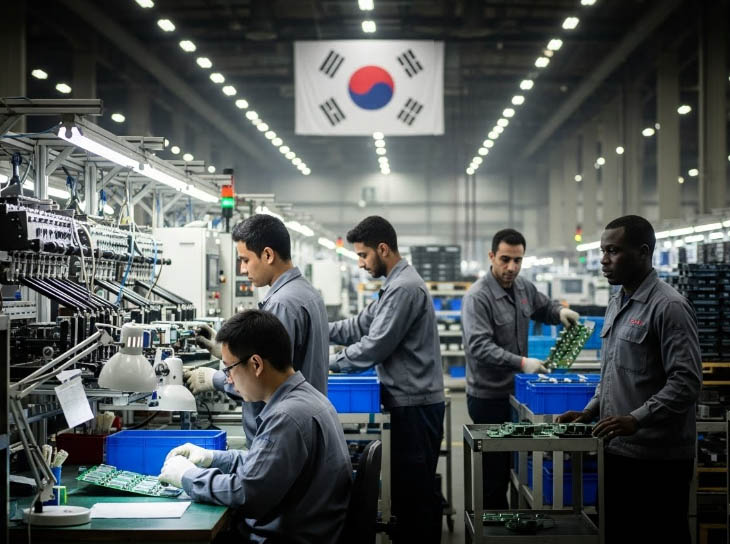
South Korea is a highly industrialized country with a strong manufacturing base. From automobiles and electronics to shipbuilding and textiles, industrial jobs are a major part of the economy. In recent years, Korea’s aging population and tight labor market have increased demand for foreign workers in industrial sectors.
If you’re considering moving to Korea for work, a basic understanding of how the industrial workforce operates — legally, socially, and culturally — will make your transition smoother and more successful.
Understanding the Legal Framework: Visas and Work Permits
Before anything else, you must enter Korea with the correct visa. Most industrial jobs require official work authorization, and there are several visa options:
E‑9 Visa (Non‑Professional Employment):
This is the most common visa for industrial work. It’s specifically designed for foreign workers in manufacturing, construction, agriculture, and certain service sectors.
E‑7 Visa (Specialized Employment):
If your job requires professional skills or specialized knowledge, you may be eligible for the E‑7 category. Some factory positions with technical responsibilities fall under this type.
H‑2 Visa (Working Holiday):
Available for citizens of selected countries. It allows you to work temporarily in various jobs, including industrial work.
Each visa type has eligibility requirements, application processes, and time limits. Starting your employment without full and proper authorization can lead to legal trouble and deportation, so this step is crucial.
Finding a Job: Channels and Tips
There are several ways foreign workers connect with industrial employers in Korea:
Recruitment Agencies
Many factories hire through licensed agencies that help with placement and visa paperwork.
Online Job Portals
Websites list factory jobs in Korean and sometimes in English. Knowing basic Korean helps but isn’t always required for initial searches.
Networking
Word of mouth, community groups, and social media can be surprisingly effective in Korea. Connecting with other foreign workers here often leads to job leads and useful insider tips.
When evaluating a job offer, always ask about:
- Work hours and overtime pay
- Safety training
- Provided accommodations
- Transportation arrangements
- Visa support and contract details
Understanding these details upfront protects you from misunderstandings later.
Workplace Safety: What to Expect
Industrial jobs involve physical work, machinery, and sometimes long shifts. Korea has strict safety regulations on paper, but the real experience varies by company.
In many large factories, safety is taken seriously:
- New worker orientation and safety training
- Regular checks of protective equipment
- Emergency procedures and drills
In some small or subcontracted facilities, safety conditions may be less ideal. This doesn’t mean chaos — but it does mean you should be proactive:
- Make sure safety instructions are clear
- Confirm if materials are in your language
- Speak up if something doesn’t feel right
Workplace safety isn’t just a legal requirement — it’s part of creating a respectful environment for workers of all backgrounds.
Language Matters: Korean in the Workplace
While some workplaces use English or translators, Korean language skills significantly improve your experience.
Even basic phrases like:
- “Thank you”
- “I don’t understand”
- “Is this safe?”
can make a big difference. Many factories offer language support or pairing with Korean coworkers, but learning Korean helps you communicate clearly, understand instructions, and build better relationships.
Daily Life and Work Culture in Korea
Korean work culture has certain characteristics that might feel unfamiliar at first:
Group Harmony and Respect
There’s a strong cultural emphasis on respect for seniors, teamwork, and shared responsibility. It’s common for teams to socialize after work, although this is more typical in office settings than in factories.
Punctuality and Discipline
Arriving on time and following established procedures is expected. This contributes to efficient and organized work environments.
Hierarchy and Communication
Communication may be more formal than what some foreigners are used to. Direct feedback is less common than in Western workplaces, and subtle cues matter.
These cultural traits are not negative — they are part of what makes Korean workplaces function effectively once you understand them.
Rights and Support Services for Foreign Workers
In Korea, foreign workers have rights protected by labor laws. You are entitled to:
- Minimum wage
- Overtime pay
- Safe working conditions
- Written contracts
Additionally, government and nonprofit organizations provide support services:
- Legal counseling
- Language assistance
- Emergency help
- Labor rights education
If issues arise, contacting a support center or labor office early can help resolve misunderstandings.
Money Matters: Pay, Overtime, and Costs
Wages in industrial jobs vary by sector and company. Many offer:
- Hourly wage plus overtime
- Paid holidays
- Social insurance (for longer contracts)
Note that cost of living in Korea differs by city. Seoul is expensive, while smaller cities are generally more affordable. Be sure to budget for:
- Rent
- Transportation
- Food
- Healthcare
Understanding your salary and monthly expenses helps you avoid financial stress and plan ahead.
What Foreign Workers Say: Real Voices
Many foreign workers describe Korea’s industrial work as structured and predictable. Some common sentiments include:
- Clear expectations
- Daily routines with set schedules
- Opportunities to improve skills
- A sense of stability once adapted
Challenges often mentioned are language hurdles and adjusting to cultural norms, not necessarily the work itself.
Long‑Term Stay and Career Growth
Working in Korea can also lead to:
- Opportunities for promotion
- Skill development
- Transition to other jobs
- Possibility of long‑term residency with stable employment
Employers value committed workers, and growing your Korean skills can open further paths in logistics, quality control, or supervisory roles.
Conclusion: Prepare Well, Work Smart
The industrial workforce in Korea offers meaningful opportunities for foreign workers, but success starts with preparation. Understanding visas, job conditions, cultural norms, safety expectations, and your rights helps you enter the workforce confidently.
From a local point of view, foreign workers who come prepared with basic Korean language skills, awareness of workplace culture, and clear expectations find their experience much smoother and more rewarding.