
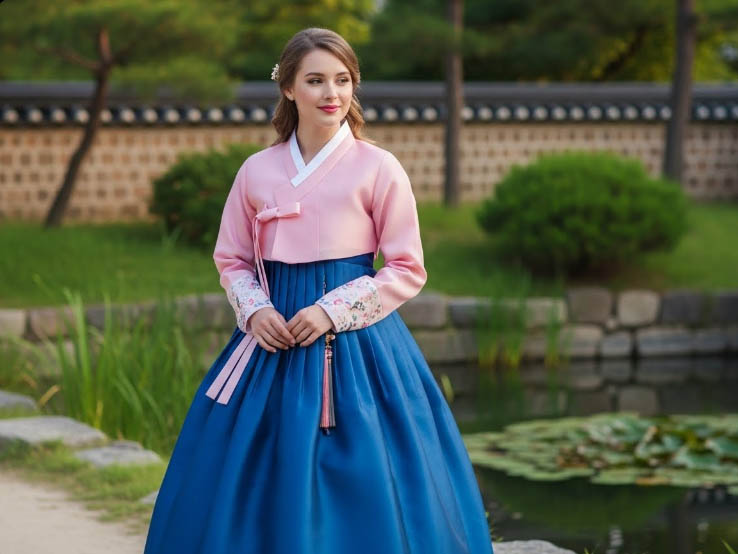
Adjusting to Korean Food and Lifestyle
Moving to Korea or living here long-term is like stepping into a world where everyday life feels familiar yet wonderfully different. Korean food is rich, vibrant, and woven into daily routines. Korean lifestyle rhythms — from morning markets to late-night convenience stores — form a tapestry that invites you to explore, adapt, and, eventually, feel at home.
As a Korean woman who’s walked these streets, eaten these foods, and watched friends from around the world find their rhythm here, I want to share what adjustment truly looks like from a local’s perspective — grounded, practical, and maybe a bit witty.
The First Bite: Korean Food Is a Culture, Not Just a Cuisine
When someone says “Korean food,” many people think kimchi and bulgogi. But the reality is richer and deeper:
- Rice becomes the base of almost every meal.
- Side dishes (banchan) change by season and region.
- Meals are communal — shared plates at the center of the table.
For many foreigners, the first shock comes when they sit down and realize: everything is meant to be shared. It’s not just about eating — it’s about connection.
Kimchi Isn’t Optional — But You Don’t Have To Love It Immediately
Kimchi is almost a national emblem — spicy, tangy, pungent, and everywhere.
- At first, it can feel like an acquired taste.
- At second, you realize you crave it with every meal.
- By the third year, you’re debating Napa cabbage varieties with your Korean neighbors.
Kind of like friendship.
If kimchi feels intense at first, start with mild versions. As your taste buds adjust, you’ll appreciate its versatility — from stews to pancakes.
Side Dishes: The Unsung Heroes of Every Meal
Walking into a Korean meal, you might think:
“Okay, one main dish… right?”
Then bam — you see five, ten, sometimes more small plates.
Some will be familiar — spinach, pickled radish — and others will keep you guessing. The beauty here is that variety lets your palate explore without commitment. Sample everything. Ask names. Your server will often smile — Koreans love when foreigners show curiosity about banchan.
Spiciness Levels: Ask Before You Commit
Korean food has a reputation for heat, and it’s true — many dishes bring spice to the party. But not all do.
If spice isn’t your thing, just say:
맵지 않게 해 주세요 — “Please make it not spicy.”
Most restaurants will happily adjust. Korea’s heat obsession is real — but kindness in the kitchen is too.
Eating Out vs. Eating In: Different Worlds
Eating out in Korea is an adventure. But living here means discovering the joy of eating in.
Local markets, neighborhood vendors, grab-and-go eats at convenience stores — all offer part of the lifestyle that locals take for granted.
Once you start enjoying:
- A quick lunch bowl before work
- Warm soups on rainy days
- Midnight tteokbokki after a long meeting
you’re not just eating — you’re living Korean life.
Daily Routines: Early Starts and Late Evenings
Korea’s lifestyle rhythm can feel fast, even loud:
- Morning markets buzz early.
- Workdays end late.
- Cafes fill after dinner.
- Convenience stores are literal lifelines.
Adapting means embracing flexibility. Weekday walks may happen after supper, and weekends may begin late with brunch friends.
Public Transport: Efficient Meets Social
Korea’s subway and bus systems are models of efficiency. But if you’re new here, remember:
- People board and exit like a synchronized dance.
- Announcements are rapid but rhythmic.
- Rush hour feels like a passionate commitment to punctuality.
Once you get the flow, transit becomes part of your daily lifestyle — not merely a necessity.
Social Norms: Politeness and Harmony First
Korean social norms prioritize harmony, respect, and indirect communication. You may notice that people:
- Use polite forms even in casual settings
- Apologize often, even when nothing’s wrong
- Navigate disagreements with gentle wording
At first, it may feel formal. But as you adjust, you’ll appreciate how politeness smoothed everyday interactions.
Exercise, Nature, and Urban Balance
Whether it’s morning walks by the Han River, weekend hikes in the mountains, or peaceful parks in every neighborhood, Korea’s lifestyle includes a love of nature.
Foreigners often tell me:
“Once you embrace walking culture here, you never go back.”
Korean cities are compact, and walking becomes both exercise and everyday routine.
Celebrations and Everyday Food Rituals
Korea’s food culture revolves around rhythm:
- A warm soup on a rainy day
- Cold noodles in summer
- Holiday feasts with family
Understanding food means understanding seasonal life here — not just menu items.
Language and Food: A Daily Adventure
Learning a few food-related phrases opens doors fast:
- 이거 뭐예요? — “What is this?”
- 추천 메뉴 있어요? — “Do you have a recommended dish?”
- 계산서 주세요 — “Please bring the bill.”
Korean people genuinely appreciate when foreigners show curiosity about food. It’s a shared language of welcome.
Final Thought: Give Yourself Time — and Appetite
Adjusting to Korean food and lifestyle isn’t an overnight transformation. It’s a lang-term adoption. This is a country where meals are memories, routines are rhythms, and shared experiences matter.
Taste buds adapt. Eyes open to new flavors. Daily life becomes familiar, comforting, and your own.
Living in Korea — with its food, its hustle, its social warmth — isn’t just an adjustment. It’s a full-body experience that becomes part of your story.
Enjoy every bite, every step, and every shared moment.