
10 Korean UNESCO Heritage Sites You Absolutely Must See
You’ve explored the modern, neon-lit side of Korea, but to truly understand the country’s profound historical and cultural depth, you need to visit its UNESCO World Heritage sites. These aren’t just old buildings; they are globally recognized testaments to Korea’s genius in art, science, and governance.
Visiting these sites is a pilgrimage that connects you directly to the Joseon Kings, the Silla Queens, and the ancient Buddhist philosophy that shaped the peninsula.
As a local, I’ve compiled the ultimate list of 10 Korean UNESCO Heritage Sites that you simply cannot miss—from the mountains of Jeju to the historic tombs of Seoul. Prepare for an epic journey through time!
The Seoul & Gyeonggi Royal Core (Joseon Dynasty)
These sites represent the height of the last royal dynasty’s power and tradition.
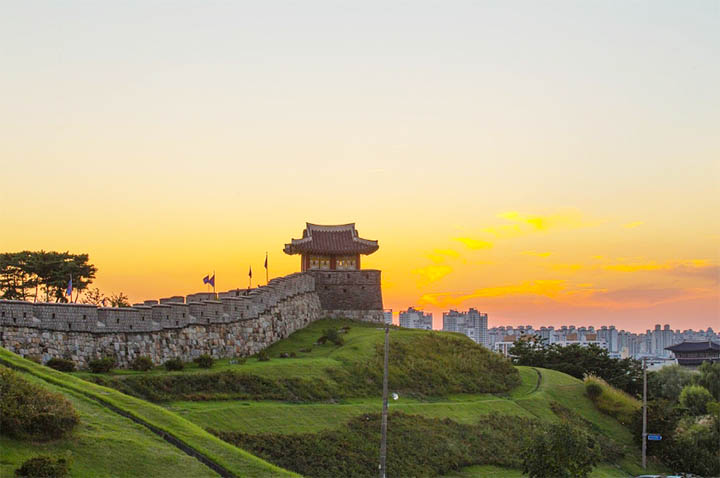
1. Hwaseong Fortress (수원 화성): Located just south of Seoul in Suwon, this massive 18th-century fortress showcases the brilliant architecture and advanced military science of the late Joseon era. It’s magnificent to walk the entire wall.
2. Jongmyo Shrine (종묘): Located in Seoul, this is the oldest and most authentic Confucian royal ancestral shrine. Its simple, elegant architecture and solemn atmosphere are stunning. It is the spiritual heart of the Joseon dynasty.
3. Changdeokgung Palace Complex (창덕궁): Unlike the grand Gyeongbokgung, this palace is a UNESCO site because its design blends harmoniously with the natural landscape. Its Huwon (Secret Garden) is an absolute must-see, especially in autumn.
4. Royal Tombs of the Joseon Dynasty (조선왕릉): Scattered around the Seoul/Gyeonggi area, these 40 royal tombs are meticulously preserved and housed in tranquil, beautiful parks. They demonstrate the sophisticated funerary rites and feng shui principles of the era.
The Silla Kingdom Masterpieces (Ancient History)
Head to Gyeongju, the “Time Capsule City,” to witness the unparalleled artistry of the Silla Kingdom (up to 935 AD).
5. Bulguksa Temple (불국사) & Seokguram Grotto (석굴암): Often considered the twin jewels of Silla Buddhist art. Bulguksa is a serene temple complex, while Seokguram houses a perfectly sculpted granite Buddha that represents a peak achievement in East Asian religious art.
6. Gyeongju Historic Areas (경주 역사유적지구): This includes the rolling hills of the royal tomb complexes, the ruins of palaces, and temple sites that cover the city center—an entire city preserved as a historical treasure.
Unique Historical & Natural Wonders
These sites showcase Korea’s global significance in distinct fields.
7. Hahoe and Yangdong Historic Villages (하회/양동마을): These two clan villages in Gyeongsang-do offer the most authentic look at traditional Korean Yangban (aristocratic) life and architecture from the Joseon period, perfectly preserved down to the last tile roof.
8. Jeju Volcanic Island and Lava Tubes (제주 화산섬과 용암 동굴): Korea’s only natural UNESCO World Heritage Site. This includes Hallasan Mountain, the stunning Seongsan Ilchulbong (Sunrise Peak), and the vast, unique geological formations of the lava tube system.
9. Gochang, Hwasun, and Ganghwa Dolmen Sites (고창/화순/강화 고인돌): These sites preserve thousands of prehistoric dolmen (megalithic tombs) from the Bronze Age. They offer tangible proof of ancient Korean civilization and are globally significant due to their sheer density.
The Recent Addition
10. Sansa, Buddhist Mountain Monasteries of Korea (산사): This includes seven ancient mountain temples (like Beopjusa and Magoksa) that have remained active centers of Buddhist practice for centuries. They showcase a unique Korean architectural style and spiritual tradition.
Visiting these sites is the best way to understand the deep roots and quiet grandeur that define Korean culture today.