
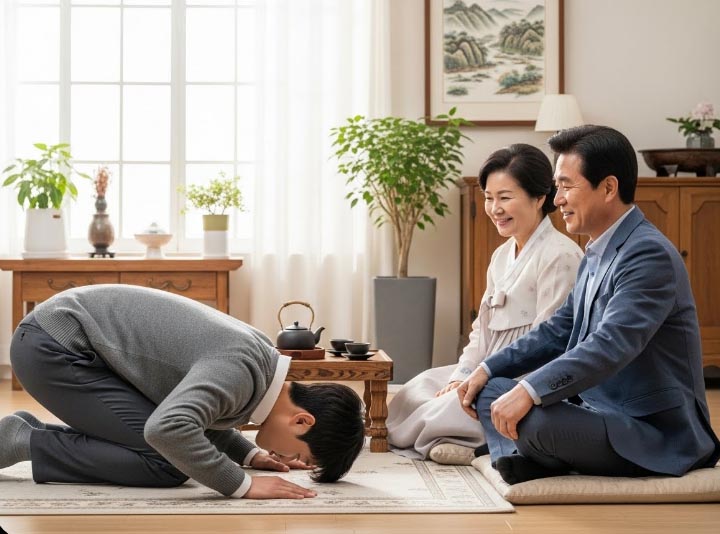
Are Korean Men Family Oriented?
What Family Really Means in Korea Today
Many foreigners notice early on that family comes up often when talking with Korean men. Parents, siblings, and family duties are frequent topics, which leads to a common question. Are Korean men truly family oriented, or is this just a cultural stereotype?
As a Korean woman, here is the realistic picture of how family fits into Korean men’s lives today.
Family Is a Core Value in Korean Culture
Traditionally, Korean society places strong emphasis on family. Respect for parents, caring for elders, and maintaining family ties have long been considered important values.
For many Korean men, family is not just emotional support. It is a sense of responsibility and identity.
Being Family Oriented Does Not Mean Being Controlled
One common misunderstanding is that family oriented means parents control every decision.
In reality, most Korean men make their own choices, especially when it comes to dating. However, family opinions still matter emotionally, even if they are not followed exactly.
Caring about family does not always mean obeying them.
How Korean Men Show Family Commitment
Family orientation often shows up through actions rather than words.
Regular visits, financial support, helping parents with practical matters, and staying connected are common. Many Korean men feel proud of being dependable sons.
This sense of duty is often learned early and carried into adulthood.
Generational Differences Are Significant
Younger Korean men approach family differently than older generations.
While they still care deeply about their families, they also value independence and personal boundaries more. Blind sacrifice is no longer expected or admired the way it once was.
Balance is becoming more important than obligation.
Family and Dating Are Closely Connected
When a Korean man is serious about a relationship, he often thinks about how it fits into his family life.
Introducing a partner to family members is usually a meaningful step. It often signals long term intentions rather than casual dating.
This can feel intense to foreigners, but it is usually a sign of respect.
Marriage Changes the Role of Family
After marriage, expectations can increase.
Some families expect frequent visits, shared holidays, or involvement in family events. However, modern couples increasingly negotiate boundaries together rather than accepting everything automatically.
How family oriented a man is becomes very visible after marriage.
Foreign Partners and Family Attitudes
Korean families vary widely in how they feel about international relationships.
Some are very open and welcoming, while others are cautious at first. Korean men who choose international relationships often act as bridges between cultures and help their partners navigate family expectations.
Effort and sincerity matter more than nationality.
Family Orientation Can Be a Strength
Many Korean women see family oriented men as reliable and caring.
Men who treat their parents well are often expected to treat their partners with the same sense of responsibility and respect.
However, healthy boundaries are still important.
What Really Matters
Not all Korean men are the same.
Some are deeply family focused, others are more individualistic. What matters most is how a man balances family loyalty with respect for his partner.
That balance defines whether family orientation feels supportive or overwhelming.
Final Thoughts from a Korean Woman
Are Korean men family oriented?
Yes, many are, but the meaning of family is evolving.
Today, being family oriented often means caring, responsibility, and connection rather than control or sacrifice. When balanced well, it can be one of the strongest and most attractive traits in a Korean partner.