
Korea’s Manufacturing Reputation
When people think of Korea, they often picture high‑tech industries, global brands, and advanced manufacturing. Names like Samsung, Hyundai, LG, and Kia come to mind. But for many foreigners interested in working here, the next question is natural: Are manufacturing jobs in Korea safe? The straightforward answer is that yes, many manufacturing workplaces in Korea meet safety standards, but the reality involves nuances that every job seeker should understand.
From a local’s perspective, Korea has improved workplace safety over the past decades, driven by both government enforcement and public demand. Yet conditions can vary depending on the company, region, and specific job.
What “Safety” Means in the Korean Manufacturing Context
In Korea, safety is often measured by:
- Compliance with national regulations
- Availability of protective equipment
- Training and supervision for workers
- Company culture around safety and reporting hazards
The Ministry of Employment and Labor sets safety standards that all workplaces must follow. These standards cover machinery operation, fire prevention, emergency procedures, and worker protection. In large corporations and export‑driven factories, compliance is usually strictly monitored.
However, smaller manufacturers or subcontracted facilities might not have the same level of enforcement or resources, which can affect working conditions. Knowing this context helps avoid blanket assumptions about safety in all factories.
The Good: Established Safety Measures in Modern Factories
In many high‑profile Korean factories, especially those owned by large conglomerates (chaebol), safety measures are taken seriously. Some positive traits include:
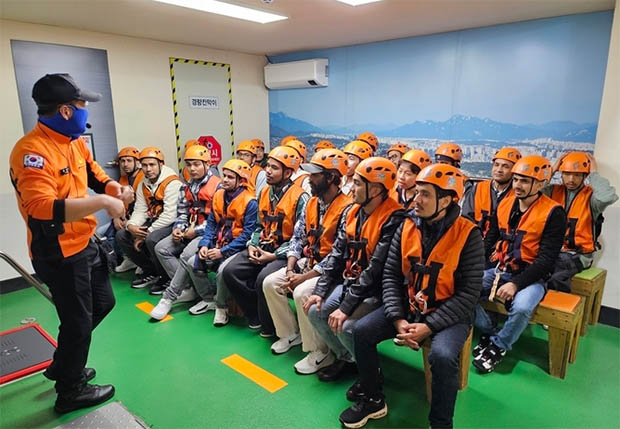
Structured Safety Training
Before starting work, employees often go through safety orientation that explains potential risks, equipment use, and emergency procedures. This training is not just a formality — it’s regularly reinforced.
Protective Gear and Checks
It’s common to receive proper protective equipment, such as helmets, gloves, ear protection, and eye protection. Regular checks make sure workers use them correctly.
Routine Inspections
Many companies conduct internal and external audits of safety systems, partly because they export goods and must meet international standards.
Workers often report that these structured practices make them feel protected and valued. It’s not perfect everywhere, but in many qualified factories, safety is taken seriously.
The Reality: Small and Medium Enterprises (SMEs) Vary
Not all manufacturing sites in Korea have the same reputation. Smaller factories or subcontractors may struggle with safety issues for reasons such as limited budgets, less oversight, or less experienced management. In these settings:
- Safety training may be minimal
- Protective equipment may be outdated
- Reporting hazards may feel informal or discouraged
These challenges are not unique to Korea — many countries face similar issues in smaller manufacturing sectors. But it’s important for job seekers to research specific companies and work environments before accepting positions.
Worker Training and Cultural Factors
One cultural factor that affects safety in Korea is the emphasis on hierarchy and group harmony. In some workplaces, younger or new workers may hesitate to speak up about unsafe conditions if they feel it challenges authority or disrupts team dynamics.
That said, this is changing. Younger workers are more vocal, unions are more active, and companies are increasingly aware that safety improvements can reduce costs and increase productivity.
Foreign Workers in Korean Manufacturing: Special Considerations
Foreign workers contribute significantly to Korea’s manufacturing workforce. Many come through employment visas or brokered contracts. For them, safety experiences can vary:
Language Barrier
Safety instructions may be primarily in Korean, so non‑Korean speakers can feel at risk if translation support is limited.
Contract Conditions
Some foreign workers are employed through agencies, which can create confusion about responsibility for safety training and protective equipment.
Reporting Incidents
Fear of retaliation or job loss can discourage some foreign workers from reporting unsafe conditions. However, laws prohibit retaliation, and resources exist to help workers understand their rights.
For these reasons, foreign workers often do best when they:
- Confirm safety training will be provided in a language they understand
- Ask about protective gear policies
- Check company safety records if available
Comparing Safety: Korea vs. Other Countries
By global standards, Korea’s workplace safety record in manufacturing is mixed but improving. Compared with many industrialized economies, Korea has made progress in reducing workplace accidents and tightening regulations. Yet, like in many countries, hazards still exist, especially in older facilities or small operations.
What’s encouraging is that public awareness and government enforcement are increasing. Workers today have more avenues to report issues and seek support than they did a decade ago.
How to Evaluate a Job Offer in Korea’s Manufacturing Sector
If you’re considering a manufacturing job in Korea, here are practical tips to assess safety:
Ask About Training
Find out if standardized safety training is offered and how often.
Inspect Protective Equipment
Make sure the company provides up‑to‑date protective gear.
Assess Company Size and Reputation
Larger companies usually have stronger safety systems than small subcontractors.
Talk to Current Employees
First‑hand accounts can reveal everyday safety culture.
Consider Language Support
Make sure you can understand safety instructions clearly.
These steps help you make an informed decision before signing any contract.
Overall Perspective: Safe With Due Diligence
From a local point of view, many manufacturing jobs in Korea are safe when employers follow regulations and prioritize worker welfare. Large plants often set examples in safety compliance and worker training.
However, safety is not guaranteed everywhere. Smaller employers may not have the same resources or systems. This makes research and preparation essential for anyone considering employment.
Conclusion: Yes, But With Context
In essence, Korean manufacturing jobs can be safe — especially in well‑managed and regulated workplaces. What matters most is:
- The specific company
- The size and reputation of the factory
- Your understanding of safety policies
- Your ability to communicate and report issues
Korea’s manufacturing sector continues to evolve, balancing rapid industrial growth with stronger safety standards. For job seekers — both domestic and foreign — understanding how safety is implemented in the real world makes all the difference.