
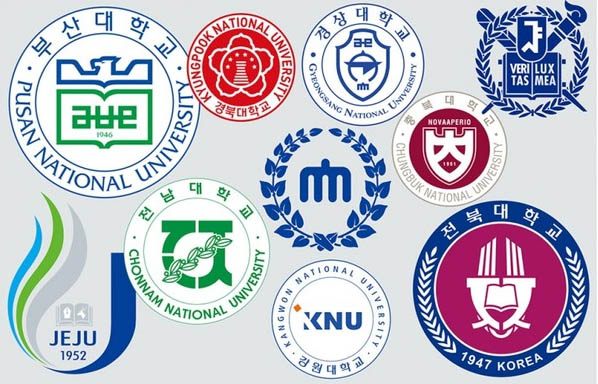
Are National Universities in Korea Better Than Private Ones?
A Local Korean’s Honest Guide for International Students
Setting the Stage: Different Paths, Different Strengths
As someone who lives and breathes Korean culture, I can tell you that the question “Are national universities in Korea better than private ones?” isn’t as simple as answering yes or no. In Korea, both national and private universities have strong reputations, but they often serve different academic purposes and attract different kinds of students.
Before we jump into comparisons, let’s define what we mean by national and private universities in Korea.
- National Universities are funded by the government and tend to have a strong focus on research, public service, and academic stability.
- Private Universities are independently funded and often have more flexibility in programs, international partnerships, and industry connections.
Both types play vital roles in Korea’s education system, but their strengths shine in different areas.
Public Prestige: Seoul National and Its Peers
When people think of national universities in Korea, Seoul National University (SNU) is usually the first name that comes up. Widely regarded as the most prestigious institution in the country, SNU is known for rigorous academics, strong research programs, and a long history of academic excellence.
Other well-known national universities include:
- KAIST (science and tech powerhouse)
- POSTECH (research-focused engineering)
- Pohang University of Science and Technology
- Chungnam National University
- Gyeongsang National University
National schools often have:
- Lower tuition for Korean residents
- Strong support for research
- Large campus facilities
- Government-backed programs
For students who want a traditional academic environment with a research emphasis, national universities can be a top choice.
Private Powerhouses: Yonsei, Korea, and Others
On the other hand, private universities in Korea are often seen as dynamic, adaptable, and international in spirit. Some of the most famous private universities include:
- Yonsei University
- Korea University
- Ewha Womans University
- Sogang University
These schools are known for:
- Competitive admissions
- Strong alumni networks
- Vibrant campus cultures
- Global partnerships
Private universities often attract students who are looking for industry connections, exchange opportunities, and diverse academic programs.
Comparing Prestige: National vs. Private
If we boiled prestige down to a triangle, national and private universities both sit at the top, but in slightly different corners:
- National universities like SNU are often considered the most prestigious in traditional academic terms — especially for research, science, and public sector careers.
- Private universities like Yonsei and Korea University are recognized for their global reputation, extensive networks, and cultural influence.
In Korea, the rivalry between SNU, Yonsei, and Korea University — sometimes loosely referred to as the “SKY universities” — is legendary. SKY represents the highest tier of Korean higher education, and it includes both national (SNU) and private (Yonsei, Korea University) institutions.
So the answer isn’t that national is better than private, but that both can be excellent depending on what you’re looking for.
Academic Experience: Classroom and Campus Life
National universities often emphasize:
- Research opportunities
- A structured curriculum
- Strong science and engineering programs
Private universities often emphasize:
- Liberal arts variety
- Active student clubs and events
- Internationalization and exchange programs
In terms of student life, private universities sometimes have more visible student activities, performances, and festivals. National universities can be more focused on academics and research output, though this varies by school and department.
Career Prospects and Industry Connections
When it comes to career outcomes, both national and private universities produce successful graduates.
- National universities are respected in research, government roles, and academia.
- Private universities are often well-connected in business, media, and international sectors.
Employers in Korea value both types — it often comes down to the individual’s skills, internships, and personal strengths more than the name on the diploma.
International Students: Which Is Better?
For international students, the choice between national and private universities depends on your goals:
If you want:
- a strong research focus
- government-funded programs
- potential tuition benefits
then national universities like SNU or KAIST may appeal.
If you want:
- an international community
- English-friendly programs
- strong industry ties
then private universities might be more attractive.
Many private universities have robust international student offices, English programs, and global internships, which can make the transition smoother for students coming from abroad.
A Local Perspective on a Global Question
Here’s how Koreans often think about this question: “Is one better than the other?” Most will answer something like this:
“They are both excellent, but they shine in different ways.”
A national university might be the best choice if you want to dive deep into research or plan a career in academia or science. A private university might be the best choice if you want global exposure, strong networks, and a dynamic campus life.
Rather than asking whether one is better, the question is really: “Which environment fits you best?”
Final Thoughts
So, are national universities in Korea better than private ones?
The truth is:
- There is no universal answer.
- Both offer high-quality education.
- Your goals, interests, and personality matter most.
In Korea, both national and private universities hold prestige, power, and opportunities — but the best choice depends on what kind of academic and life experience you want.
When you choose a university in Korea, you’re not choosing the “best” in a general sense, but the best for you — and that is what truly matters.