
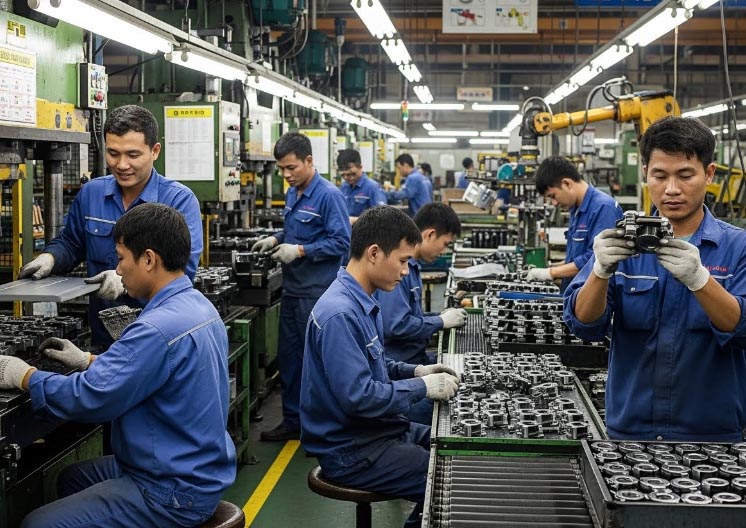
Weekends in Korea — Not Always What You Expect
If you’ve ever wondered whether workers in Korean manufacturing jobs get weekends off, you’re asking a very practical question — and the real answer is yes and no, depending on the company, the shift, and the production demands.
From my perspective as someone living in Korea, weekends are a bigger deal here than many outsiders assume. Koreans love their weekends for rest, family time, and short trips. But in manufacturing, things can be a bit different from a typical nine-to-five office schedule.
Let’s take a clear, honest look at how weekends work in Korean factories.
Standard Workweeks vs. Manufacturing Schedules
Under Korean labor law, a regular workweek is 40 hours. That typically translates to five eight-hour days — which normally means weekends off. But manufacturing doesn’t always follow that Monday-to-Friday pattern.
In many factories, especially those operating on shifts or production schedules tied to quotas, the idea of “weekends” becomes more flexible.
Shift Work: A Closer Look
Many Korean factories use shift systems to keep production moving efficiently. Common shift patterns include:
- Two-shift systems (day and night)
- Three-shift systems (morning, evening, night)
- Rotating shifts, where days off move around the calendar
In these systems, weekends aren’t always guaranteed off. Instead, workers get a set number of rest days per week, but those days may fall on Tuesday, Thursday, or even Wednesday — not always Saturday and Sunday.
From the outside, this can feel a bit strange, especially if you’re used to weekends being sacred time off.
When Weekends Are Off
There are manufacturing jobs in Korea where workers do have Saturdays and Sundays free. This is more common in:
- Smaller factories with lighter production demands
- Companies that run only daytime hours
- Businesses that follow a typical office schedule
In these settings, workers often follow a Monday to Friday timetable, with weekends off just like in many Western jobs.
So if a traditional work–weekend rhythm is important to you, it can be part of your Korean manufacturing job experience — but you’ll usually have to check before you sign a contract.
When Weekends Are Not Off
In many medium and large factories — especially in sectors like automotive, electronics, heavy machinery, and export-oriented production — weekends can be open to work. Reasons include:
- Meeting production targets
- Handling overseas client deadlines
- Keeping equipment running efficiently
- Shift rotations that cycle through all seven days
In these cases, workers might work a few weekends in a row and then get consecutive days off mid-week.
This doesn’t mean unfair treatment. Often, weekend work comes with higher pay rates and compensatory rest days.
Overtime, Weekend Premiums, and Pay Rules
If you do work on a Saturday or Sunday, Korean labor law generally requires higher pay. Weekend, night, and holiday work often come with premium rates — usually meaning more pay than regular weekday hours.
This can make weekend shifts more appealing financially, even if they interrupt a typical weekend rhythm.
So from a local perspective, some people choose to work weekends because it boosts their take-home pay — especially if they have rest days during quieter weekdays.
Work–Life Balance: What Workers Say
One thing you hear a lot from people here is that balance matters — and weekends off are part of that. For workers on rotating shifts, the key is predictability: knowing your schedule in advance allows you to plan rest, family time, or hobbies.
For many foreigners, the adjustment isn’t difficult if the schedule is clear from the start. Once you know when your days off fall, it becomes a rhythm — even if it’s not always Saturday and Sunday.
How Weekends Are Scheduled in Contracts
If you’re thinking about a job in manufacturing, here’s something practical: your contract should specify your work schedule and rest days.
Before signing:
- Ask what days you are off in a typical week
- Clarify if weekends off are guaranteed
- Confirm overtime rules for weekend work
- Understand your shift rotation
Clear expectations from the beginning help you avoid surprises later.
Industry and Company Differences
Not all factories are the same. Work schedules vary by:
- Industry sector
- Company size
- Production focus (local consumers vs. global exports)
- Shift systems
A small subcontractor might follow a strict Monday to Friday schedule with weekends off. A large export factory might prioritize continuous production and use rotating shifts that include weekend work.
Both structures are legal and common — they just offer different rhythms for workers.
Tips for Foreign Workers Entering Manufacturing Jobs
If a clear weekend schedule is important to you:
- Ask about work schedules upfront
- Get your rest days in writing
- Consider how rotating shifts fit your lifestyle
- Ask about pay premiums for weekend work
Many foreign workers adjust quickly when they understand their schedule in advance. It’s not about whether weekends exist — it’s about when your rest days fall.
Why This Matters for Expat Life in Korea
Weekends off are more than just time off work — they’re part of how people recharge, socialize, and build life outside of the job. For foreigners in Korea, Saturdays and Sundays often become opportunities to explore the country, meet friends, or attend community events.
Understanding how your work schedule aligns with these cultural rhythms makes life here much smoother.
Conclusion: Yes, But It Depends
To answer the question plainly: Yes, weekends can be off in Korean manufacturing jobs — but not always. Some factories give you Saturday and Sunday off just like a standard office job, while others use rotating shifts where your rest days might land on any day of the week.
The good news is that Korean labor law ensures:
- You get your rest days
- You are fairly paid for weekend or holiday work
- Your schedule should be clear in your contract
From a local point of view, once you understand how schedules work and what your contract says, you can build a comfortable routine — even if “weekend” means something a little different than you expected.