
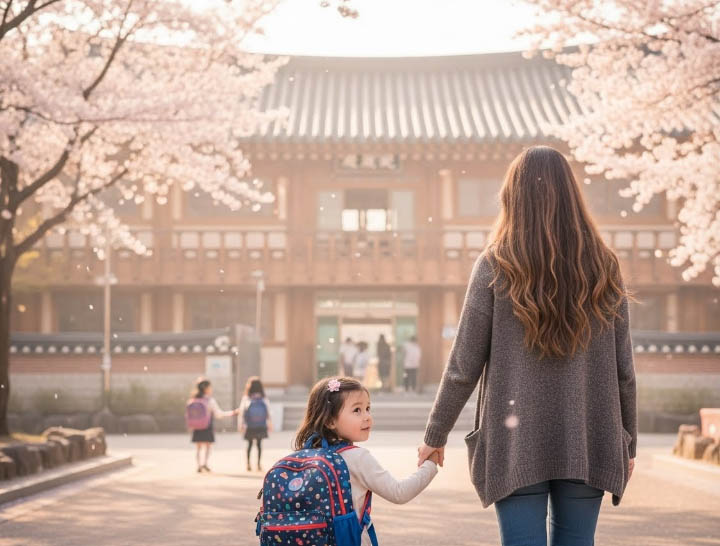
Best Cities in Korea for Raising Multicultural Children
A Local Korean’s Insight into Family-Friendly Places
Raising multicultural children in Korea can be a deeply rewarding journey, but where you live matters. Some cities offer more support, diversity, and opportunities for multicultural families than others. As a Korean woman who has lived in several regions and met families from around the world, I can tell you that geography shapes everyday experiences — from schooling and community support to social attitudes and practical services.
Here’s a comprehensive guide to some of the best cities in Korea for raising multicultural children, based on education, inclusivity, lifestyle, and support infrastructure.
1. Seoul — A Multicultural Hub in the Heart of Korea
Seoul is the obvious first choice for many international families.
Why Seoul Stands Out
- Language support programs in schools
- Multicultural family centers offering counseling and classes
- Large expat community for social connection
- English-friendly services and events
Multicultural children in Seoul grow up with access to international schools, bilingual programs, and cultural festivals. The city’s diversity is unmatched, and many parents find that children adjust quickly because they regularly encounter other international families.
Challenges to Consider
Living costs (especially housing) are high, and the pace can be intense. Still, for multicultural families looking for resources and community, Seoul is tough to beat.
2. Seongnam & Bundang — Family-Focused Suburban Comfort
Just outside Seoul, Seongnam and its upscale district Bundang have become magnets for families.
Family Benefits
- Excellent public school reputation
- Green spaces and parks for children
- Easy access to Seoul cultural institutions
Parents often praise Bundang for its balance of calm suburban life and excellent educational infrastructure. Many international families choose to settle here for the safe neighborhoods and strong school systems.
3. Suwon — A Growing Favorite for Multicultural Families
Suwon, the capital of Gyeonggi Province, is a well-rounded city with a slightly lower cost of living than Seoul and its suburbs.
What Suwon Offers
- Active multicultural family support centers
- Good public education scene
- Family-oriented city vibe
Suwon also boasts historic heritage and parks that enrich children’s daily lives. Fujian, Suwon’s multicultural hub, has grown rapidly and created a friendly environment for families from abroad.
4. Busan — Coastal Living With a Relaxed Vibe
Busan is Korea’s second-largest city and offers something different from Seoul’s fast pace.
Why Busan Works for Families
- Sea-side environment and outdoor activities
- Friendly, welcoming culture
- Affordable housing compared to Seoul
Busan has international communities and a slower rhythm that many parents find ideal for raising children. Schools in Busan increasingly support multicultural education, and social attitudes tend to be warm and inclusive.
5. Gwangju — A Cultural and Educational Center
Gwangju is another strong choice, especially for families that value arts, culture, and history.
Gwangju Assets
- Rich cultural festivals
- Healthy pace of life
- Good public schooling options
Although smaller than Seoul or Busan, Gwangju’s welcoming community and focus on education make it appealing for multicultural families who want strong local support without the urban crush.
6. Jeju Island — Nature, Tourism, and International Exposure
Jeju Island deserves its own mention because of its unique environment.
Why Families Choose Jeju
- International school presence
- Tourism-driven diversity
- Beautiful natural lifestyle for kids
Jeju is especially popular among families who want a balance of outdoor living and global exposure. English classes, foreigner-friendly services, and international festivals give children a broad cultural experience.
7. Daegu — Affordable and Community-Oriented
Daegu is often overlooked, but it offers real advantages for families.
Daegu Highlights
- Lower living costs
- Community-centered schools
- Growing support networks for multicultural families
Daegu may not have as many international services as Seoul or Busan, but its affordability and welcoming locals make it a comfortable city for raising children.
Key Factors to Consider When Choosing a City
Schooling and Language Support
Multicultural children benefit greatly from schools that offer:
- Multicultural support teachers
- Korean language classes tailored to non-native speakers
- International or bilingual programs
Community and Social Networks
Cities with active multicultural family centers and expat communities make integration easier and more enjoyable.
Family Lifestyle
Some families prefer big city amenities, while others value space, nature, or a slower pace.
What Parents Often Ask
Is Seoul always the best choice?
Not necessarily. Seoul has great resources, but cost and lifestyle fit matter more over time.
Do smaller cities offer real support for multicultural kids?
Yes. Support varies by location, and initiatives are growing in many regions.
Is language a barrier everywhere?
In public schools, Korean predominates. But many cities offer language support programs and community groups to help.
A Korean Local’s Honest Recommendation
No city is perfect — but many Korean cities are actively improving how they welcome multicultural families. The key is to think about what matters most for your family: education, cost, community, lifestyle, or cultural exposure.
From my perspective, cities that combine strong school support with active international communities tend to give multicultural children the richest environment for growth and identity.
Final Thoughts
Choosing where to raise multicultural children in Korea is one of the most important decisions you’ll make as a parent. Think about school support, community openness, cost of living, and the kind of childhood you want your children to have.