
Why Visiting Korean Temples is Your Ultimate Chill Pill
Annyeonghaseyo! You’ve seen the palaces, you’ve hit the shopping districts, and you’ve eaten enough Korean BBQ to feed a small army. So, what’s next on the Korean culture checklist?
If you haven’t ventured into the quiet, colorful world of our Buddhist temples, you are missing out on the true heart and soul of this country. Forget the crowded tourist sites for a moment. As your Korean insider, I’m here to tell you what’s good about visiting temples in Korea—and why it’s the best antidote to Seoul’s frantic energy.
1. Ancient Wisdom Meets Instagram Aesthetics
Korean temples (like Bulguksa in Gyeongju or Haedong Yonggungsa on the coast) are more than just historical sites; they are masterclasses in traditional architecture and design.
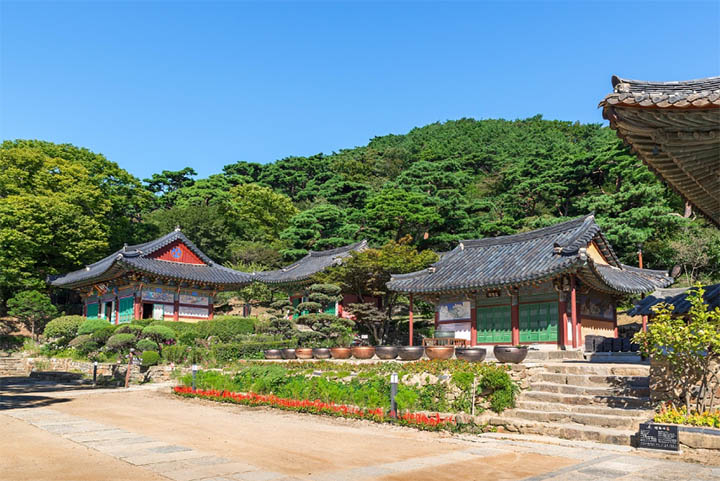
The Dancheong Effect (단청): This is the stunning, complex colored patterning painted on the eaves and beams. It’s breathtaking, visually unique, and literally designed to protect the wood while looking gorgeous. It’s pure eye candy—your photos will be next-level, capturing hundreds of years of artistic detail.
Architecture and Nature: Temples were strategically built into mountainsides, following the natural contours of the landscape. They aren’t imposed on nature; they work with it. Walking through the grounds is a lesson in harmony and a guaranteed mood booster.
2. A Free Pass to Instant Zen
Seoul runs at 100 miles per hour. Korean temples offer the perfect, essential pause button.
The Sound of Stillness: The minute you step off the main road and through the Iljumun (일주문, the one-pillar gate), the atmosphere shifts. The only sounds are the chanting of monks, the gentle striking of the bell, and the wind through the pines.
Temple Stay Programs: Want the full reset? Many major temples offer Temple Stay programs where you can live like a monk for a day or two. You participate in meditation, simple meals, and morning chanting. It’s the ultimate digital detox and a profound cultural immersion opportunity.
3. A Taste of Unspoiled History
While palaces and museums are great, temples offer a more continuous, living history that stretches back over a thousand years.
The Fire Survivor: Many temples have survived invasions and conflicts, meaning the stones, statues, and pagodas you see have witnessed centuries of Korean life. It gives you a much deeper sense of time than staring at a reconstruction.
Mountain Culture: Historically, temples were centers of learning, art, and even martial arts (think the Shaolin influence, but with a Korean twist). You are visiting a place that shaped the spiritual and intellectual life of the nation.
4. The Friendliest Vibe (And Maybe Free Tea)
Unlike some stuffy historical sites, Korean temples often feel incredibly welcoming and open to foreign visitors.
Kindness is Key: Monks and temple staff are often happy to answer questions or guide you, especially if you show genuine curiosity and respect.
The Tea Break: Many temples have small visitor centers where you can enjoy a quiet cup of traditional tea or even a small, vegetarian snack. It’s a wonderful, peaceful way to end your visit.
So, ditch the crowded tourist route for a morning. Seek out a temple, climb those stone steps, and breathe in the stillness. You’ll leave feeling refreshed, enlightened, and with a much deeper appreciation for the beauty and patience of Korean culture.