
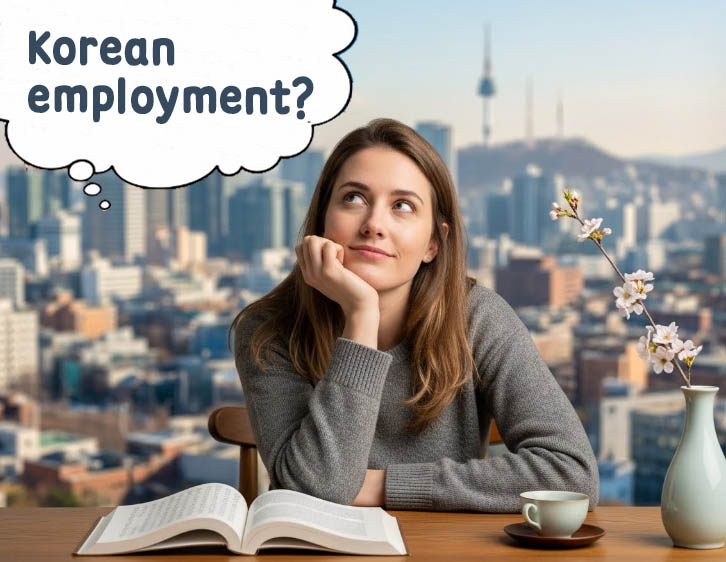
Can Foreigners Work in Korea Without Speaking Korean?
An Honest Local Answer
This is one of the most common questions foreigners ask when they start thinking seriously about working in Korea. And as a Korean local who has met countless expats, students, and professionals over the years, I can tell you this clearly:
Yes, foreigners can work in Korea without speaking Korean.
But no, it is not always easy, and it is not true for every job.
The reality sits somewhere in the middle, and understanding that difference can save you a lot of frustration.
Let’s talk honestly about how this works in real life.
Why This Question Matters So Much
Korea is a highly connected, global country, but it is also very language-centered. Korean is not just a communication tool here; it shapes workplace culture, hierarchy, and daily interactions.
Many foreigners worry that without Korean skills, they will feel isolated or unemployable. That fear is understandable, and it’s also why this question keeps appearing in Google searches year after year.
Jobs in Korea Where Korean Is Not Strictly Required
There are certain fields in Korea where English or other foreign languages are genuinely used as the main working language.
English Teaching
This is the most well-known path. English teachers work in public schools, private academies, and international schools. For these roles, Korean is helpful for daily life, but not required for the job itself.
Global Companies and Multinational Offices
Many global corporations in Korea use English internally, especially in teams dealing with overseas markets, IT, engineering, data analysis, and global marketing. Meetings, reports, and emails may all be in English.
IT, Tech, and Startups
Korea’s startup scene has become more international. Developers, designers, product managers, and data specialists sometimes work entirely in English, especially in companies with foreign founders or global clients.
Research and Academia
Postgraduate researchers, lab assistants, and visiting professors often work in English, particularly in STEM fields.
In these environments, not speaking Korean is usually acceptable, especially at the beginning.
Jobs Where Korean Is Strongly Expected
Now for the other side of the story.
Most traditional Korean workplaces still operate primarily in Korean. This includes:
- Office administration
- Customer service
- Sales roles targeting domestic clients
- Public sector jobs
- Media, law, and local marketing roles
In these jobs, Korean is not just a bonus skill. It is essential. Even if the job posting says “English preferred,” daily communication will almost always be in Korean.
This is where many foreigners feel stuck or confused, especially if they rely only on English-language job boards.
Workplace Reality: English on Paper, Korean in Practice
Here’s something locals know but job listings don’t always show.
Some companies advertise positions in English, conduct interviews in English, and then slowly switch to Korean once work begins. This does not always happen intentionally. It’s simply because Korean employees are most comfortable communicating in their own language.
This doesn’t mean foreigners are unwelcome. It means that English-friendly workplaces still exist inside a Korean-language society.
Foreign employees who adapt best are usually the ones who learn at least basic Korean phrases for meetings, messaging apps, and office etiquette.
Visa Rules Matter More Than Language Skills
Even if a job does not require Korean, your visa must allow you to work.
Some visas are tied to specific job categories, and others offer broader freedom. No matter how fluent your English is, you cannot legally work without proper visa permission.
Many foreigners focus too much on language ability and not enough on visa eligibility. In Korea, immigration rules will always come first.
Daily Life vs Work Life Without Korean
You might manage your job entirely in English, but daily life is a different story.
Simple things like:
- Visiting clinics
- Handling bank issues
- Reading official notices
- Talking to landlords or repair workers
often require Korean. While Seoul is more English-friendly than before, relying on English alone can become exhausting over time.
This is why many long-term expats say learning Korean wasn’t necessary for survival, but it was necessary for comfort.
Does Learning Korean Actually Help Your Career?
Absolutely.
Foreigners who learn even intermediate Korean often see:
- More job opportunities
- Faster workplace integration
- Better relationships with coworkers
- Greater chances of promotion or contract renewal
From a Korean perspective, effort matters. Even imperfect Korean is usually appreciated more than silence.
You don’t need to sound like a native speaker. You just need to show that you’re trying.
So, Can You Work in Korea Without Korean?
Here is the most realistic answer.
Yes, you can work in Korea without speaking Korean, especially in education, tech, research, and global business roles. Many foreigners do exactly that.
But if you want long-term stability, career growth, and a more comfortable life, learning Korean will eventually become one of your strongest tools.
Korea rewards adaptability. Language is part of that.
Final Thoughts from a Korean Local
If you are planning to work in Korea, don’t let fear of the language stop you from trying. At the same time, don’t assume English alone will carry you forever.
Start where you are. Take the job you can. Learn the language gradually. That combination works far better than perfection.
Korea is changing, but it is still Korea. Understanding that balance will help you succeed here.