
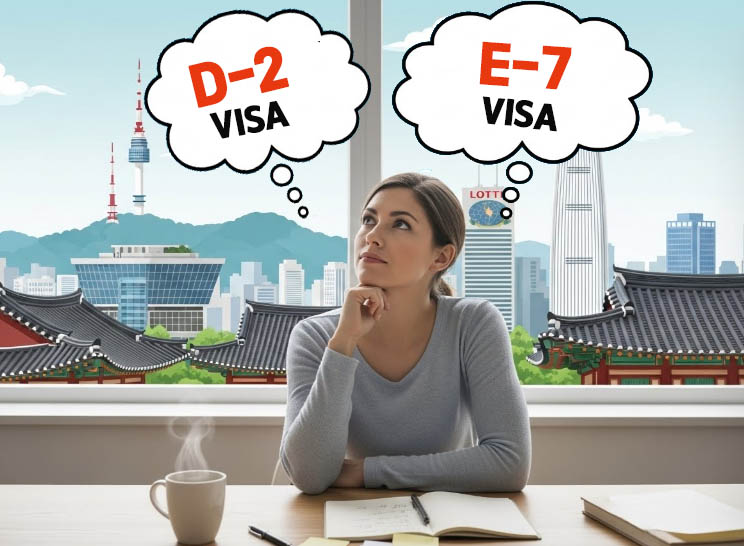
Can You Change Your Student Visa to a Work Visa in Korea?
What You Really Need to Know
This is one of the most common questions foreigners ask once they start studying in Korea. You arrive on a student visa, fall in love with life here, and then reality hits. Can I actually stay and work in Korea after graduation?
The short answer is yes, it is possible. The longer answer is that it depends on your degree, your job offer, and how well you understand the system. As a Korean local who has seen many international students go through this process, I want to explain it clearly and honestly, without unnecessary jargon.
Understanding the Student Visa Situation First
Most international students in Korea hold a D2 student visa. This visa allows you to study full time and work limited part-time hours during the semester, as long as you have permission.
What the D2 does not allow is full-time professional employment. That is where the work visa comes in. To stay in Korea legally after graduation, you must change your visa status before your student visa expires.
Timing matters more than many students realize.
Yes, You Can Change Your Student Visa to a Work Visa
Korea allows in-country visa changes. That means you do not need to leave Korea to apply, as long as you meet the requirements. This is a big advantage compared to some other countries.
The most common work visas former students aim for include professional employment visas, job-seeking visas, and in some cases teaching or specialized skill visas.
The key requirement is a legitimate job offer from a Korean employer willing to sponsor you.
Your Degree and Major Matter More Than You Think
Korean immigration looks closely at the connection between your degree and your job.
If you studied business, engineering, IT, design, or science, your chances are generally stronger, especially if the job directly relates to your field of study.
If your degree and job are unrelated, approval becomes more difficult. Immigration wants to see that you are using your academic background in a professional role that benefits the Korean economy.
This is one of the biggest reasons some applications get rejected.
The Role of the Employer
Your employer is not just offering you a job. They are also proving to immigration that you are necessary.
The company usually must show:
- A stable business status
- A role that requires foreign talent or language skills
- A salary that meets the minimum requirements
Larger companies and global firms are generally more familiar with visa sponsorship, but small startups can sponsor visas too if they meet the criteria.
From a Korean perspective, employers value students who already understand Korean work culture and communication norms.
Salary Expectations and Reality
There is often a minimum salary requirement tied to work visas. This means unpaid internships or very low-pay positions usually do not qualify for visa changes.
Many students are surprised by this. Even if a job feels like a great opportunity, immigration focuses on financial stability and professionalism.
This is why planning early matters. Waiting until graduation to think about visas is one of the most common mistakes.
Job-Seeking Visa as a Stepping Stone
If you are graduating but have not secured a job yet, Korea offers a job-seeking visa option. This allows you to stay in Korea legally while searching for work.
This visa is popular among students who need more time to network, attend interviews, or improve their Korean skills. It does not guarantee a future work visa, but it gives you breathing room.
From a local perspective, this is one of the smartest paths if you are serious about staying long-term.
Korean Language Skills Make a Real Difference
While some jobs operate in English, Korean language ability significantly improves your chances. Employers feel more confident hiring foreigners who can communicate internally and adapt to office culture.
Even basic business Korean can set you apart from other candidates. Many Korean men and women in hiring roles see language effort as a sign of commitment, not perfection.
This cultural detail matters more than job listings often suggest.
The Paperwork Is Real, but Manageable
The visa change process involves documents from both you and your employer. This usually includes:
- Graduation certificate or expected graduation proof
- Employment contract
- Company registration documents
- Proof of residence
It can feel overwhelming, but many universities and local immigration offices offer guidance. Compared to other countries, Korea’s system is structured and predictable once you understand it.
What Students Often Get Wrong
Here are common misunderstandings:
- Thinking any job qualifies for a work visa
- Waiting too long before applying
- Assuming English ability alone is enough
- Accepting informal job offers without visa sponsorship
From a Korean perspective, the system rewards preparation and seriousness. Those who plan ahead usually succeed.
Final Thoughts: Yes, But Plan Early
So, can you change your student visa to a work visa in Korea? Yes, many people do. But success depends on preparation, realistic expectations, and understanding how Korean immigration views foreign workers.
If you study strategically, build experience during your studies, improve your Korean skills, and network early, your chances improve significantly.
Korea welcomes global talent, but it expects commitment in return. If you show that, the system can work in your favor.