Challenges and Strengths of Multicultural Families in South Korea: A Local Perspective
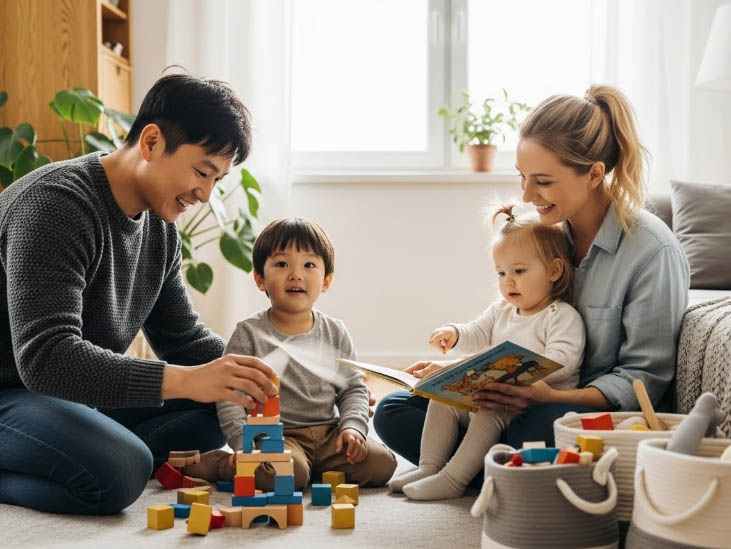
South Korea is changing. Once known for cultural homogeneity, Korea now has thousands of families where different languages, upbringings, and worldviews meet under one roof. These multicultural families are often seen as symbols of modern Korea’s evolving identity, but behind that symbolic image lies a blend of real daily struggles and genuine strengths.
As a Korean woman living here, I see these families at school gates, community centers, local markets, and public events. Their experiences are not monolithic, but there are clear patterns worth understanding — especially if you want an authentic look at life beyond stereotypes.
Let’s explore both the challenges and the strengths that shape multicultural families in South Korea today.
Language Barriers: The First Hurdle
One of the most common challenges is language.
For families where one parent is a non-native Korean speaker, communication often becomes a practical and emotional tension point. Children pick up Korean quickly through school and friends, but parents may struggle with administrative tasks, community engagement, or simple conversations with teachers.
Even when families speak Korean at home, nuances, slang, and formal language used in schools or public documents can create gaps in understanding. This isn’t just about vocabulary — it’s about access, confidence, and feeling truly included.
Education Pressures and School Integration
Korea’s education system is rigorous — everyone knows that. For multicultural children, school isn’t just a place to learn academics; it’s a daily arena of social negotiation.
Many schools now offer Korean language support programs, but the quality varies by region and teacher experience. Some children thrive, becoming bilingual naturally. Others struggle with identity and peer relationships, especially if they speak a different language at home.
Parent engagement in schools can also be harder when language or cultural norms differ. Parent-teacher meetings, school notices, and volunteer expectations can make even well-intentioned parents feel like outsiders.
Social Perceptions: Acceptance and Misunderstandings
Attitudes toward multicultural families in Korea are shifting, but old stereotypes still linger in some communities.
Older generations, especially in rural areas, may view multicultural families with curiosity — or sometimes unease. Meanwhile, younger Koreans tend to be more open and accepting. Still, micro-aggressions and well-meaning but insensitive questions can make a family feel othered.
It’s not malicious; it’s cultural unfamiliarity. But for families living it, these moments accumulate and shape the emotional landscape of daily life.
Legal and Administrative Complexities
Multicultural families often navigate a maze of legal requirements: visas, residency status, health insurance access, and educational rights. For one parent, the transition from student visa to work visa or from marriage visa to permanent residency can be stressful and bureaucratic.
Even simple tasks like registering for services, understanding tax regulations, or accessing healthcare can feel overwhelming without strong Korean language skills or local guidance.
Strength: Cultural Agility and Linguistic Flexibility
Despite challenges, multicultural families often develop remarkable strengths — starting with cultural agility.
Children grow up navigating at least two languages and two cultural frameworks. This is not a deficit; it’s a lifelong advantage. These children become natural bridges between worlds — able to translate not just words, but cultural context.
Parents, too, gain intercultural communication skills that many locals never develop.
Strength: Community Networks That Support Each Other
Multicultural support centers, expat groups, and bilingual parent networks play a huge role in creating community. These networks often function as informal support systems where families share advice, celebrate traditions, and advocate for better policies.
In many cases, these networks blossom into friendships, small businesses, or community projects that enrich Korean society as a whole.
Strength: Empathy and Global Perspective
One of the most beautiful outcomes of multicultural family life is empathy. Growing up with more than one culture fosters open-mindedness and emotional intelligence.
These children and parents see life from multiple angles — understanding Korea but also seeing global contexts as familiar. This isn’t abstract “worldliness” — it’s everyday empathy rooted in lived experience.
Strength: Enriching Korean Cultural Identity
Multicultural families are actively reshaping what it means to be Korean in the 21st century. Korean society is slowly broadening its cultural definition to include diverse family structures, global customs, and blended identities.
Festivals, school events, and community gatherings increasingly reflect this diversity, making multicultural experience a visible part of Korea’s cultural tapestry.
Balancing Two Worlds: A Daily Reality
In many ways, life for a multicultural family is a constant balancing act — honoring traditions from both sides, supporting children’s dual identities, and navigating social expectations in Korea.
But balance does not mean tension alone. It also means resilience, blended traditions, and the creative harmony that emerges when different perspectives coexist.
Looking Ahead: A Future Built on Blended Identities
The future for multicultural families in Korea is one of growth and gradual acceptance. As younger generations lead social change, multicultural experiences are becoming more visible, more normalized, and more celebrated.
Challenges remain real and should not be minimized. But the strengths these families bring — linguistic agility, cultural empathy, and community building — are powerful forces shaping Korea’s future.
Multicultural families are not peripheral anymore. They are part of the living, breathing story of modern Korea.