
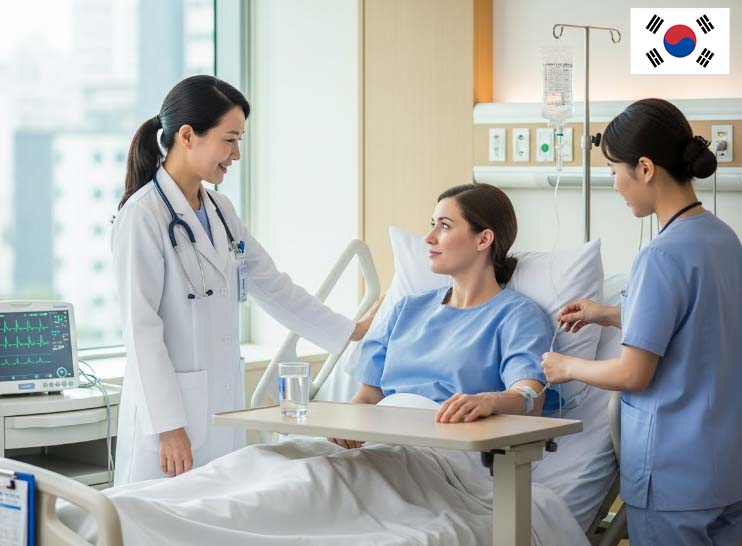
Comparing Healthcare in Korea vs Western Countries
Why This Comparison Matters
When people think about moving overseas or just spending extended time abroad, one of the first big concerns is healthcare. Will I get good treatment? Is it affordable? How easy is it to see a doctor? These questions are universal.
Korea’s healthcare system often surprises Westerners — not just because of cost or efficiency, but because it feels different in ways that are deeply cultural as well as practical. As someone living here and hearing firsthand from friends and readers from Europe, North America, and Oceania, I want to give you a balanced, on-the-ground comparison of healthcare in Korea vs Western countries.
How Healthcare Is Funded: Universal Coverage Versus Private Systems
Korea: Almost everyone is part of the National Health Insurance (NHI). It’s a universal system with mandatory enrollment for residents. Both employees and employers contribute, and even long-term residents with student or temporary visas usually join.
The key in Korea is shared responsibility. You pay, and so does your employer (if you’re employed), and the government subsidizes a large portion of costs. This means basic care, emergency services, and many procedures are heavily subsidized.
Western Countries: It varies a lot. Some nations, like the UK, have state-funded universal systems (e.g., NHS) where care is free at the point of use. Others — notably the United States — rely heavily on private insurance. In the U.S., if you’re uninsured or underinsured, even a simple hospital visit can lead to sticker shock.
This fundamental difference shapes everything that follows: cost, access, paperwork, and even the emotional sense of security.
Cost of Care: Predictability vs. Potential Surprises
In Korea, most residents describe medical costs as predictable and affordable. After your NHI coverage, co-pays are reasonable. For a standard clinic visit, you’re rarely in for a shock. Even more complicated procedures are subsidized in a way that keeps out-of-pocket portions manageable.
For many Western visitors, that’s a stark contrast. In countries with private insurance, costs can be unpredictable:
- In the U.S., many people avoid care because of potential bills.
- In Australia or Canada, public systems cover a lot, but waits can be long.
- In the UK, the NHS is free, but specialized care may have delays.
Korea strikes a balance: you pay something, but you know what to expect, and the fees rarely feel punitive.
Speed and Accessibility: Time Is Valuable
One thing that surprises many foreigners is how quickly you can see a doctor in Korea. Walk-in clinics, same-day appointments, and rapid triage are normal in many cities.
In Western systems, the picture varies:
- In the U.S., you might wait days for a non-emergency appointment.
- In the UK, GP wait times can be long, especially for specialists.
- In Canada, wait times for certain diagnostics or specialty care can stretch weeks or months.
In Korea, many people compare the experience to a blend of efficiency and respect for your time. Hospitals and clinics often have clear signage, streamlined check-ins, and, in many urban areas, even online appointment systems.
Language and Cultural Experience
Korea: Korean is the primary language of healthcare, but many larger clinics and hospitals in Seoul, Busan, and other big cities provide English support, bilingual paperwork, and even interpreters on request. Even when language support isn’t perfect, medical professionals here tend to fill gaps with patience and effort — not brusque dismissal.
In Western countries, healthcare is typically in English (or the local language), which removes the language barrier but introduces another: regional dialects and medical terminology can still confuse non-native speakers.
Foreigners living here often say that even if communication isn’t perfect in Korea, the willingness to help bridges a lot of gaps.
Quality of Care: Technology and Professionalism
Korea is known for excellent diagnostic technology, short waiting times for tests like MRIs or CT scans, and well-trained professionals across specialties. Many Western visitors compare Korea’s facilities favorably with those at home, especially for:
- Preventive care
- Routine checkups
- Women’s health services
- Dental and ophthalmic care
In Western countries:
- High quality is often tied to higher cost or insurance tier (especially in the U.S.)
- Public systems may lead to longer waits for advanced diagnostics
- Smaller towns can lack specialists
Korea’s system tends to feel efficient and scalable, though it’s not perfect everywhere — smaller rural areas may have fewer specialists than major cities.
Emergency Care: Quick and Reliable
In Korea, emergency rooms are widely available, and while they are not free, they are subsidized significantly under the NHI. You’ll get treatment promptly, and the process tends to be organized.
In Western systems:
- In the NHS (UK) or Medicare/Medicaid (Canada), emergency care is free or covered, but waits can vary.
- In the U.S., emergency care is charged at premium rates unless you have strong insurance.
Many foreigners report that Korea’s emergency experience feels more predictable and less financially frightening than some Western systems.
Preventive Care and Regular Checkups
Korean culture emphasizes preventive care — regular checkups, screenings at certain ages, and early interventions are built into the system. The NHIS often subsidizes these services or provides incentives.
This is easier to access here than in many Western systems because:
- Costs are lower
- Clinics are abundant
- Reminders and follow-ups are common
In some Western countries, preventive care depends on your insurance plan or GP availability, which can make scheduling and cost more variable.
Personal Experience Matters
At the end of the day, healthcare isn’t just about policy — it’s about how you feel when you need help. Many foreigners describe their first clinic visit in Korea as:
- Affordable
- Clear
- Efficient
- Respectful
- Less stressful than expected
Even those who come with some anxiety find themselves pleasantly surprised by the process and support.
Conclusion: No Perfect System, But Strong Elements in Korea
Comparing healthcare systems isn’t about declaring a winner — it’s about understanding strengths and differences.
Korea shines in:
- Predictable costs
- Accessibility
- Efficiency
- Preventive care
- Modern technology
Western systems shine in:
- Lingual comfort for native speakers
- Universal coverage without contributions in some countries
- Long-standing public service frameworks
But what many foreigners note again and again is that Korea’s healthcare system feels human — not just mechanical. It’s fast, affordable, and designed around people’s real-world experiences, not just policy theory.
From a local perspective, healthcare here reflects core cultural values: respect, diligence, and attentive support — qualities that make all the difference when you’re far from home.
Is Autumn in Korea Better Than Spring? (Осень в Корее лучше, чем весна?)