
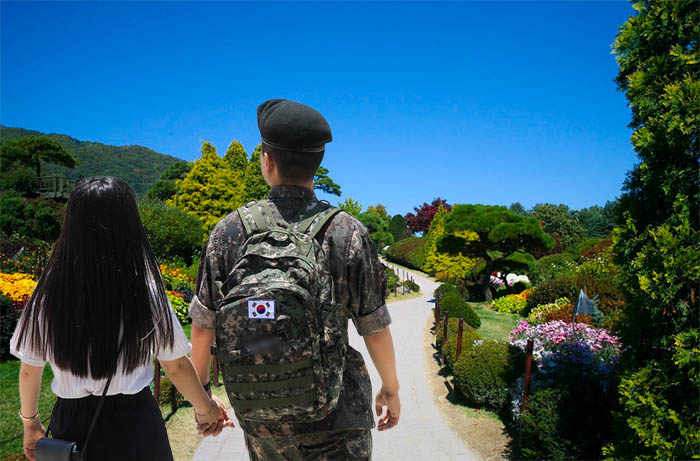
Do Korean Men Keep in Touch During Military Service?
If you’re dating or in a relationship with a Korean man, one question that often comes up is: “What happens when he goes into the military?” Korea’s mandatory military service is a unique part of life here — almost every able-bodied man must serve around two years — and it’s normal to wonder how that affects communication, emotional bonds, and everyday life together.
As a Korean woman who lives here and has observed friends, partners, and families navigate this period, let me explain what typically happens, what you can realistically expect, and how communication really works during service.
Why Military Service Affects Communication
First, it helps to understand the context. Military service in Korea is compulsory for men aged roughly 18 to their late 20s, and the training and duties can be physically and mentally demanding. During basic training and early service, hours are long, schedules are strict, and access to phones can be limited. This naturally impacts how often someone can stay in touch.
That said, yes — many Korean men do keep in touch during military service, but the style, frequency, and method of communication change compared to civilian life.
Communication in Early Training vs. Later Service
The first few weeks of basic training are usually the toughest. During this time, recruits focus on physical and military routines, and phone access is often very restricted. Many units allow only limited weekly or bi-weekly phone or video calls, and sometimes only letters or official communication windows.
Once training ends and they move into regular duty, communication generally becomes more predictable — but still different from civilian patterns. Your partner may be able to text in the morning before duty, during breaks, or in the evening after lights out.
This isn’t personal distance — it’s a structured schedule.
Common Ways Korean Soldiers Communicate
Most Korean soldiers use these methods while in service:
Letters — A classic, thoughtful method that many Korean partners enjoy. Handwritten letters feel personal and meaningful, and soldiers often keep them as emotional support.
Text Messaging — Apps like KakaoTalk are common, but data usage might be limited depending on the unit.
Scheduled Calls — Video or voice calls during free hours or scheduled communication times.
Phone Access in Free Time — Soldiers often make quick calls during breaks or weekends.
Expectation adjustment is key: communication won’t happen as spontaneously as it does in civilian life, but consistent effort still shows care.
What Korean Partners Often Prioritize
Korean men who care about their partners typically prioritize consistency over frequency. You won’t get casual messages throughout the day, but you might get:
A morning check-in before duty
A short message after evening lights out
Letters or screenshots of simple messages shared during breaks
Many Korean partners use phrases like “I’m thinking about you today” or “I will write later” even when phone time is short.
Managing Expectations Together
This might be the most important part of the whole topic: communication during service works best when both people set expectations together. Before enlistment, talking about:
How often you’ll try to connect
Preferred communication methods (text, letter, call)
How to handle periods of no contact
…can make silent stretches feel less emotional and more structural.
Mutual understanding — rather than frustration — becomes the backbone of staying close.
Maintaining Emotional Connection
Beyond messages, couples often use these strategies:
Sharing photos or playlists to stay emotionally close
Sending letters with personal thoughts, jokes, or daily life pics
Setting mini goals like “we’ll watch this drama when I come back”
These small rituals create a sense of togetherness even when the schedule is tough.
Common Misunderstandings and How to Avoid Them
A lot of misunderstandings stem from timing and cultural expectations:
Assuming silence means distance
Expecting long messages daily
Taking delayed replies personally
Understanding that military schedules are rigid helps you separate the person from the environment. Most Korean soldiers care deeply about their relationships, even if they can’t respond immediately.
How Foreign Partners Feel and What Helps
International partners sometimes struggle more because they don’t experience Korean military culture firsthand. What helps is:
Patience and curiosity instead of worry
Asking questions like “How’s your schedule? What’s your free time like?”
Sharing your own daily life (photos, small updates)
This invites connection without emotional pressure.
Reintegrating After Service
When your partner completes service, the communication shift can feel like adjusting to a new rhythm. Suddenly, there’s more availability, more time for deep conversations, and opportunities to revisit shared plans.
Many couples look back and say that while the service period was challenging, it also built emotional depth and mutual respect.
Final Thoughts From a Local Perspective
Yes, Korean men often stay in touch during military service — it just doesn’t look the same as everyday civilian communication. The key is consistency, not frequency, intent, not length of message, and mutual understanding, not assumption.
I’ll Tell You About the Support Fund for Postpartum Care Centers in Korea