
Korea’s History Really Is 5,000 Years Old
You know Korea for its stunning K-Pop, its hyper-modern cities, and its incredible technology. But here’s a fact that often shocks newcomers: South Korea’s recorded history isn’t just a few centuries long—it claims a cultural and historical heritage stretching back over 5,000 years.
That’s older than the Roman Empire!
As a local, I can tell you that this deep, layered history is the fundamental bedrock upon which the modern, dynamic Korea you see today was built. Understanding this longevity is key to appreciating everything from our language to our fierce national pride.
The Timeline Shock: From Myth to Monarchy
The concept of “5,000 years of history” refers to the timeline that began with Korea’s mythical founding.
1. The Mythical Start: Gojoseon and Dangun
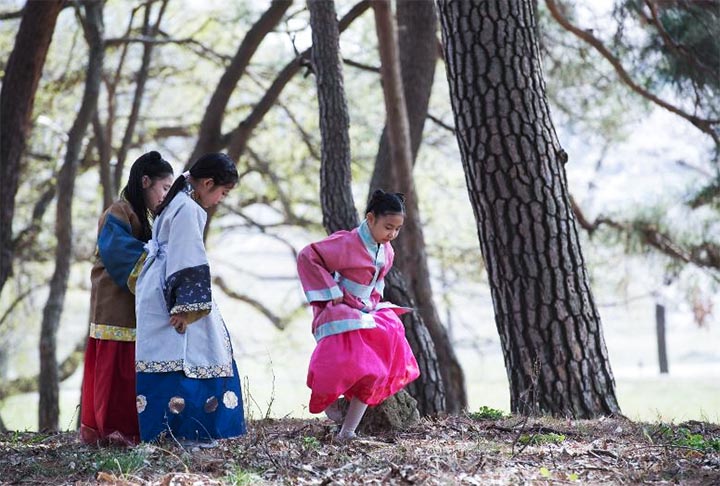
The timeline officially begins around 2333 BC with the founding of Gojoseon (고조선), the first legendary kingdom of Korea. This founding is attributed to Dangun Wanggeom, a mythical figure born from a bear and a god, who established the first Korean nation. This narrative, celebrated every year on National Foundation Day (Gaecheonjeol), symbolizes the birth of the Korean people and their distinct identity.
2. The Early Kingdoms (The Real History)
Following Gojoseon came the tumultuous, incredibly rich period of the Three Kingdoms (고구려, 백제, 신라) starting around 57 BC. These kingdoms—Goguryeo, Baekje, and Silla—spent centuries vying for control, developing sophisticated art, architecture, and political systems.
The Result: The Silla Kingdom eventually unified the peninsula in 668 AD, establishing a single national entity that would persist through the Goryeo and Joseon dynasties. This unified history is the core of modern Korean identity.
What Does 5,000 Years of History Mean Today?
The sheer length of Korea’s history isn’t just a number; it dictates cultural pride, aesthetic appreciation, and national spirit.
3. The Resilience Factor
This long history is packed with invasions, challenges, and incredible resilience (the Han spirit). It fosters a strong collective sense of national identity and a deep pride in overcoming adversity—a trait that still defines the Korean work ethic and commitment to success (Gong-bu).
4. The Cultural Layers
The art, architecture, and social rules you see today are not modern inventions.
Architecture: The principles of the Joseon palaces and the beauty of the Hanok (traditional house) are built on centuries of accumulated wisdom.
Etiquette: The intense focus on hierarchy, respect, and politeness is directly rooted in the Confucian social structure refined over the Joseon Dynasty.
Your History Pilgrimage
You can visually experience this history
- 2,000 Years Ago: Visit the grass-covered royal tombs of Silla in Gyeongju, the “Time Capsule City.”
- 500 Years Ago: Walk the beautiful, preserved Joseon Palaces in Seoul (Gyeongbokgung, Changdeokgung).
- Modern Era: See the technology and efficiency of modern Seoul, which is built on the foundation of the national drive inherited from this long, intense history.
Next time you see a Korean film or a modern building, remember the 5,000-year story unfolding beneath your feet. It’s a profound cultural experience!