
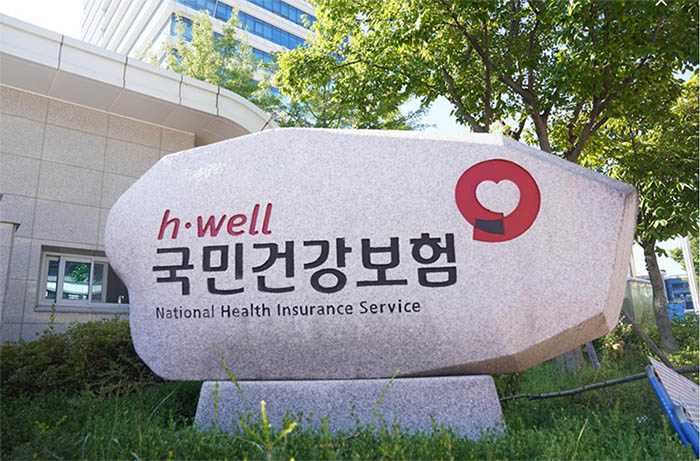
Do You Need Health Insurance to Work in Korea?
What Expats Should Know
When you’re planning to live and work in another country, questions about health care come up fast. “Do I need health insurance to work in Korea?” is one of the first things many foreigners ask. It’s sensible — health costs can be hefty anywhere, and understanding the system before you arrive makes life here smoother.
As someone who lives in Korea and sees how the healthcare system works from both local and foreigner perspectives, I’ll walk you through this step by step so you can understand the expectations, requirements, and benefits without confusion.
Yes — Health Insurance Isn’t Just Recommended, It’s Required
If you are legally employed in Korea, you are required by law to be enrolled in health insurance. Korea’s public healthcare system is built around a mandatory insurance model. That means if you work here legally — with a proper work visa — you will be automatically enrolled in the Korean National Health Insurance (NHI) system.
This requirement isn’t a suggestion — it’s part of the legal framework of employment and residence in Korea.
What Is Korean National Health Insurance (NHI)?
The Korean National Health Insurance is a universal health coverage system that spans almost everyone living and working in Korea. It’s not charity, and it’s not something you apply for privately — it’s a government-managed public program.
Under NHI, you pay a monthly premium based on your income, and in return you receive significantly subsidized medical care. This includes:
- Doctor visits
- Hospital stays
- Prescriptions
- Dental care (partial)
- Preventive services
Private insurance exists too, but NHI is the foundation of healthcare in Korea.
How Enrollment Works When You Start Working
If you are employed by a Korean company, enrollment in NHI is automatic. Here’s how it works in practice:
- Your employer registers you with the National Health Insurance Service.
- Monthly contributions are split between you and your employer.
- Your health coverage begins, usually effective from your first official salary month.
This is very different from systems where you must opt in manually. In Korea, the paperwork is mostly done for you by your employer.
What If You’re Freelancing or Working for Yourself?
Self-employment and freelancing are possible in Korea, but they make insurance a bit more complicated. People who operate as contractors, freelancers, or independent business owners must register themselves with the National Health Insurance Service and pay both the employer and employee portions of the premium.
This means a higher contribution — but you still get access to the same public healthcare benefits.
Immigration checks can also look at your insurance status, especially if you’re on a visa that requires financial stability.
Why It Matters: Costs Without Insurance Are Real
Health care in Korea is affordable compared to many countries, especially the United States, but without insurance your out-of-pocket costs can still be high.
Imagine needing a specialist visit, a minor surgery, or an unexpected emergency room visit without coverage — even in Korea, medical bills can add up.
This is why the health insurance requirement isn’t just bureaucratic red tape. It’s financial protection.
What Does It Cost?
Your monthly NHI premium depends on your income. The idea is simple:
- If you earn more, you pay more.
- If you earn less, you pay less.
Your employer shares part of the cost, which reduces the burden. Usually, employees see around half the premium covered by the company and the rest deducted from their paycheck.
This structure helps make high-quality health care accessible and sustainable.
Does NHI Cover Your Family?
If you bring dependents — like a spouse or children — you may be able to enroll them in the family insurance plan. This often means a small additional premium but ensures your whole family has access to covered medical services.
Keep in mind that dependent coverage rules vary slightly based on visa status and income, so it’s worth checking the specifics if you plan to bring family with you.
What About Private Health Insurance?
Some expats supplement NHI with private health insurance, especially for:
- English-speaking service support
- Hospital rooms upgrades
- Specialized treatments not fully covered by NHI
Private insurance is optional and works alongside the national system. Many people keep it for extra peace of mind, but it does not replace NHI.
Common Misunderstandings — Let’s Clear Them Up
A few points that foreigners often get wrong:
- You don’t need to apply for NHI yourself if you’re employed — your employer handles it.
- NHI isn’t free, but it’s subsidized and tied to income.
- Student visas don’t automatically grant coverage, but students can enroll voluntarily or through family plans.
- You can’t opt out of NHI if you are legally working — it’s part of the employment system.
Understanding these nuances prevents surprises later.
Final Thought — Health Insurance Is Part of Being a Responsible Resident
Health insurance isn’t just a requirement — it’s peace of mind. Korea’s system is designed to protect workers and families, and most expats find that once they understand how it works, they feel more secure living here.
If you plan to work in Korea, expect to be part of the National Health Insurance system. It’s not optional, it’s practical, and it’s one of the reasons many people feel safe living in Korea long-term.
The system isn’t perfect — no system is — but it works, and it works well for residents once you know how to navigate it.