Education Support Programs for Multicultural Children in Korea
South Korea’s education system has changed a lot over the past decade. Long seen as uniform and rigorous, it is now gradually transforming to serve a more diverse student population. One of the biggest shifts has been in education support for multicultural children — students whose families come from outside Korea or who grow up navigating multiple cultural identities.
As someone who lives in Korea and knows many multicultural families, I’ve seen firsthand how these support programs make a difference. If you’re raising a multicultural child here or thinking about schooling in Korea, here’s what you need to know.
Why Education Support Matters for Multicultural Children
Multicultural families bring richness to Korean classrooms, but this also presents challenges. Students whose first language isn’t Korean may arrive with strong linguistic and cultural assets — and earnest eagerness to learn — yet find themselves overwhelmed by language barriers and curriculum expectations.
Korean schools recognize that effective education isn’t just about teaching subjects. It’s about ensuring students can access content, feel confident, and belong. That’s why education support programs for multicultural children exist — to bridge gaps, build confidence, and help every child thrive.
1. Korean Language Support Classes
The most common and essential program is Korean language support. Most schools offer additional Korean lessons tailored to multicultural students who struggle with everyday classroom language.
These classes are not remedial in the negative sense. Instead, they are designed to help students feel included — to understand instructions, participate in group work, and read textbooks without falling behind.
Teachers often assess language levels early in the school year and place students into appropriate groups. Progress is reviewed regularly, and many students catch up faster than parents expect once they feel understood and supported.
2. Multicultural Education Specialists and Counselling
Many schools now have multicultural education coordinators or specialist teachers trained to support students from diverse backgrounds.
These educators help with:
- Navigating school culture and expectations
- Providing emotional support and conflict resolution
- Acting as a bridge between Korean teachers and multicultural families
In some cases, counselors work with students one-on-one to build social confidence and address stress related to adjusting in class.
3. After-School Learning Assistance
Some schools offer after-school programs that help students with homework, Korean reading and writing, and group interaction skills.
These sessions are especially helpful for multicultural children who benefit from additional practice in smaller groups. They also provide safe spaces for students to ask questions they might hesitate to ask in a full classroom.
4. Buddy Systems and Peer Support Programs
Another practical support method is pairing multicultural students with peer buddies. These buddies — often chosen by teachers — help children navigate school routines, language nuances, and social norms.
This kind of support encourages friendship while aiding language and social adjustment. Children tend to feel more comfortable when learning is also a social experience.
5. Parent Education and Multicultural Workshops
Support isn’t limited to children. Many schools and community centers host workshops for parents of multicultural children.
Topics include:
- How the Korean education system works
- Understanding report cards and teacher communication
- Supporting homework and school projects from home
These sessions empower parents to partner with teachers and help their children succeed.
6. Community Multicultural Centers
Outside of schools, many cities and regions operate multicultural centers that offer educational programs — often at low or no cost. These might include:
- Korean language classes for families
- Cultural exchange events
- Homework help sessions
- Legal and social support services
These centers become community anchors where families meet, share experiences, and build networks.
7. Multicultural Student Clubs and Events
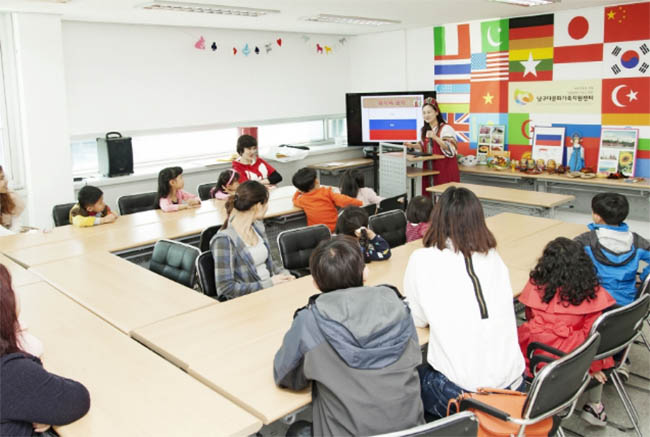
Schools increasingly offer multicultural clubs and events that celebrate diverse backgrounds. These can include international food days, cultural presentations, and language exchange meetups.
These activities affirm identity — not just as someone adjusting to Korean culture, but as someone with valuable cultural heritage to share.
How Schools Are Becoming More Inclusive
Korean schools are not perfect, and change takes time. But the direction is clear: education is becoming more inclusive, more flexible, and more attentive to cultural differences.
Teachers and administrators are learning too. They attend training sessions, share best practices, and revise curricula to support multicultural students.
Participation and communication are key. Schools often encourage parents to share concerns, attend meetings, and work as partners — not just observers.
Common Parent Questions and Practical Advice
Here are a few questions I hear often, along with practical insights:
“Will my child fall behind academically?”
Many multicultural students thrive once language barriers decrease. Early support makes a huge difference.
“How do I communicate with teachers?”
Request interpretation support if needed. Many schools will help with translators or bilingual staff.
“How do peers react?”
Curiosity first, acceptance later. Schools encourage inclusive activities that deepen mutual understanding.
Final Thought
Raising a child in a multicultural family in Korea is not a solo journey. There are real education support systems in place — from language classes to peer buddies — designed to help students belong, succeed academically, and grow socially.
Parents who engage with these programs early and consistently often see their children flourish not just academically, but emotionally and socially. Korea’s classrooms are evolving, and multicultural students are leading that change — quietly, confidently, and powerfully.
Fountain of Youth, Korean Style: Your Beginner K-Beauty Anti-Aging Routine