
Best K-Dramas Based on Shocking True Stories
You know K-Dramas are experts at creating heart-stopping suspense and tear-jerking romance. But sometimes, the most gripping plots aren’t dreamed up in a writer’s room—they are ripped straight from Korea’s tumultuous, often dark, history.
As a local, I can tell you that when a K-Drama announces it’s based on a true story, the entire nation stops to watch. These shows tap into real societal wounds, political upheavals, and shocking crimes that resonated deeply with the public.
If you want K-Dramas with a dose of authentic Korean history and heavy emotional impact, here are the absolute best dramas based on or inspired by true, real-life events. Get ready to do some extra Googling after your binge!
Tier 1: Crime & Justice (The Shocking Truth)
These dramas tackle famous, often horrifying, criminal cases that pushed for social change and highlighted police shortcomings.
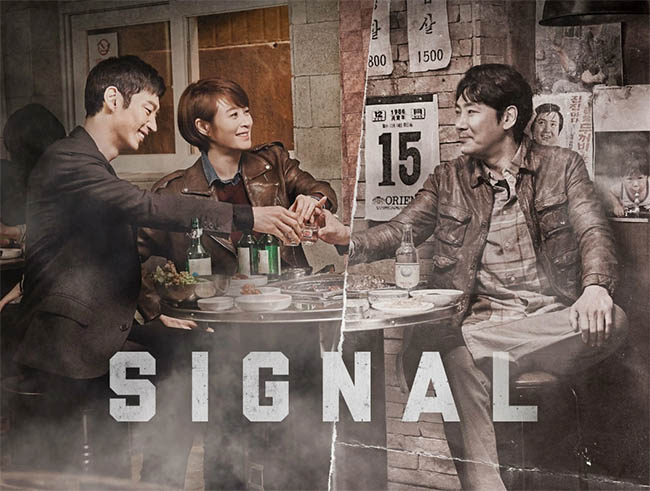
1. Signal (2016)
The Hook: A cold-case profiler communicates with a detective from the past via a walkie-talkie to solve long-unresolved crimes.
The True Story Inspiration: While the walkie-talkie is fictional, the crimes are very real. The show famously incorporates elements from the Hwaseong Serial Murders (a string of unsolved cases from 1986 to 1991, which were also the subject of the movie Memories of Murder). Signal gave a voice to the victims and fueled public interest in justice for these historical failures.

2. Taxi Driver (2021-Present)
The Hook: A secret taxi company (Rainbow Deluxe Taxi) takes revenge on behalf of victims failed by the legal system.
The True Story Inspiration: This drama’s strength is its format: each mini-arc is inspired by a different, recent real-life scandal or crime that angered the Korean public. Cases include the Nth Room digital sex crimes, the infamous Cho Doo-soon sexual assault case, and shocking abuse at factories/schools. It functions as vigilante catharsis for the nation.
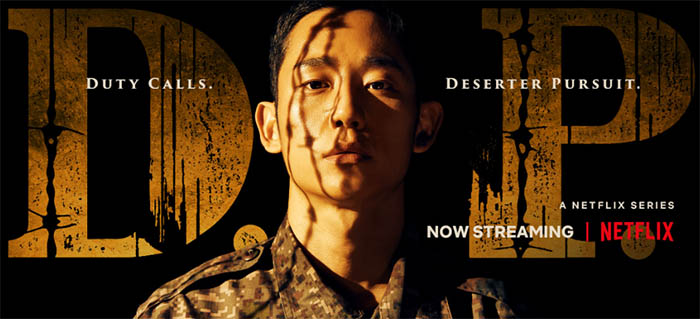
3. D.P. (Deserter Pursuit) (2021)
The Hook: Two young soldiers are assigned to a unit tasked with hunting down military deserters.
The True Story Inspiration: Based on the webtoon by a former D.P. soldier, the show realistically portrays the harsh realities and extreme bullying (Hazing) that often occur within the mandatory South Korean military service system. It ignited intense national conversation and scrutiny over military culture and abuse that is still ongoing.
Tier 2: Political & Historical Upheaval (The Nation’s Pain)
These dramas bring historically significant, often painful, moments from modern Korean history to life.

4. Reply 1988 (2015)
The Hook: A nostalgic, warm look at the lives of five teenagers and their families in 1988 Seoul.
The True Story Inspiration: While the characters are fictional, the backdrop is the turbulent transition to democracy. The show subtly but powerfully references the 1988 Seoul Olympics (a symbol of Korea’s modernization) and the anxieties surrounding the Gwangju Uprising and the subsequent political changes. It captures the authentic atmosphere and emotions of that specific historical period.

5. Stove League (2019)
The Hook: A brilliant manager with a history of turning failing sports teams around is hired to fix the perennial last-place baseball team, the ‘Dreams.’
The True Story Inspiration: This is a meta-example. The drama is less about a single person and more about reflecting the behind-the-scenes reality of the competitive Korean professional baseball league (KBO). The struggles, trade politics, and passionate fan culture are all deeply rooted in the real-world experiences of Korean baseball teams.
6. Taxi Driver (Bonus Mention: The Prequel to the Arc)
The Inspiration: A significant part of the first season of Taxi Driver was inspired by the Salted Fish Factory abuse case, where vulnerable people were illegally held and forced into labor on an island. The drama brought this horrific, real-life exploitation back into the public eye.
The Final Takeaway
Watching these K-Dramas is more than just entertainment; it’s an emotional way to learn about the social fabric, the struggles for justice, and the historical moments that shaped contemporary Korea. They are a mirror reflecting the nation’s triumphs and traumas.