
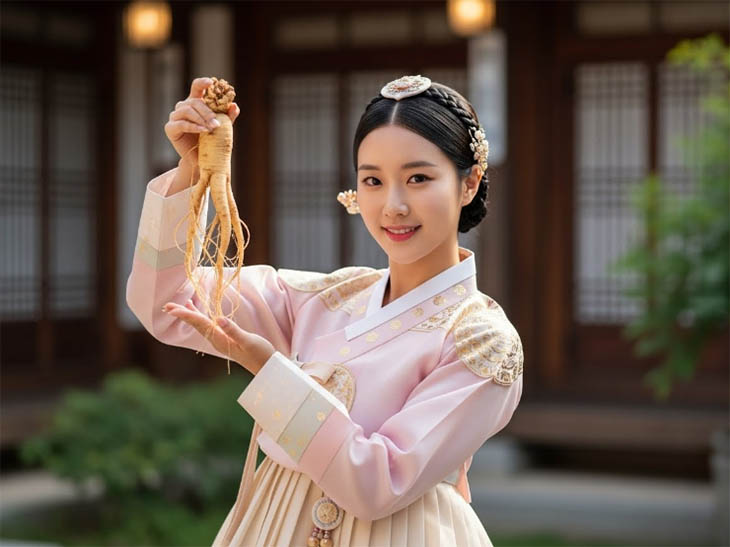
Ginseng in Korean Skincare: What It Does
If you’ve spent any time in a Korean beauty shop or skincare aisle in Seoul, you’ve likely seen the word ginseng pop up again and again. From essences and serums to creams and eye treatments, this ancient root has become one of the most celebrated ingredients in Korean skincare. But what exactly does ginseng do for your skin, and why do Koreans love it so much? Let me walk you through it from both a cultural and functional perspective — in a way that actually makes sense for someone new to K-Beauty.
A Deep Root in Tradition
Long before ginseng made its way into modern beauty shelves, it was prized in Korea and across East Asia as a medicinal herb. Known locally as insam (인삼), it’s been a symbol of health, longevity, and vitality for centuries. In traditional medicine, it was often used to support energy, immunity, and balance in the body. Today, that legacy carries over into skincare because many of the same properties that support overall wellness can benefit the skin too.
What’s Inside Ginseng That Helps Skin?
The secret behind ginseng’s skin benefits lies in its complex set of bioactive compounds — especially ginsenosides. These naturally occurring molecules have been studied for their antioxidant and anti-inflammatory effects, which are key to skin health. Here’s how these qualities translate into skincare benefits:
Powerful Antioxidant Protection
One of the main ways ginseng works is by neutralizing free radicals — unstable molecules created by UV exposure, pollution, and everyday stress. Free radicals accelerate aging by breaking down collagen and damaging skin cells. Ginseng’s antioxidants help shield skin from this kind of damage. That’s part of why it’s such a favorite in anti-aging products and daily protection formulas.
Boosts Collagen and Elasticity
Collagen is the protein that keeps skin firm and resilient. As we age, our natural collagen production slows down, leading to fine lines and sagging. Ginseng has been shown to stimulate collagen production, helping skin maintain its firmness and elasticity. This doesn’t erase wrinkles, but it supports skin’s structure so it looks smoother and more youthful over time — a reason ginseng lines often feature in anti-aging collections.
Soothes Inflammation and Redness
Whether your skin is sensitive, irritated, or dealing with environmental stress, ginseng’s anti-inflammatory nature can help calm irritation. The ginsenosides and other compounds work to reduce inflammation and soothe stressed skin, which is especially helpful with seasonal changes or after sun exposure.
Improves Circulation and Glow
Healthy skin has good circulation, and some studies suggest ginseng can enhance microcirculation in the skin. Better circulation means nutrients reach skin cells more efficiently, which helps with overall radiance and tone. In Korea, this is often described as a “glow from within” — not just surface brightness but deeper vibrancy that looks natural and youthful.
Hydration and Barrier Support
Ginseng isn’t just about anti-aging. Compounds in the root also help balance moisture in the skin by supporting the skin’s natural barrier. A strong barrier means less dryness, improved texture, and resilience against external stressors like wind or pollution. This makes ginseng a comfortable choice even for people with dry or sensitive skin.
Why Koreans Use It Everywhere
In Korea, skincare is deeply rooted in both tradition and innovation. Ginseng bridges these worlds beautifully: it’s a heritage ingredient with centuries of cultural use that also holds up to modern science. You’ll find ginseng extract in toners, essences, serums, moisturizers, eye creams, and even sheet masks. Some products highlight ginseng as the star ingredient, while others blend it with supporting actives like hyaluronic acid, niacinamide, or botanical extracts for broader benefits.
Red Ginseng vs. Regular Ginseng
Another twist in Korean beauty is red ginseng. This version is steamed and dried, a process that changes the chemical makeup and often boosts the concentration of active compounds like ginsenosides. Many premium Korean brands use red ginseng extract as a powerhouse ingredient in luxury anti-aging lines because it’s believed to enhance antioxidant and regenerative effects.
How to Use Ginseng Products
If you’re new to ginseng in skincare, here are a few simple tips:
- Essence or Serum: These are usually where ginseng shows up first. They’re lightweight and highly absorbable, great for both morning and evening.
- Moisturizer with Ginseng: Adds an extra layer of nourishment and barrier support.
- Eye Cream: A gentle way to target fine lines and firmness around delicate eye skin.
- Mask Treatments: Ginseng masks are a nice weekly boost for hydration and glow.
Start with one product and see how your skin feels. The beauty of ginseng is that it’s gentle and synergistic with many other skincare ingredients — it doesn’t have to be a standalone star to be effective.
A Final Word from a Local Perspective
In Korea, ginseng isn’t just a trend or a buzzword — it’s part of a long tradition that celebrates balanced, healthy skin. People here don’t chase dramatic overnight changes. Instead, the focus is on daily nourishment, gentle support, and long-term skin wellness. Ginseng fits into that philosophy perfectly: it’s not flashy, but it’s reliable, time-tested, and wonderfully kind to your skin.
So if you see ginseng listed on Korean beauty shelves — whether in a glass bottle of essence or a creamy night moisturizer — you’re tapping into centuries of skincare wisdom that’s both cultural and scientific.
Why Are Korean Women So Popular Worldwide? A Local Perspective