
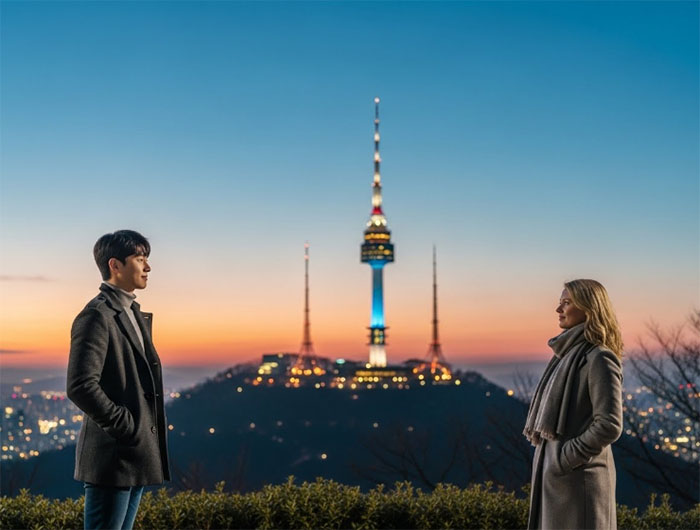
How Do Korean Men Treat Women on Dates?
When it comes to dating, every culture has its own subtle rhythms, expectations, and unspoken etiquette. Korea is no different — and if you’ve ever wondered “How do Korean men treat women on dates?” it’s a smart question. The answer isn’t a simple stereotype but a mix of cultural values, modern trends, and individual personality. As a Korean woman who lives here and sees friendships and relationships every day, I’ll share what you can expect in real-life Korean dating — honest, nuanced, and grounded in everyday experience.
Dating Culture in Korea: Respect Meets Modernity
Korean society places a lot of emphasis on respect and courtesy, and you’ll see this on many dates. Traditionally, men have played the role of hosts — meaning they often take the lead in planning, picking up the check, or suggesting activities. But this is changing with newer generations. Today’s dating culture blends this traditional courtesy with modern equality: many couples share costs, make joint plans, and decide together where to go.
Most Korean men try to be polite, attentive, and considerate. The key point is this: what feels polite may look different from Western norms, but the intention is almost always rooted in respect.
How Plans Are Made: Who Suggests What?
When a Korean man asks you out, he’ll often suggest a place or activity with some thought behind it. This could be:
- Dinner at a nice restaurant
- Coffee and dessert at a cozy café
- A walk by the Han River or in a park
- A visit to a market or cultural festival
Instead of open-ended “what do you want to do?”, it’s common for men to offer a suggestion and ask if it suits you. This isn’t bossiness — it’s a way of showing care and saving you the stress of planning.
Conversation Style: Politeness First, Warmth Second
On a first date or early dates, Korean men often lean toward courteous conversation. Topics tend to start light — interests, hobbies, travel stories, movies — before moving into deeper subjects. You might notice:
Gentle compliments rather than bold flattery
Asking your opinion rather than dominating the chat
Checking your comfort often (“Is this okay?” “Do you want to go here?”)
This polite and attentive style can feel refreshing to many, but it’s simply part of everyday etiquette here. As trust grows, so does warmth and directness in conversation.
Paying the Bill: Old Etiquette Meets New Norms
One of the most asked questions is about paying the bill. Traditionally, Korean men would cover the date cost as part of the courtesy norm — not as a display of power but as hospitality. Nowadays, many men still offer to pay, especially on earlier dates, as a sign of respect. But if you confidently suggest splitting or taking turns down the line, that’s usually welcomed and appreciated.
It’s less about strict rules, more about mutual respect and clear communication. If you prefer to split, say so kindly; Korean partners respect honesty.
Small Gestures That Matter
What often stands out in Korean dating is the little thoughtful gestures that show care:
Walking on the outside of the sidewalk (a traditional courtesy)
Opening doors politely
Remembering your favorite drink or dessert
Following up with a message after the date ends
These aren’t grand gestures; they’re steady, consistent kindnesses that make someone feel seen.
Physical Affection: Gradual and Contextual
Physical closeness on a date can vary widely depending on personality and comfort level, just like anywhere in the world. Some Korean men will hold hands early, while others wait until they feel more secure in the relationship. In public, affectionate gestures tend to be more subtle — hand-holding or arm-around-shoulder — especially in quieter neighborhoods.
What’s key here is mutual pacing. Respect for your pace and comfort matters a lot in Korean dating culture, and many men pay close attention to non-verbal cues.
Communication After the Date
After the date ends, it’s typical for a Korean man to send a message thanking you for your time and saying he had a good time. This might happen right after you part, or later in the evening. Follow-ups are common, and many men enjoy sharing small details about their day or asking when they can see you next.
Again, this doesn’t mean constant messaging like in some cultures; it’s more about steady, sincere check-ins.
Family and Long-Term Signals
If a Korean man sees long-term potential, conversations about family values, future plans, and personal goals often come up gradually. Korea respects relationship progression — not rushed, but intentional. Talking about future aspirations together — even in early stages — can signal genuine interest.
Be aware that asking about family is normal and not intrusive here; family ties are socially meaningful and often part of future considerations.
Changing Norms: Equality and Individual Choices
You might notice that younger generations increasingly prefer equality and flexibility in dating norms. Splitting bills, making joint plans, and sharing decision-making aren’t unusual at all. Attitudes are evolving, and many Korean men value shared experiences and mutual respect over traditional roles.
Respecting Differences and Personal Style
Just like anywhere else, every individual is different. Some Korean men will be sweet and attentive in ways you recognize immediately; others might express care more quietly. What matters on a date isn’t how a man matches stereotypes, but how he treats you with attention, respect, and genuine interest.
So if you’re curious about how Korean men treat women on dates, think of it not as a rigid cultural script, but as a collection of thoughtful cultural patterns — patterns you can understand, enjoy, and respond to in your own way.
Final Thought: Dating in Korea Is a Conversation, Not a Checklist
A successful date isn’t about ticking behaviors off a list; it’s about mutual respect, kindness, and learning each other’s communication styles. Just like any relationship anywhere in the world, the best dating experiences come from curiosity, sincerity, and shared joy.