
A Culture of Quiet Strength
If you spend any time in Korea, you’ll notice something interesting: Korean women often carry themselves with a calm, composed presence even when life feels hectic. From long workdays to social expectations, academic pressures to family duties, the modern Korean woman juggles a lot. But how do they manage stress?
Rather than dramatic emotional displays or public breakdowns — both of which are more common in some Western narratives — Korean women tend to manage stress in ways that reflect cultural values of resilience, harmony, and personal care. Some of these methods might be familiar to you, and others might surprise you. Let’s explore how Korean women keep their balance.
A Foundation of Self-Care and Routine
One of the first things many foreigners notice about Korean culture is how seriously people take daily routines that support well-being. Korean women often build small, consistent habits into their daily life that help manage stress before it becomes overwhelming.
These routines might include:
- A morning walk or short run
- Journaling or planning the day ahead
- Drinking tea or a calming beverage
- Skincare as a form of mindfulness
Rather than seeing self-care as indulgent, many Korean women treat it as a normal part of life. A moment spent with a good cup of barley tea or a quick stroll around the neighborhood park isn’t seen as selfish — it’s practical.
The Power of Skincare and Wellness Rituals
Korean skincare isn’t just about beauty — it’s practically a stress management ritual. The time spent on gentle cleansing, massage, and mindful application of products becomes a daily practice that slows the pace of the day.
What begins as a skincare routine transforms into a small moment of peace. Many women describe this time as:
- Reflective
- Calming
- A chance to breathe and pause
This kind of ritual turns an everyday activity into an emotional reset button.
Exercise and Movement as Emotional Release
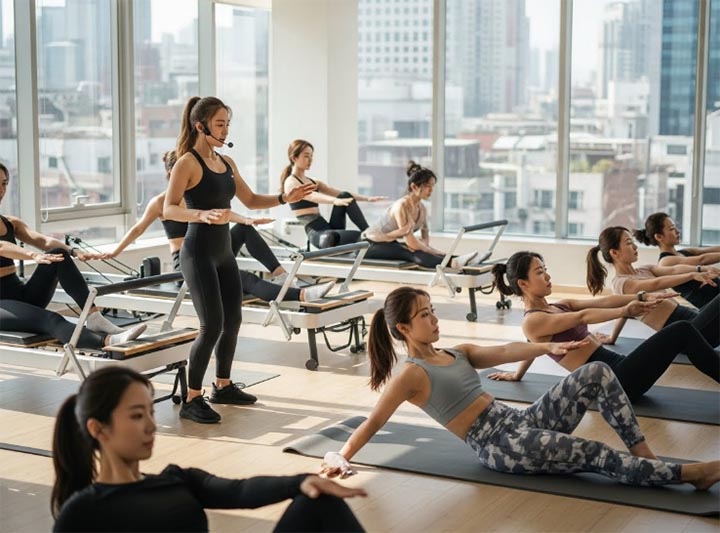
Korean women of all ages often turn to exercise and movement to relieve stress. This doesn’t always mean intense gym sessions. Instead, it’s about consistent, enjoyable motion.
Common stress-busting activities include:
- Evening walks with friends
- Dancing in fitness classes
- Yoga or Pilates
- Hiking on weekends
Korea’s terrain is full of beautiful hiking trails, and you’ll often see groups of women walking up a scenic trail early on a Sunday morning, chatting and releasing stress one step at a time.
Social Support and Sisterhood
Korean women lean heavily on social networks. Rather than bottling things up, many find comfort in deep, honest conversations with close friends and family. In Korea:
- Friends often become emotional anchors
- Family dinners — even simple ones — become a grounding ritual
- Heart-to-heart chats are regular and sincere
This isn’t loud drama. It’s thoughtful, intentional support that helps women feel heard and understood.
Many Korean women will schedule “talk time” with close friends — a dedicated space to vent, laugh, and unpack the emotional weight of daily life.
Eating Well as Emotional Nourishment
Food in Korea isn’t just fuel — it’s comfort, culture, and connection. Traditional meals with fermented vegetables, soups, and grains offer nourishment that feels both physical and emotional. Sharing a meal with friends after a long week can feel like therapy.
Korean women often talk about comfort food not with guilt, but with a sense of community — foods that bring warmth to the body and the soul.
Mindfulness and Mental Health Awareness
In recent years, conversations about mental health have become more open in Korea — especially among younger generations. Meditation, breathing exercises, and mindfulness apps are becoming part of stress management routines.
While not everyone attends formal therapy, many seek informal strategies:
- Meditation before bed
- Breathing techniques during stress
- Listening to calming music
- Reading or journaling for emotional clarity
This shift reflects a growing awareness that stress deserves attention and care.
Balanced Outlook on Work and Rest
Korean work culture is often intense, and women frequently navigate expectations at work and home. The result is that many Korean women are intentional about finding small moments of rest whenever possible.
Examples include:
- Taking short breaks during the workday
- Leaving work on time when possible
- Scheduling personal time for hobbies
- Listening to music during their commute
These aren’t dramatic escapes — they’re daily adjustments that help keep tension from building.
Coping Through Creativity
Korean women also often turn to creative outlets as emotional release. This might look like:
- Cooking traditional dishes
- Dancing at home or in a class
- Flower arranging or gardening
- Drawing, photography, or journaling
Creativity isn’t just a hobby — it’s a way of expressing feelings that words might not easily capture.
Balancing Tradition and Modern Stressors
Korean women often stand at the crossroads of tradition and modernity. Expectations from family, relationships, work, and society are often layered. The way they handle stress:
- honors cultural sensitivity
- prioritizes harmony
- seeks personal well-being
- and adapts to changing norms
These strategies reflect a healthy balance between respecting traditions and prioritizing personal mental health.
Conclusion: Small Practices, Big Peace
When you ask “How do Korean women manage stress?” the answer isn’t a single secret or trend. It’s a collection of everyday practices that together create emotional resilience and well-being.
Key themes include:
- Mindful self-care
- Physical movement and nature
- Deep social support
- Nourishing food culture
- Creative expression
- Everyday rituals that feel like rest
From my perspective living here, the strategies Korean women use reflect a practical emotional intelligence that is respectful, grounded, and deeply human. They don’t escape stress — they learn to live with it in ways that keep them connected, balanced, and hopeful.