
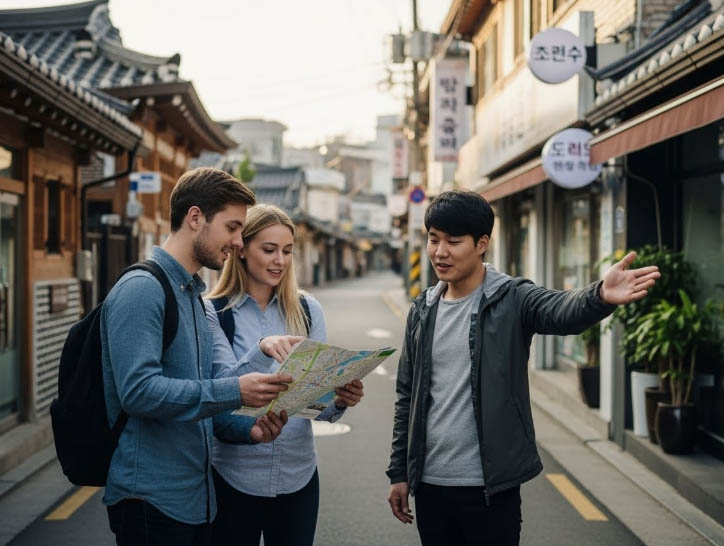
How Do Koreans Treat Foreigners Socially?
A Korean Local’s Honest and Nuanced Perspective
One of the most common questions people ask before moving to Korea is not “Is it safe?” or “Can I find work?” — it’s more human: “How will Koreans treat me socially?” This question matters because how people interact day-to-day shapes your experience more than anything else.
I’m a Korean woman living here, and I’ve watched many foreign friends arrive, adapt, and build meaningful relationships with Koreans. Let’s unpack how everyday Koreans tend to treat foreigners — the good, the confusing, and the pleasantly surprising — in a grounded, real-life way.
Friendly Curiosity First
The first thing many foreigners notice is curiosity.
In Korea, strangers might:
- Ask polite questions like “Where are you from?”
- Compliment your Korean skills (even if you’re still learning)
- Try simple greetings with you
Koreans often see foreigners as interesting — not threatening — and this curiosity typically comes from a place of open-minded friendliness, not judgement.
Of course, some questions may feel repetitive (“Can you speak Korean?” or “How long have you been here?”), but most of the time Koreans mean well.
Respect and Politeness Are Central
Korean social interaction is built on respect and politeness.
In practice, this means:
- People use polite language and gestures
- Elders are treated with clear respect
- Strangers may offer help if you look confused
If you’re lost at a subway station, someone is likely to try to help — even if their English isn’t perfect. Koreans value courtesy deeply, and that often extends to interactions with foreigners.
Group Harmony Influences Social Behavior
In Korea, group harmony (화합/조화) is a cultural priority.
This means that in social situations Koreans tend to:
- Avoid ostracizing or confronting someone publicly
- Seek polite ways to communicate differences
- Emphasize inclusion in group settings
When a foreigner joins a group, people often try to make them feel comfortable within the existing social rhythm — even if there’s a language gap.
Language Barriers Are Handled with Patience (Usually)
English ability varies widely among Koreans, but there’s often a sincere effort to communicate.
Common approaches include:
- Using simple English words
- Showing things on the phone or map
- Smiling and repeating phrases
Even if a Korean person doesn’t speak much English, they’ll often try their best to help. Rather than avoiding interaction, many locals will use gestures, translation apps, or teamwork to bridge the gap.
Younger Koreans Tend to Be More Open
One clear pattern you’ll notice is generational difference.
Younger Koreans (teens, 20s, early 30s):
- Are more exposed to global culture
- Study or use English regularly
- Travel abroad more frequently
- Are curious and comfortable around foreigners
They interact casually and confidently, especially in urban areas like Seoul, Busan, or Daegu.
Older generations may be more reserved in language, but they are often respectful and polite, and once conversation warms up, they show genuine interest.
Social Drinking and Group Activities
Korean social life often revolves around group dining and drinking — dinner, social outings, and weekend activities.
When foreigners are included, you might notice:
- Invitations to group meals
- Shared plates and rounds of soju or beer
- Group norms for seating and toasts
As a foreigner, you may not always understand every custom — but Koreans generally appreciate your participation and effort.
Workplace Social Dynamics
At work, social interactions with Koreans may depend on company culture.
In many offices:
- Team dinners and group gatherings are common
- Socializing after work is part of bonding
- Respect for hierarchy matters
But in international teams or more modern companies, interactions are more egalitarian and English-friendly. Social treatment can feel warm, structured, and team-oriented rather than individualistic.
Local Community: Neighborhood and Daily Encounters
In your neighborhood, small social behaviors matter:
- Shopkeepers greeting you politely
- Neighbors offering directions
- Elderly people smiling warmly in parks
These interactions aren’t deep friendships, but they shape an overall feeling of welcome. Koreans often show kindness in small, consistent ways.
Dealing with Differences and Misunderstandings
No culture is perfect, and cross-cultural interaction sometimes creates misunderstandings. For example:
- Directness vs. indirect communication
- Personal space norms
- Formality in language and behavior
When misunderstandings happen, patience and curiosity help both sides grow. Many Koreans appreciate when foreigners ask questions about culture instead of assuming differences are rudeness.
Experiences of Foreign Residents Vary by Context
How Koreans treat you socially also depends on context:
- Urban vs. rural areas
- Language skill levels
- Your attitude toward curiosity and learning
Whether you reciprocate social interest
In big cities, people are used to diversity and often comfortable interacting with foreigners. In smaller towns, attention may feel more intense not unfriendly, just curious.
Genuine Friendships Are Built on Effort and Respect
Some of my foreign friends have deep social circles of Korean friends, and they tell me the same thing:
- Make effort to learn language and customs
- Be open about your own culture
- Share meals, conversation, experiences
Koreans are often delighted when foreigners show sincere interest in Korean culture and language it opens doors to deeper connection.
Final Thoughts from a Korean Local
So, how do Koreans treat foreigners socially?
On average:
- With polite curiosity
- With willingness to help
- Within frameworks of respect and harmony
- With openness especially among younger generations
- With small gestures that show genuine kindness
No society is monolithic, but in everyday life, most foreigners will find that Koreans are warm, respectful, and socially interested once you learn how to read the cues and respond with openness.