
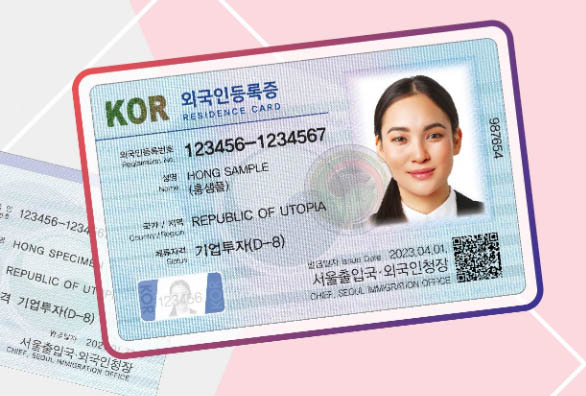
How Do You Get a Foreigner Registration Card in Korea?
A Local Step-by-Step Guide
If you are planning to stay in Korea for more than a short visit, there is one document you will hear about almost immediately: the Foreigner Registration Card. Locals usually just call it the ARC, and from a Korean perspective, it is basically your identity card while you live here.
As someone living in Korea and helping foreigners navigate daily life, I can confidently say this: nothing feels fully official until you get your Foreigner Registration Card. Let’s walk through what it is, who needs it, and how to get it without unnecessary stress.
What Is a Foreigner Registration Card?
A Foreigner Registration Card, officially known today as a Residence Card, is an ID issued by Korean immigration to foreigners staying in Korea long-term. It proves your legal status and contains key information such as your visa type, address, and registration number.
Once you have this card, life in Korea becomes much easier. Banks, hospitals, employers, phone companies, and even delivery apps often require it.
Who Needs a Foreigner Registration Card?
If you are staying in Korea for more than 90 days, you are generally required to apply for one. This applies to people on work visas, student visas, family visas, working holiday visas, and long-term residency visas.
Short-term tourists usually do not need it, but the moment your stay becomes long-term, this card becomes essential.
When Should You Apply?
Timing matters. You are expected to apply for your Foreigner Registration Card within 90 days of arriving in Korea.
Many newcomers make the mistake of waiting too long, thinking they can handle things later. In reality, delays can lead to fines or complications. From a local point of view, applying early saves a lot of trouble.
Where Do You Apply?
Applications are handled at your local immigration office, which is determined by your registered address in Korea.
Appointments are usually required, and booking early is strongly recommended. Immigration offices can get very busy, especially at the beginning of school semesters and hiring seasons.
Documents You Typically Need
While requirements may vary slightly depending on your visa, most applicants prepare the following:
- Passport
- Visa confirmation
- Application form
- Passport-style photo
- Proof of address in Korea
- Application fee
Students may need school documents, while workers usually need employment contracts. Immigration officers are detail-oriented, so having everything ready makes the process smoother.
What Happens at the Immigration Office
On your appointment day, you submit your documents, confirm your information, and provide fingerprints. The process itself is usually straightforward, but waiting times can vary.
After your application is accepted, you do not receive the card immediately. Processing usually takes a few weeks. During this time, you may receive a confirmation slip that acts as temporary proof of registration.
Receiving Your Card
Once your Foreigner Registration Card is ready, you can either pick it up in person or receive it by mail, depending on your choice during application.
When you finally hold the card, you will notice something interesting: many foreigners say this is the moment Korea starts to feel real and stable.
Why This Card Matters in Daily Life
From a local perspective, the Foreigner Registration Card is more than immigration paperwork. It is required for:
- Opening a bank account
- Getting a phone plan
- Signing a lease
- Enrolling in national health insurance
- Receiving salary payments
- Using many online services
Without it, daily tasks can feel surprisingly difficult.
Updating Your Information Is Your Responsibility
One important thing many foreigners overlook is that you must update your card information when something changes. This includes address changes, passport renewals, or visa extensions.
Korean immigration expects residents to keep their information current, and ignoring updates can cause problems later.
Common Mistakes to Avoid
Here are mistakes locals often see newcomers make:
Waiting too long to apply
Booking immigration appointments too late
Bringing incomplete documents
Not updating address changes
Assuming the card is optional
The system is strict but predictable. Following the rules makes everything easier.
Final Thoughts from a Korean Local
From inside Korea, the Foreigner Registration Card is not just paperwork. It is your official entry into daily life here. Once you have it, you stop feeling like a temporary visitor and start living more independently.
If you apply early, prepare carefully, and follow the process step by step, getting your Foreigner Registration Card is straightforward. And once it is in your wallet, Korea suddenly becomes much more accessible.