How Do You Pay Utility Bills in Korea? A Local Guide for Foreigners
Paying utility bills in Korea is one of those things that sounds simple… until you actually move here. Then suddenly you’re staring at a paper bill covered in Korean, wondering if it’s urgent, optional, or already overdue.
From a Korean local’s perspective, I can reassure you: utility bills in Korea are not complicated, but they are different. Once you understand the system, paying them becomes routine and surprisingly convenient.
Let’s walk through how utilities work in real life, not just on paper.
What Counts as a Utility Bill in Korea?
In Korea, utility bills usually include:
- Electricity
- Gas
- Water
- Building maintenance fees
Internet and mobile phone bills are handled separately through private companies, so I’ll focus on the essentials that almost everyone pays.
Depending on where you live, these bills may arrive separately or be grouped together.
How Electricity Bills Work
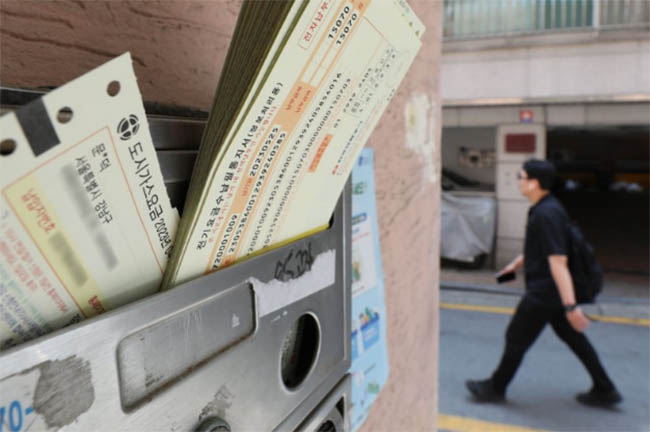
Electricity is usually billed monthly. The bill may arrive as a paper notice in your mailbox, but many households now receive digital notifications as well.
Electricity bills are based on usage, and prices increase as usage goes up. This is especially noticeable in summer and winter when air conditioning or heating is used heavily.
From a local point of view, electricity bills in Korea are generally reasonable, but running air conditioning all day can still be a shock.
Gas Bills: The Winter Surprise
Gas bills are mainly for heating and hot water, and this is where many foreigners experience their first real surprise.
Gas is often billed every one or two months. In winter, gas bills can jump significantly, especially in older buildings with less insulation.
Many Koreans keep heating low and use extra blankets instead. This is not just cultural habit — it’s practical.
Water Bills Are Usually the Easiest
Water bills are typically lower than electricity or gas and are often billed every two months.
In some apartments, water is included in the building maintenance fee. In others, it arrives as a separate bill. Either way, water costs are rarely the biggest concern.
What Are Building Maintenance Fees?
Maintenance fees are very common in Korea, especially in apartment buildings and officetels.
These fees may include:
- Cleaning of shared areas
- Elevator maintenance
- Security services
- Garbage and recycling management
- Sometimes water or heating
Maintenance fees are usually paid monthly and are often due separately from utility bills. They are not optional.
From a local perspective, this is simply part of communal living in Korea.
Ways to Pay Utility Bills in Korea
Here’s the good news: Korea offers many ways to pay.
Paying at Convenience Stores
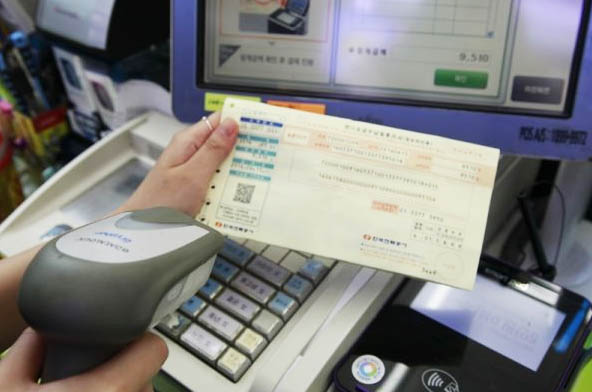
Yes, you can walk into a convenience store and pay your utility bills at the counter. This is very common and beginner-friendly.
You simply bring the paper bill, hand it to the cashier, and pay by cash or card. It doesn’t get more straightforward than that.
Online and Mobile Banking
If you have a Korean bank account, paying bills through online or mobile banking is extremely convenient. Many Koreans never touch paper bills anymore.
Once set up, you can pay in a few taps.
Automatic Payments
Many residents choose automatic withdrawals. Bills are paid directly from your bank account each month.
This option is popular because it removes the risk of forgetting a due date.
Payment Apps
Some utility providers allow payments through local apps. These are efficient but may require Korean language ability to navigate comfortably.
Do You Need a Korean Bank Account?
Technically, no — you can pay at convenience stores without one. But realistically, having a Korean bank account makes life much easier.
Most long-term residents eventually set up online banking or automatic payments to save time.
From a local point of view, this is one of the first steps toward feeling settled in Korea.
What Happens If You Pay Late?
Korea is strict but fair.
Late payments may result in:
- Small late fees
- Reminder notices
- In rare cases, service suspension
Cutoffs don’t happen immediately, but repeated delays can cause problems. Paying on time is strongly recommended.
Common Mistakes Foreigners Make
These mistakes come up again and again:
- Ignoring paper bills because they look confusing
- Assuming utilities are included in rent
- Forgetting maintenance fees
- Not realizing winter gas costs are higher
- Missing due dates
Once you understand the system, these are easy to avoid.
Is Paying Bills in Korea Difficult?
Honestly, no. Korea is one of the most payment-friendly countries in the world.
Once you’ve paid bills a few times, it becomes automatic. Many foreigners later say paying utilities in Korea is easier than in their home country.
The key is understanding how things are divided and when payments are due.
Final Thoughts from a Korean Local
Paying utility bills in Korea may feel confusing at first, but it’s part of settling into everyday life here. The system is efficient, flexible, and designed for convenience.
If you read your bills carefully, set reminders, or use automatic payments, you’ll rarely have problems.
From a local perspective, the moment you stop worrying about utility bills is often the moment Korea starts to feel like home.
Translation of Korea’s Utility Bill: A Local’s Guide to Reading Korean Bills Without Panic