
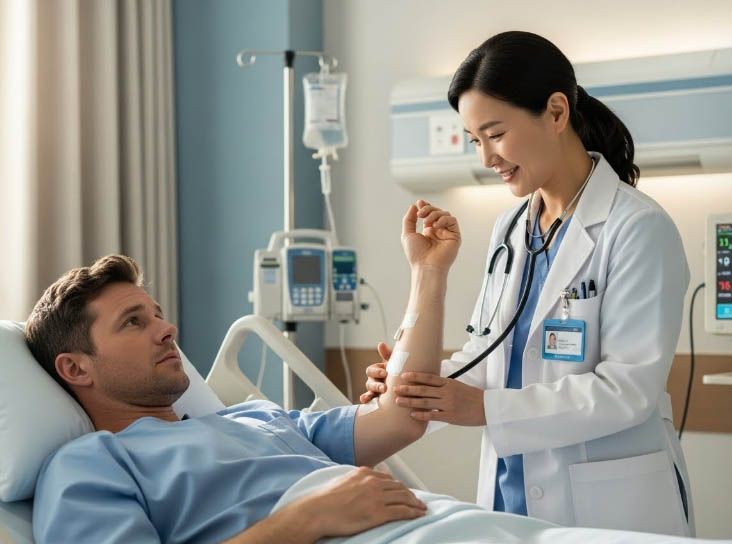
How Good Is Healthcare in Korea?
A Korean Local’s Honest Look at Hospitals, Insurance, and Everyday Care
One of the first questions foreigners ask when thinking about moving to South Korea is: “How good is the healthcare here?” It’s a practical, very human concern — because we all want to know that if we get sick, we’ll be treated well without getting lost in bureaucracy or facing astronomical bills.
From the perspective of someone born and raised here, and having navigated Korea’s healthcare system both as a patient and with foreign friends, I can say this plainly: Korean healthcare is excellent, accessible, and surprisingly affordable — but there are quirks you should know before you use it. Let’s break it down in a way that’s clear, honest, and relevant to real life here.
A System Built on Accessibility and Quality
One of the biggest strengths of Korean healthcare is accessibility. Korea has:
- Extensive hospital and clinic coverage — even in smaller cities
- Modern facilities with up-to-date technology
- Short wait times, especially compared to many Western countries
- Highly trained and professional medical staff
Whether you’re in Seoul or a regional city, you will find clinics and hospitals that can diagnose and treat most common conditions efficiently.
National Health Insurance: A Foundation of the System
Korea’s National Health Insurance (NHI) is one of the pillars of the system. Most residents — including expats with certain visa types — are required to join. What makes it strong is:
- Affordable premiums based on income
- Wide coverage for doctor visits, hospital stays, prescriptions, and tests
- Subsidized costs for many essential services
This isn’t private insurance — it’s a government-run plan that drastically reduces what you pay at the clinic. If you compare it to many private schemes abroad, it’s both simple and cost-effective.
Quality of Care: What You Can Expect
Let’s talk about quality — because “good” means different things to different people.
Medical Training and Standards
Korean doctors go through rigorous education and training. In major cities like Seoul, Busan, and Daegu, you’ll find specialists who are globally competitive in fields like:
- Cardiology
- Oncology
- Orthopedics
- Cosmetic and reconstructive surgery
- Advanced imaging technology
Hospitals regularly adopt new technology quickly, and many top facilities have English-speaking staff or interpretation services.
Everyday Clinics
For common issues like colds, injury, or minor procedures, neighborhood clinics are abundant. Most residents see a local doctor for routine care, and referrals to specialists happen smoothly when needed.
How Costs Compare Internationally
Many foreigners who’ve lived in both Korea and Western countries say the same thing: healthcare here is excellent but much cheaper.
For example:
- A specialist visit might cost a fraction of what it does in the U.S.
- Basic procedures are usually affordable, even without full insurance coverage
- Prescription medication is priced reasonably
With National Health Insurance, your out-of-pocket cost drops even further. That’s because the system is structured to share cost burdens between the government and the individual.
Language and Communication: The Real Barrier
Here’s the honest part: language can be the biggest barrier for foreigners here.
Many doctors and nurses speak little English outside major hospitals in big cities. That said:
- International clinics exist in Seoul and major expat hubs
- Hospitals in big cities often have interpreter services
- Apps and phone interpreters are commonly used
Foreign residents quickly learn that having a Korean friend or colleague help with basic questions (like symptoms or medicine instructions) can make visits much easier.
Emergency Care: Fast, Professional, and Welcoming
If you ever need urgent care, Korean emergency departments are well-prepared. Many hospitals operate 24/7 emergency rooms with:
- Quick triage and treatment
- Skilled emergency medicine teams
- Clear protocols for ambulance calls
Just remember that ambulance services may ask for payment up front if you’re not fully covered by insurance, so always check your insurance status before arriving.
Preventive Care and Screenings
Korea places strong emphasis on preventive health, including:
- Regular cancer screenings
- Health checkups subsidized by employers or insurance
- Lifestyle and chronic disease tracking
You’ll notice that health centers offer systematic screening packages — and Koreans often take them seriously as part of annual routines.
A Few Things to Watch Out For
No system is perfect, and Korean healthcare has a few quirks:
1. Insurance Enrollment Rules
Expats often join National Health Insurance, but short-term visitors usually rely on travel or private insurance. Check eligibility rules carefully based on your visa type.
2. Language Limits in Smaller Cities
In smaller towns, English support is rare. Planning visits and bringing language support helps mitigate confusion.
3. Over-the-Counter Medications
Some medicines that are easy to buy abroad may require prescriptions here. It’s less convenient, but it’s also a safety measure.
Everyday Tips for Foreign Residents
If you plan to live here long-term, these tips help:
- Get National Health Insurance early. It’s one of the most cost-saving moves you can make.
- Keep a list of clinics with English support. This is especially useful if you’re not fluent.
- Learn basic medical Korean phrases. Even 10–15 phrases go a long way.
- Bring a friend or interpreter for important appointments. Many expats do this regularly.
Final Thoughts from a Korean Local
So how good is healthcare in Korea?
From a practical, everyday perspective, it’s one of the strong points of living here:
- Affordable compared to many Western countries
- High quality and well-equipped
- Accessible, even in many regional areas
- Responsive in emergencies and chronic care alike
It’s not perfect — and language can feel like a hurdle — but the foundational quality is solid. Most foreigners who settle here find they’re treated with professionalism, respect, and at a cost much lower than they expected.