
How Hard Is It to Get a Manufacturing Job in South Korea?
If you have ever searched for factory or manufacturing jobs in Korea, you’ve probably seen two completely different opinions online. Some say it’s easy money with guaranteed hiring. Others insist it’s nearly impossible unless you pass tough exams and compete with thousands of applicants.
So what’s the truth? As a Korean local who has watched this industry evolve over the years, here’s the honest breakdown of how challenging (or not) it really is to get a manufacturing job in South Korea today.
The Entry Barriers: Not Impossible, But Definitely Structured
First Challenge: Visa Eligibility
The biggest hurdle is not the job itself but the visa. Most foreign workers in manufacturing use the E9 visa, which is only available through the EPS (Employment Permit System). That means:
- You must be from a country partnered with EPS
- You must take the EPS-TOPIK exam
- You must pass additional skills or competency tests
- You must wait for official selection, which is based on yearly quotas
So, yes — you can’t just apply directly to a Korean company and expect to be hired the next day. The government controls the process strictly.
Second Challenge: The EPS-TOPIK Competition
The EPS-TOPIK exam isn’t difficult in terms of difficulty level, but competition is tough because:
- Applicants often far outnumber available slots
- A higher score increases your chance of being selected
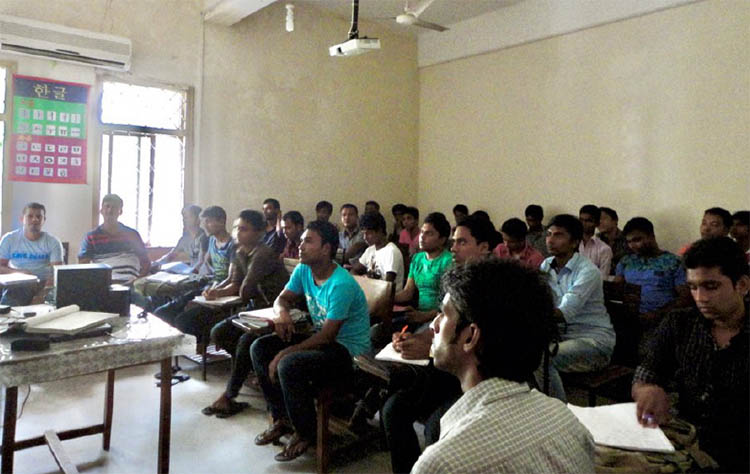
- Many countries prepare months in advance for the exam
If you prepare well, it’s absolutely doable — but don’t underestimate how many people are trying to secure the same opportunity.
What Makes It Easier?
Korea’s Ongoing Labor Shortage
Manufacturing jobs in Korea are not as popular among young Koreans due to long hours and repetitive tasks. This means factories often rely on foreign workers to maintain production. When demand is high, selection chances can improve.
Having Experience or Strong Physical Fitness
If you have a background in factory work, machinery operation, electrical maintenance, or similar fields, you’ll adapt faster. Even though EPS does not require high skills, employers prefer workers who can handle the physical demands and learn quickly.
Basic Korean Ability
You don’t need advanced conversation skills, but understanding simple instructions makes a big difference. It also helps with:
- Workplace safety
- Team communication
- Living comfortably in daily life
Workers who already speak some Korean often get better placements.
What Makes It Harder?
Strict Health Requirements
If your medical exam reveals certain conditions, you can be rejected. Korea takes workplace safety seriously, and manufacturing sites require predictable physical capability.
High Competition During Certain Years
EPS quota changes every year. Some years have larger openings; other years have fewer spots, making it harder to be selected even with good scores.
Commitment to Long Work Hours
Factories expect commitment, consistency, and the ability to work overtime. If you cannot handle shift work or repetitive tasks, adaptation may be challenging.
So, Is It Hard or Easy?
The simplest answer:
It’s not easy, but it’s not unattainable either.
The process is structured, competitive, and sometimes slow. But if you meet the requirements, prepare for EPS-TOPIK, and understand what manufacturing work in Korea is really like, your chances of getting hired increase dramatically. Thousands of foreign workers succeed every year — not because it’s easy, but because they prepare well and follow the process step by step.
Final Thoughts
Getting a manufacturing job in South Korea is definitely possible, but the application journey requires patience, preparation, and the right qualifications. If you’re serious and willing to put in the effort, Korea’s manufacturing sector can offer stable income, long-term opportunities, and a valuable work experience abroad.