
How Korea Is Embracing Multiculturalism
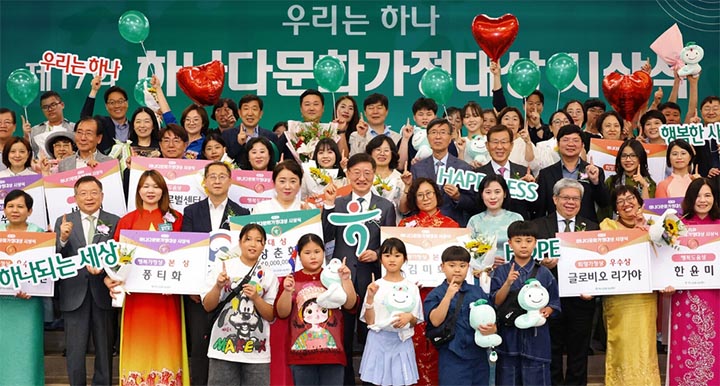
South Korea is a country with a long, proud history of cultural continuity. For decades, it was viewed by the outside world as largely homogeneous — a place where people shared language, ancestry, and traditions. But if you’ve spent any time here in recent years, you’ll notice something unmistakable: Korea is changing. The society that once seemed uniform is gradually embracing multiculturalism with thoughtful policies, community efforts, and everyday life adjustments.
From the perspective of a Korean woman, watching this shift has been fascinating. People often ask me: “Has Korean society really opened up to multiculturalism?” The short answer is yes — not overnight, and not perfectly, but in meaningful and growing ways.
Let’s explore how Korea is embracing multiculturalism — through policies, social integration, education, and cultural exchange — without fluff, straight from the local viewpoint.
More Multicultural Families, Fewer Surprises
One of the most visible signs of multiculturalism is the rise of multicultural families. These are households where one parent is Korean and the other is from another country, or families where both parents are immigrants. Over the past decade, international marriages and multicultural births have steadily increased. Today, classrooms in urban and regional areas alike include children from diverse ethnic and cultural backgrounds.
This change doesn’t feel forced or awkward anymore. Children learn together, play together, and grow up sharing languages and traditions — and that normalizes diversity in the next generation.
Government Policies to Support Diversity
Korea’s government has recognized this shift and implemented supportive policies. Local and national initiatives now include:
- Multicultural family support centers that provide education, counseling, and language programs
- Subsidies for translation assistance in public services
- Cultural integration programs for international residents
These efforts reflect a broader policy shift: it’s no longer enough to tolerate difference — Korea is actively supporting multicultural families and foreign residents in everyday life.
Schools Leading the Integration Effort
In schools across Korea, multicultural education has become not just accepted, but necessary. Teachers undergo additional training to support students from international households. Korean language programs are offered to help children and families adapt. And many schools host cultural events where students share traditions from around the world.
Parents, both Korean and foreign, often say they see firsthand how this fosters mutual respect among students. Children become bilingual, bicultural, and often more globally minded before they reach high school.
Workplaces Are Becoming More Diverse
For many years, workplaces in Korea tended to hire locally and communicate internally with little variation in culture or language. This is changing.
As international companies expand in Korea and more foreigners join the workforce, many workplaces are adapting by:
- Offering language support and interpretation services
- Creating diversity and inclusion initiatives
- Promoting cross-cultural training
These changes help foreign employees feel recognized and valued, not just tolerated. In everyday terms, it means meetings where English and Korean coexist, international festivals celebrated at work, and HR policies that accommodate diverse needs.
Cultural Festivals and Everyday Exchange
Walk through any major Korean city today and you’ll see multicultural influence in action. Street festivals feature music and food from around the world. Local markets sell cuisines from Vietnam, India, Russia, and Nigeria alongside Korean staples. Neighborhood events often include cultural performances, collaboration booths, and exchange activities.
People don’t just talk about diversity — they experience it through taste, sound, color, and conversation.
Media Representation Is Catching Up
Another sign that Korea is embracing multiculturalism is representation in media. Television, movies, and streaming content increasingly include multicultural characters and stories. These narratives address topics like raising children in mixed households, navigating bicultural identity, and celebrating cultural fusion.
While there’s still progress to be made, seeing these stories on screen helps shift public perception and open up dialogue across generations.
Challenges Remain — But So Does the Commitment
It’s important to acknowledge that multiculturalism in Korea is not without challenges. Some people still encounter language barriers, social bias, or identity questions. Media portrayals can sometimes lean on stereotypes. And support systems, while improving, are not perfect.
But here’s the key difference from a decade ago: people talk about these gaps openly, and many are committed to finding solutions together. Community groups, schools, workplaces, and local governments do not shy away from these conversations. That, in itself, is a change.
From Homogeneity to Cultural Layers
Korea isn’t transforming into a melting pot overnight, and it likely won’t look the same as multicultural societies in Europe or North America. What’s happening here is a distinctively Korean version of multiculturalism — one that blends deep respect for tradition with growing openness to diversity.
In practical terms, this means:
- Children growing up comfortable in multiple cultures
- Foreign residents who plan to stay long-term
- Policy frameworks that recognize difference, not erase it
- Daily interactions where Korean and global identities coexist
This evolution is quiet rather than loud, but it is real.
Final Thought: Multiculturalism as a Korean Story
When outsiders look at Korea now, they often still see K-pop or food before social change. But if you talk to people here — parents, students, teachers, neighbors — you’ll find that multiculturalism is a lived experience. Not a trend, not a slogan, but an everyday reality woven into how people work, learn, celebrate, and belong.
Korea’s embrace of multiculturalism is not perfect, but it is sincere. It comes from shifting demographics, policy support, and most importantly, the human desire to connect across cultures.
And perhaps the most Korean thing about this whole journey is how people are approaching it — not with loud declarations, but with quiet, persistent effort.