How Many Foreigners Can Be Invited as Seasonal Workers in Korea?
If you’ve been researching short-term work opportunities in South Korea, you may have come across the term seasonal worker. One of the most common questions I hear from foreigners is surprisingly simple: How many seasonal workers can be invited, and who actually has the power to invite them?
As a Korean local, I’ll walk you through how this system really works, without legal jargon or unrealistic promises.
What Does “Seasonal Worker” Mean in Korea?
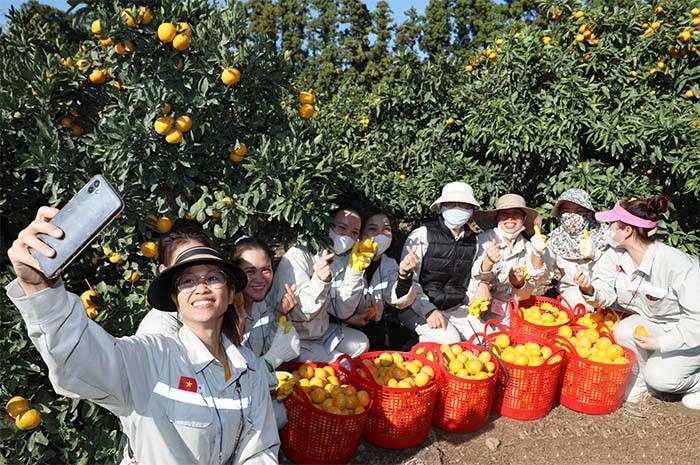
In Korea, seasonal workers are foreign nationals who come to work temporarily in industries that experience labor shortages at specific times of the year. This usually includes agriculture, farming, and fisheries, especially during planting and harvest seasons.
Unlike regular work visas, seasonal work is designed to be short-term. The focus is not long-term employment or settlement, but filling urgent labor gaps that local workers alone cannot cover.
Who Is Allowed to Invite Seasonal Workers?
This is the most important point, and also the most misunderstood.
In Korea, individual people, private farms, or companies cannot directly invite foreign seasonal workers on their own. Invitations are handled only through local governments, such as cities, counties, or districts.
Local governments apply to the central government for permission to invite a certain number of seasonal workers. Once approved, they manage the recruitment, placement, housing, and oversight of those workers.
So if you are a foreigner hoping to work seasonally in Korea, you are not being invited by a person, but by a local government authority.
How Is the Number of Seasonal Workers Decided?
There is no single fixed number that applies every year.
Each year, the Korean government sets a national quota for seasonal workers based on several factors:
- Labor shortages in rural areas
- Requests from local governments
- Housing and management capacity
- Past compliance and worker protection records
Because of Korea’s aging population and shrinking rural workforce, this quota has been increasing steadily. In recent years, the total number of seasonal workers allowed nationwide has reached over one hundred thousand per year, and this figure continues to grow.
How Many Workers Can One Area or Farm Receive?
Once the national quota is set, it is divided among participating local governments. Each local government then distributes workers based on local demand.
In practice:
- Small farming households are usually assigned a limited number of workers
- Larger agricultural operations may receive more
- Exact numbers vary by region and year
The goal is to balance labor needs with the ability to provide proper housing, supervision, and fair working conditions.
Which Visas Do Seasonal Workers Use?
Seasonal workers typically enter Korea under short-term employment visas. These visas allow them to work legally for a limited period, usually a few months.
The stay is strictly temporary. Seasonal work visas are not designed for long-term residence, job changes, or permanent settlement. However, workers who follow the rules and complete their contracts properly may be invited again in future seasons.
Are There Any Special or Expanded Programs?
Yes. In recent years, Korea has been testing expanded seasonal worker programs to widen the labor pool.
In some cases, family members of foreign residents in Korea, such as parents of international students, may be allowed to participate under special arrangements. These programs are still limited and depend heavily on local government policies, so availability can vary.
Can Seasonal Workers Extend Their Stay or Change Jobs?
Generally, no.
Seasonal work visas are tied to specific periods and job assignments. Extensions beyond the approved season are rare, and changing jobs is usually not allowed. Seasonal workers are expected to return to their home country once their work period ends.
That said, workers with a strong record of compliance may be invited again in future seasons through the same system.
Why Korea Relies on Seasonal Workers
From a Korean perspective, seasonal workers are essential. Rural communities face serious labor shortages, and without seasonal help, many farms simply could not operate during peak seasons.
This program is not about cheap labor. It is about keeping local agriculture alive while maintaining legal oversight and worker protections.
The Bottom Line
So, how many foreigners can be invited as seasonal workers in Korea?
There is no single number per person or per employer. Seasonal workers are invited through government-managed quotas, decided annually and distributed by local governments. In recent years, that number has exceeded 100,000 workers nationwide, and it continues to grow.
If you are interested in seasonal work in Korea, the key is understanding that this is a structured public program, not a private hiring system. Knowing how it works will save you time, confusion, and unrealistic expectations.
If you’d like, I can also explain how to apply as a seasonal worker, which countries are most commonly involved, or what working conditions are actually like on the ground.
Daily Life of a Worker in a Korean Manufacturing Plant What It Is Really Like