
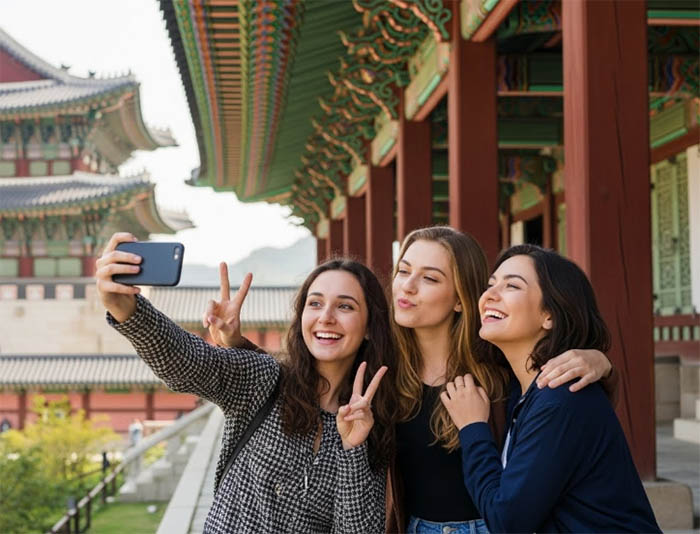
How Much Does It Cost to Study in Korea?
A Korean Local’s Honest Breakdown of Tuition, Living Costs, and What Students Really Spend
If you’ve been thinking about studying in Korea, you’ve probably wondered the big question everyone asks first: “How much does it actually cost?”
And honestly, it’s a smart place to start. Korea can be surprisingly affordable—or surprisingly expensive—depending on where you study, how you live, and how well you prepare.
As a Korean local who has watched countless international students settle into life here, let me break down everything clearly so you won’t be shocked when you arrive.
1. Tuition Fees: What You’ll Pay at Korean Universities
Korean tuition varies widely depending on the major and the type of school, but here’s a realistic average:
National Universities
Usually cheaper and very competitive.
Average per semester: USD 1,800–3,500
Examples: Seoul National University, Pusan National University
Private Universities
More expensive but offer more English-taught programs.
Average per semester: USD 3,000–6,500
Examples: Yonsei, Korea University, Hanyang, Ewha
Majors That Cost More
- Medicine
- Engineering
- Art & Design
- Music
These can reach USD 6,000–9,000 per semester, depending on the school.
Korean Language Programs (Before University)
Most international students take a language course first.
Cost: USD 1,000–1,800 per 3-month term
Many students underestimate this cost—so add it to your budget if you’re not already fluent.
2. Living Costs in Korea: What Students Actually Spend
Korea isn’t the cheapest country in Asia, but it’s manageable when you know how to budget.
Here’s what you can expect monthly:
Accommodation
- Dormitory: USD 200–500
- Goshiwon (tiny room): USD 250–450
- One-room apartment: USD 400–800 (Seoul costs more)
Seoul = expensive.
Other cities like Busan, Daegu, and Gwangju = much cheaper and still very livable.
Food
- University cafeteria: USD 3–5 per meal
- Convenience store meals: USD 4–6
- Eating out: USD 8–12
- Monthly grocery budget: USD 150–250
Korean food is delicious, but if you eat out daily, your wallet will cry by week two.
Transportation
Thanks to Korea’s amazing public transit, this is the cheapest part.
Monthly transportation: USD 40–60
Phone & Internet
Total monthly: USD 20–40
Korea’s Wi-Fi is basically everywhere, so you won’t struggle.
Personal Spending
Realistically: USD 150–300
Depends on:
- K-beauty obsession
- Weekend trips
- Café hopping habits
And yes… cafés will tempt you daily.
3. Total Monthly Cost (Realistic Range)
Most international students spend:
USD 700–1,200 per month (living + food + transportation + personal items)
Budget students can live on the lower end, especially outside Seoul.
Students who love shopping and cafes? Higher end, easily.
Scholarships: A Big Cost Saver
The good news: Korea offers tons of scholarships for foreign students, including:
Korean Government Scholarship (KGSP)
- University admissions scholarships
- Merit-based scholarships
- Tuition reduction programs
- Private foundation scholarships
Some students pay zero tuition with the right scholarship—so applying early helps a lot.
Is Studying in Korea Worth the Cost?
If you want:
- Strong academics
- Safe cities
- Great public transportation
- Fast internet
- Affordable daily life
- A unique cultural experience
—then yes, Korea is absolutely worth it.
The costs are fair compared to the US, UK, Canada, and Australia.
Even private universities here are often cheaper than community colleges abroad.
And as a Korean local, I’ll tell you this honestly: studying here can change your life in ways you won’t expect—in friendships, career choices, and personal growth.
Final Advice From a Korean Local
Prepare your budget wisely.
Understand the real monthly cost.
Apply for scholarships early.
And choose the right city—not just the famous university.
If you do all of this, studying in Korea becomes not just affordable but one of the best investments you’ll ever make.