
How Multicultural Families Adapt to Korean Culture
A local Korean’s honest take on real-life adjustment, culture blending, and what helps families feel at home
Korea isn’t the same country it was twenty years ago. Walk around any neighborhood, and you’ll hear more languages, see more diverse families, and feel the quiet shift toward a more global society. As someone who writes about life in Korea for international readers, I often get one question: “How do multicultural families actually adapt to Korean culture?”
The answer isn’t simple. Because every family is unique. But after observing, interviewing, and living alongside multicultural families in Korea, I can tell you that adaptation is a mix of curiosity, patience, humor, and lots of learning moments. Here’s the full picture—practical, honest, and SEO-friendly so others can find it when they need it most.
Understanding the Korean Way of Adapting
Koreans value harmony, respect for elders, and community. Multicultural families adjusting to life here often start by learning how these cultural values shape daily routines, school life, friendships, and even how neighbors interact.
Adaptation doesn’t mean becoming perfectly Korean. It means finding a balance between cultures—enough to feel comfortable, but not so much that you lose your identity.
1. Learning Korean Language (The Real Game-Changer)
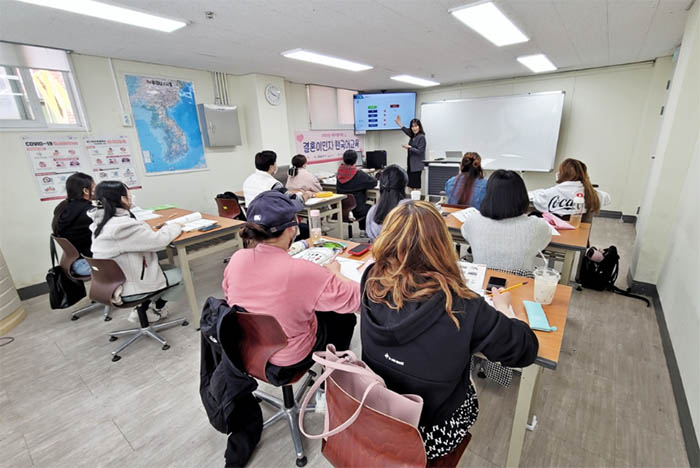
Many multicultural families say language is step one and step ten of adapting. Without Korean, even the simplest things—school notices, medical appointments, bank work—can feel overwhelming.
Families usually rely on:
- free language classes at Multicultural Family Support Centers
- Korean language apps
- school-based Korean programs for children
- daily practice through neighbors, markets, and TV
Most children pick up Korean faster than their parents, which often makes them tiny translators at home.
2. Understanding Korean Social Norms
Korean culture can feel intense on the surface: bowing, removing shoes indoors, rigid drinking etiquette, the famous “Korean speed,” and a communication style that prefers subtlety over directness.
Multicultural families learn these norms gradually by:
- observing coworkers or school parents
- joining community events
- talking to Korean relatives
- learning from TV shows or YouTube
The funny part? Koreans don’t expect foreigners to get everything right—we just appreciate the effort.
3. Navigating School Life With Confidence
If you have school-age children, adapting to the Korean education system becomes a major part of your life.
Parents often learn to navigate:
- school apps (yes, there are many)
- parent–teacher meetings
- after-school programs
- Korean homework that even local parents struggle with
Thankfully, schools today offer much stronger support for multicultural families than before. Interpretation services, multicultural coordinators, and language assistance programs can make a huge difference.
4. Blending Cultures at Home
One of the most beautiful things about multicultural families in Korea is the way they merge traditions.
You’ll see:
- families celebrating Chuseok and Christmas
- Korean dishes served next to international favorites
- bilingual storybooks on the coffee table
- kids growing up with two or more cultural identities instead of one
Adaptation becomes a two-way exchange—Koreans learn just as much from multicultural families as the families learn from Korea.
5. Building a Support Network
Life in Korea is easier when you’re not doing it alone. Multicultural families thrive when they build relationships with:
- neighbors and local Korean friends
- church communities
- parent groups
- multicultural centers
- expat communities
This support system helps with everything from understanding paperwork to getting advice on the best Korean snacks for picky kids.
6. Embracing Korean Food (Gradually, Not All at Once)
Food is a huge part of adaptation. Some families fall in love with kimchi on day one. Others take months to adjust to fermented flavors.
Most multicultural households find a rhythm like this:
- Korean food at school or restaurants
- home cooking that mixes both cultures
- local markets for fresh produce
- occasional cravings for food from “back home”
And yes, every parent eventually learns which Korean snacks their kid is obsessed with.
7. Handling Cultural Differences With Humor
Let’s be honest—cultural misunderstandings are part of the journey.
Maybe it’s the loud style of affection Korean grandparents show.
Maybe it’s how deeply Koreans care about your child’s outfit on a windy day.
Maybe it’s the never-ending question, “Did you eat yet?”
Most multicultural families get through these moments with patience and laughter. Koreans might seem nosy, but it almost always comes from good intentions.
8. Using Government and Community Resources
Korea offers more support than many families realize, including:
- free Korean lessons
- parenting classes
- multicultural counseling
- school adaptation programs
- translation services
- children’s educational support
Your local Multicultural Family Support Center is often the best place to start—they truly exist to make your life easier.
Final Thoughts: Adaptation Is a Journey, Not a Test
Multicultural families don’t “become Korean”—they become part of Korea.
Little by little, they find their own rhythm, blending cultures and creating new ones along the way.
If you’re planning to move to Korea or already living here, know this: you’re not expected to be perfect. Curiosity, kindness, and a willingness to learn go further than anything else.
And Korea, more than ever before, is ready to welcome families who bring color, languages, and new perspectives to our society.