
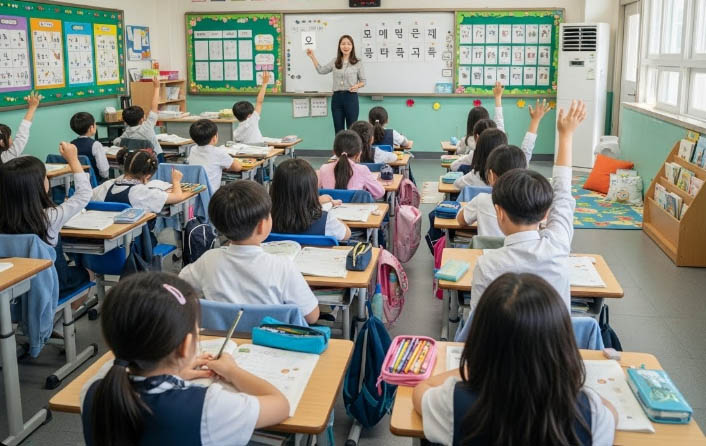
How Multicultural Kids Experience Korean Schools
As a Korean woman living here and watching classrooms slowly change, I can say this honestly: Korean schools today are not the same places they were even a decade ago. Multicultural children are no longer rare, but their experiences are still shaped by how prepared the system and the adults around them are.
For foreign parents raising children in Korea, school life is often the biggest unknown. Some worries turn out to be unnecessary. Others are very real. The truth sits somewhere in between.
First Days at School Are Usually Better Than Parents Expect
One thing that surprises many parents is how quickly children adapt. Korean kids are generally curious, not hostile. In kindergarten and early elementary school, differences in appearance or background rarely become a problem on their own.
Teachers often introduce multicultural students naturally, without making them stand out. Children tend to accept new classmates based on who shares snacks, who runs fast, and who laughs easily, not on nationality.
Language Is the Real Gatekeeper
The biggest factor in school adjustment is not race. It is Korean language ability. Children who can follow instructions, joke with classmates, and express frustration in Korean usually blend in smoothly.
Those who struggle with Korean may feel isolated, even if classmates are kind. This is why many Korean parents emphasize early language exposure. It is not about losing a second language, but about giving children confidence in daily school life.
Classroom Culture Can Feel Intense
Korean classrooms are structured, fast-paced, and academically focused. For children used to more flexible systems, this can feel overwhelming at first.
Homework, group rules, and teacher authority are taken seriously. Multicultural kids sometimes stand out not because of who they are, but because they question systems more openly. Over time, many learn when to adapt and when to speak up.
Teachers Matter More Than Policies
Officially, Korean schools support multicultural students. In reality, a child’s experience depends heavily on their homeroom teacher.
Some teachers are proactive, inclusive, and thoughtful. Others may unintentionally overlook cultural differences or assume all parents understand the system. Parents who communicate regularly with teachers usually see better outcomes for their children.
Peer Relationships Change With Age
In early grades, differences are mostly ignored. Around upper elementary and middle school, children become more aware of identity. This is when questions, jokes, or awkward comments may appear.
Most are not meant to harm, but they can affect confidence. Schools are improving their response, but family support at home remains crucial during this stage.
Multicultural Support Programs Are Growing
Many schools now offer Korean language support classes, counseling, or multicultural education sessions. Availability varies by region, but awareness is improving every year.
Parents who actively ask about these programs are more likely to receive help. Korea tends to respond better to direct questions than silent expectations.
What Multicultural Kids Gain From Korean Schools
Despite challenges, many multicultural children develop strong resilience, social awareness, and adaptability. Navigating two cultures daily builds emotional intelligence early.
Children often become natural bridges between classmates, cultures, and even teachers. This quiet leadership is something many parents notice over time.
The Role of Parents Is Bigger Than the System
The most successful school experiences usually involve parents who stay engaged without hovering. Explaining cultural differences calmly, encouraging open conversation at home, and reminding children that being different is not a weakness makes a huge difference.
Korean schools are changing, but families are often the real anchor.
Korean Schools Are Learning Too
Korea is still adjusting to diversity. Mistakes happen. Awkward moments happen. But progress is real.
Multicultural children are not just adapting to Korean schools. In many ways, they are helping Korean schools adapt to the future.