
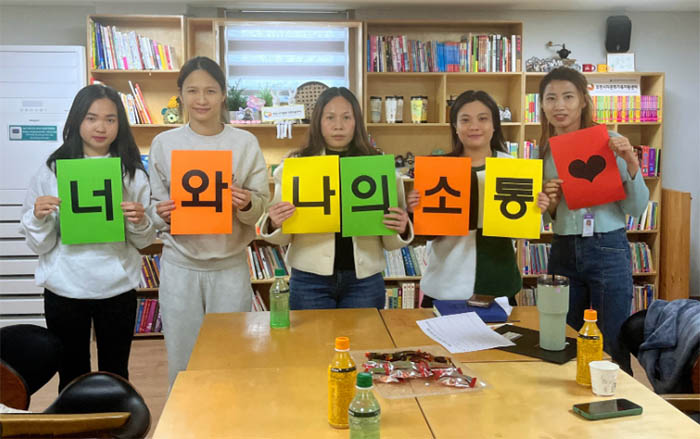
How to Build a Support Network as a Foreign Spouse: A Local Perspective from Korea
Moving to a new country for love sounds romantic, and sometimes it truly is. But after the honeymoon phase fades, many foreign spouses realize that love alone does not replace community. In Korea, where social circles are often formed early in life and tightly maintained, building a support network as a foreign spouse can feel surprisingly challenging.
As a Korean woman living here and watching many international couples navigate this journey, I have seen one truth repeat itself: foreign spouses who thrive are not necessarily the most fluent or the most outgoing. They are the ones who intentionally build support around themselves.
Here is how that actually happens in real life.
Why a Support Network Matters More Than You Think
Living abroad without emotional support can slowly wear you down. Small frustrations feel heavier. Cultural misunderstandings feel personal. Loneliness can creep in even when you are married.
A support network gives you perspective. It reminds you that your struggles are normal, shared, and temporary. More importantly, it gives you people who understand your life without long explanations.
In Korea, where daily life moves fast and social expectations are unspoken, this kind of support is not optional. It is essential.
Start with People Who Share Your Situation
One of the most effective first steps is connecting with other foreign spouses. They understand visa stress, family expectations, language fatigue, and cultural confusion because they live it too.
This does not mean isolating yourself from Koreans. It means creating a foundation where you can speak freely and recharge emotionally.
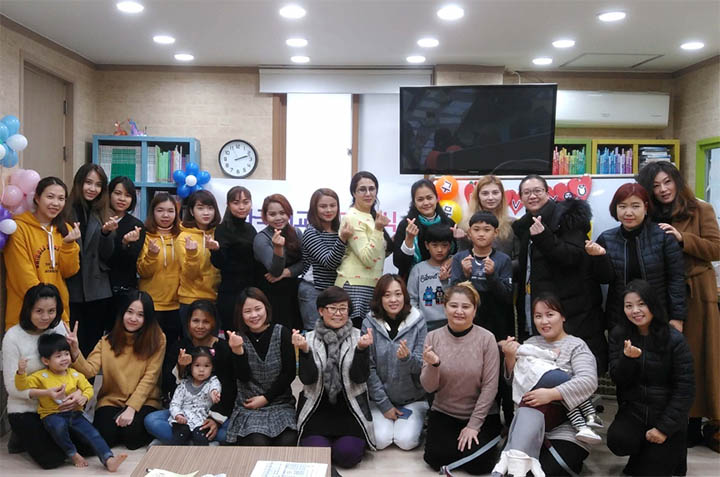
Many foreign spouses find their first real support through local community groups, language exchanges, or parenting circles. Shared experience creates trust quickly.
Use Language Learning as a Social Bridge
Learning Korean is not only about communication. It is about access.
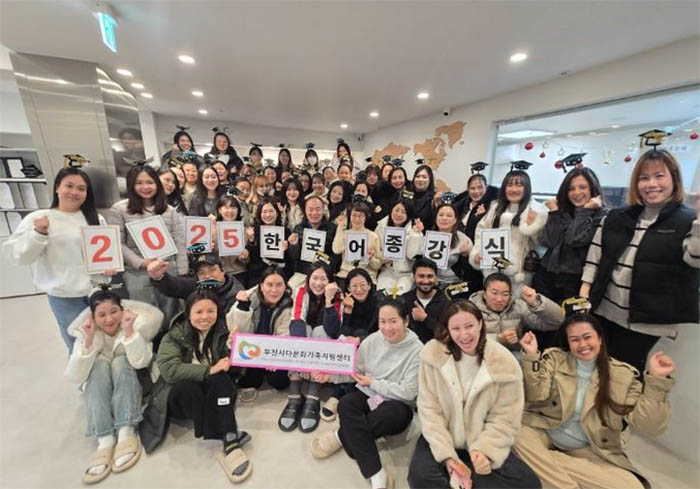
Language classes, study groups, and local programs naturally connect you with others who are also adjusting to life in Korea. These environments are low-pressure and welcoming, especially for foreigners.
Even limited Korean opens doors to casual conversations with neighbors, parents at schools, and local shop owners. Over time, these small interactions turn into familiarity, and familiarity turns into community.
Understand That Korean Friendships Take Time
Korean friendships often develop slowly. This is not rejection. It is cultural pacing.
Many Koreans hesitate to open up quickly, especially across language or cultural lines. Consistency matters more than enthusiasm. Showing up regularly, keeping promises, and respecting boundaries build trust over time.
Once that trust is built, Korean friendships tend to be deep, loyal, and long-lasting.
Get Comfortable Asking for Help
In some cultures, asking for help feels like failure. In Korea, it is often seen as honesty.
Asking questions, requesting clarification, or admitting confusion shows sincerity. People respond better when they feel trusted.
Whether it is asking another parent for advice, requesting help at a community center, or seeking guidance from a coworker, these moments often become the start of meaningful connections.
Create Your Own Small Rituals
Support networks do not have to be large. A weekly coffee with one friend, a regular walk with a neighbor, or a monthly meetup can be enough.
Consistency matters more than scale. Small rituals provide stability and something to look forward to in your week.
Many foreign spouses feel pressure to be constantly social. In reality, sustainable support comes from routines, not constant activity.
Include Your Korean Family Without Losing Yourself
Your spouse’s family can become part of your support system, but this takes time and balance.
Showing interest in family traditions, attending gatherings, and helping when appropriate builds goodwill. At the same time, it is okay to maintain emotional boundaries and personal space.
Healthy support networks include both connection and independence.
Online Communities Can Be a Lifeline
Online forums, local social media groups, and community boards are often the first place foreign spouses turn when they feel lost.
These spaces are valuable, especially during transitions like pregnancy, job changes, or visa renewals. They provide fast information and emotional reassurance.
The key is using online spaces as a bridge to real-world connections, not a replacement.
Accept That Your Network Will Change Over Time
Support networks evolve. Friends move away. Life stages shift. What worked during your first year may not fit your life later.
This does not mean you failed. It means you are growing.
Being open to change allows new connections to form naturally, without guilt or pressure.
Final Thoughts: You Are Not Meant to Do This Alone
Being a foreign spouse is a unique position. You are constantly translating culture, language, and expectations, often without realizing how much emotional labor that takes.
From a local perspective, the happiest foreign spouses are not the ones who try to adapt silently. They are the ones who allow themselves to be supported.
Building a support network in Korea takes intention, patience, and self-compassion. But once it is in place, life here becomes not just manageable, but meaningful.