
How to Get a Job in Korea After Graduation
A Korean Local’s Complete Guide for International Students
If you’re studying in Korea and hoping to build your career here after graduation, you’re not alone. Every year, more international students decide to stay in Korea because of its fast-growing industries, global companies, and dynamic work culture. But getting hired as a foreigner is not always straightforward. The system is unique, the expectations are different, and sometimes the rules feel like an RPG quest line.
As a Korean local who has watched many international students successfully find jobs here, I’m going to break down exactly how to navigate the process — realistically, clearly, and with the latest information.
Understand Korea’s Work Visa Options
Before you send a single resume, you need to know which visa will allow you to work legally. For new graduates, these are the most common:
D-10 Job-Seeking Visa
Perfect if you want time to search for a job after graduation. It gives you several months to prepare, interview, and figure out your career path.
E-7 Skilled Worker Visa
The most common visa for foreigners working in Korean companies. To qualify, you need a job that matches your major or specialized skills.
F-2 or F-4 Visas
These offer more freedom and flexibility. F-4 is available to people with Korean heritage, while F-2 can be earned through points based on age, education, income, and Korean ability.
Understanding your visa options early will save you time, stress, and unnecessary paperwork later.
Boost Your Korean Language Skills
Here’s the honest truth: speaking Korean dramatically increases your job opportunities.
Yes, global companies use English, and yes, some industries hire English-only candidates, but in most workplaces, Korean is essential.
Aim for at least TOPIK Level 4, especially if you want to work in business, marketing, engineering, or administration. Even basic speaking skills help you survive meetings, office chats, and team dinners.
Think of Korean not as a requirement, but as the skill that unlocks the “secret menu” of job opportunities.
Build a Korean-Style Resume (이력서)
Korean resumes look different from Western ones. Here’s what you need:
- A clean, one-page layout
- A professional ID photo
- Your academic background
- Certificates and language scores
- Work experience and internships
- Skills written in clear bullet points
Many companies still prefer the traditional Korean style, so tailoring your resume helps you look more prepared and professional.
Prepare for Korean Interviews
Interviews in Korea are structured, polite, and often panel-style. Expect:
- Behavioral questions
- “Why Korea?” questions
- Questions about teamwork and communication
- Korean language evaluation
- Some companies include personality tests or work aptitude tests
Show confidence, humility, and teamwork. Korean interview culture values harmony and attitude as much as skills.
Target Industries That Hire Foreigners
Some fields are especially friendly to international talent:
- IT and Software Engineering (high demand, good salaries)
- Global Marketing and International Sales
- Education and EdTech
- Game Development and Animation
- Hospitality, Tourism, and Airlines
- Trading and Logistics
- Research and Lab-Based Jobs
If you speak additional languages besides English, you become even more valuable in positions related to global markets.
Network the Korean Way
Korea is a relationship-based society. Many jobs come from recommendations or connections, not just online applications.
- Ways to grow your network:
- Attend university career fairs
- Join international student clubs
- Go to industry seminars and conferences
- Connect with alumni from your university
- Use platforms like Wanted, LinkedIn, and JobKorea
You don’t need to be outgoing — just show up, say hello, and exchange contact information. Small interactions lead to big opportunities.
Gain Experience Through Internships
Internships matter a lot in Korea. Even part-time internships give you:
- Korean workplace experience
- A stronger resume
- Valuable references
- Practical skills that match visa requirements
Many companies offer internships specifically for international students, especially in tech and global business.
Understand Korean Workplace Culture
Korean offices may feel different at first. Expect:
- Fast-paced environment
- Respect for hierarchy
- Team-focused decision making
- Occasional 회식 (team dinners)
- High emphasis on responsibility
Once you understand the rhythm, you’ll find it easier to communicate and fit in naturally.
Start Applying Before Graduation
The biggest mistake students make is waiting too long.
Many Korean companies begin recruitment months in advance, especially large corporations. Apply early, often, and consistently.
If you want to maximize your chances, start applying:
- 3–6 months before graduation
- With a polished resume
- With a clear visa plan
- With improving Korean skills
The earlier you start, the easier your transition will be.
Final Advice: Don’t Do It Alone
Korea has many resources for international job seekers:
- Your university’s career center
- Government support programs
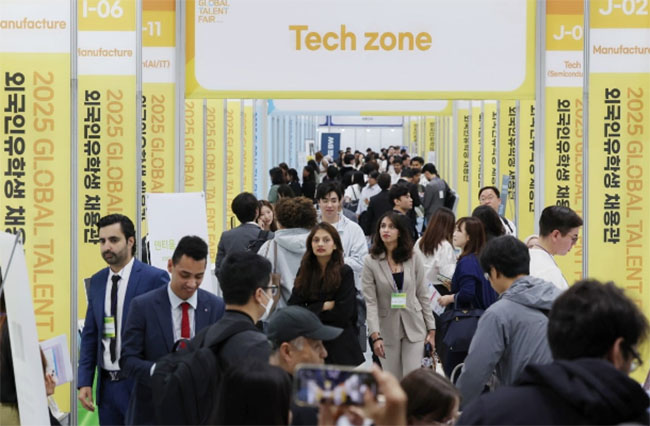
- Job fairs for foreigners
- Free visa consultations
- Language programs
- Networking communities
Use every resource available — you don’t need to figure everything out by yourself.
Finding a job in Korea is absolutely achievable. Thousands of international graduates do it every year, and with the right preparation, you can too.
Studying-korea.com will monitor the news of various job fairs held by the Korean government and companies and deliver them quickly at all times.