
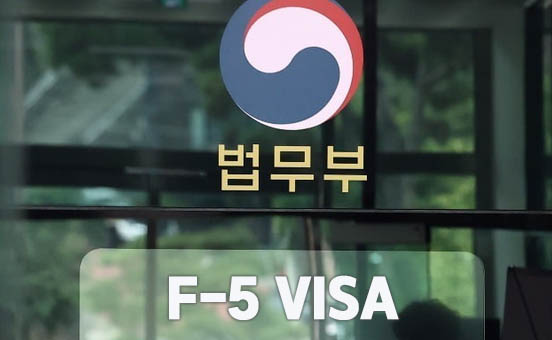
How to Get Permanent Residency Through Employment in Korea: A Local Perspective
If you have been working in Korea for a while, there is a moment when your thinking shifts. At first, everything is about contracts and visa renewals. Then one day, you start wondering whether Korea could be more than a temporary stop. That is usually when permanent residency enters the conversation.
From a Korean local’s point of view, permanent residency is not something people just apply for on a whim. It is the result of time, consistency, and showing that you truly plan to build a life here. The process is not fast, but it is clear if you understand how the system works.
What Permanent Residency Means in Korea
Permanent residency in Korea is commonly called the F-5 visa. This status allows you to live in Korea without a fixed end date and without being tied to one employer.
With permanent residency, you can work freely, change jobs without visa stress, and plan your future more confidently. Many foreigners say this is when Korea finally starts to feel like home rather than a place they are “temporarily staying.”
The Typical Employment Based Path
For most foreigners, permanent residency through employment follows a long but steady route. You usually start on a work visa that allows long-term residence, such as a specialized employment visa or another professional status.
The key requirement most people hear about is time. In general, immigration expects around five years of continuous legal residence in Korea on eligible visas. During this period, your stay should be stable, with no long gaps or repeated overstays.
This is not about rushing. Korea values continuity.
What Immigration Actually Looks For
Many people assume permanent residency is about having a high salary or a fancy job title. In reality, immigration focuses more on reliability than prestige.
They look at whether you have:
- Lived in Korea legally and continuously
- Maintained stable employment
- Paid taxes regularly
- Earned enough to support yourself
- Followed immigration and local laws
In simple terms, Korea wants to see that you are a responsible resident who contributes steadily to society.
Does Korean Language Ability Matter
You do not need to be fluent in Korean to qualify for permanent residency, but some level of integration is expected. This usually means being able to handle basic daily life and showing an understanding of Korean society.
From a local perspective, effort matters more than perfection. Even basic Korean ability shows respect and willingness to adapt, which is something immigration officers do notice.
Alternative Employment Related Routes
Not everyone follows the same timeline. Some people qualify for permanent residency sooner through specific paths such as business ownership, startup activity, or high-level professional roles.
These routes often involve stricter financial or contribution requirements, but they exist because Korea actively encourages long-term residents who bring economic value or specialized skills.
If your situation is more complex, long-term planning becomes even more important.
What the Application Process Feels Like
The application itself is not dramatic, but it is detailed. You will need to prepare documents that prove your residence history, employment, income, and legal status.
Processing takes time, and patience is essential. Many successful applicants say the hardest part is not the paperwork, but waiting calmly while everything is reviewed.
Life After Permanent Residency
Once you receive permanent residency, daily life becomes noticeably easier. You are no longer dependent on a single employer for your visa, and career decisions feel less risky.
For many people, this status makes long-term goals like housing, family life, and career growth much more realistic.
Common Misunderstandings
A few misunderstandings come up again and again.
Having a job alone does not guarantee approval.
A degree by itself is not enough.
High income helps, but consistency matters more.
Frequent visa changes or long absences can slow progress.
Permanent residency rewards stability, not shortcuts.
Final Thoughts from a Korean Local
From inside Korea, permanent residency through employment is seen as a relationship built over time. It reflects trust between you and the country.
If you work steadily, follow the rules, and genuinely integrate into life here, permanent residency is an achievable and meaningful goal. It may take years, but for many foreigners, it becomes one of the most rewarding milestones of their life in Korea.