
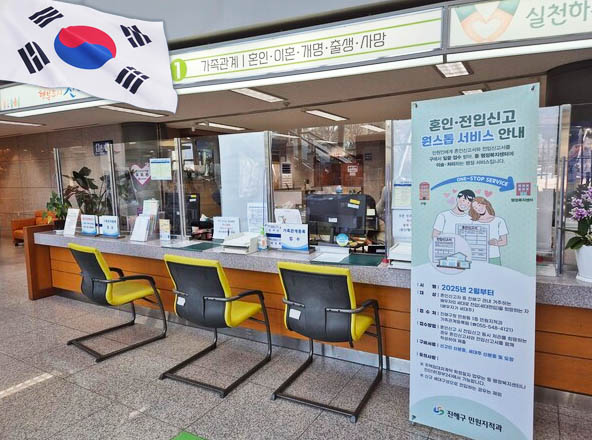
How to Register a Marriage at the Local Gu-cheong (District Office)
A Step-by-Step Guide from a Korean Local
If you’re planning to get married in Korea, this is the part that truly matters. Not the wedding hall, not the photos, not even the ceremony. What makes your marriage legally real in South Korea is registering it at the local Gu-cheong, also known as the district office.
I’ve seen many foreign friends surprised by how simple yet unfamiliar this process feels. From a Korean local’s point of view, it’s very straightforward once you understand how Korean administration works. Let me walk you through it in plain, human language.
What a Gu-cheong Is and Why It Matters
A Gu-cheong is a district office that handles resident records, family registration, and civil matters. Marriage registration falls under this category.
In Korea, marriage is not automatic. Even if you had a religious or civil ceremony, you are not legally married until your information is entered into the government system through this office. Once registered, your marriage immediately appears in official family records.
Who Can Register the Marriage
Both partners do not always need to be Korean, but at least one partner must be registered in Korea or have valid residency.
Typically:
- A Korean citizen and a foreigner register together
- Two foreigners can register if they meet residency and document requirements
Most couples go in person, but it’s also possible for one partner to submit the registration with all documents prepared.
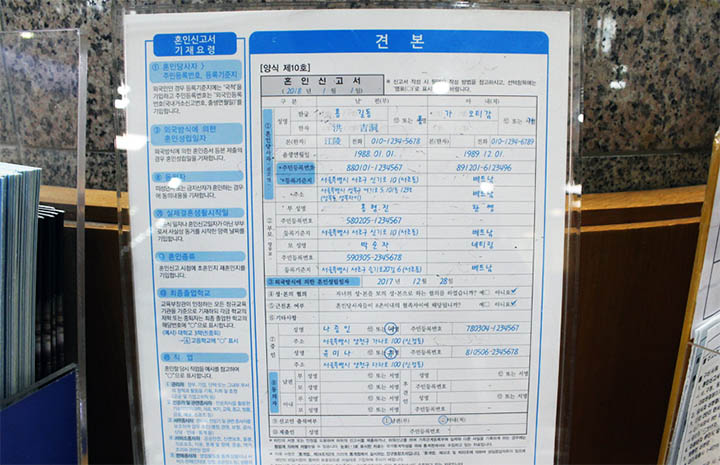
Documents You Should Prepare in Advance
This is the part where preparation saves you the most time.
You will generally need:
- Passports or Korean ID cards
- Proof of marital status for the foreign partner
- Korean translations of all foreign documents
- Marriage registration form
- Witness information (usually two adults)
Foreign documents must be officially translated into Korean. Some district offices are flexible, others are strict. When in doubt, professional translation avoids repeat visits.
What Happens on the Day You Visit the Gu-cheong
When you arrive, you take a number and wait. The process itself is surprisingly calm.
You submit your documents, the officer checks them carefully, and may ask a few basic questions. This is not an interview. It’s more about confirming names, birthdates, and legal eligibility.
If everything is correct, your marriage is accepted on the spot. Processing time can range from same day to a few business days, depending on the office.
Do You Need to Speak Korean?
This is a common worry. Some Gu-cheong offices in larger cities have staff comfortable with basic English, but many do not.
Bringing a Korean-speaking partner or friend helps a lot. The forms themselves are in Korean, and understanding small details matters. That said, the process is routine for staff, and they are usually patient with international couples.
After the Marriage Is Registered
Once your marriage is registered:
- Your Korean spouse’s family registry is updated
- You can request official marriage certificates
- You can use the registration for visas, banking, and legal matters
Many foreigners are surprised at how quickly life administration changes once the registration is complete.
Common Mistakes Foreigners Make
From what I’ve seen, these are the most common issues:
- Missing translations
- Assuming a ceremony equals legal marriage
- Visiting the wrong district office
- Not checking document validity dates
Avoiding these saves you multiple trips and unnecessary stress.
A Local Tip That Makes Things Easier
Go in the morning. Korean district offices are busiest in the afternoon, especially on Mondays and Fridays. Early visits are calmer, and staff tend to have more time to explain things properly.
Final Thoughts
Registering a marriage at a Gu-cheong is one of those very Korean experiences. It’s procedural, orderly, and quietly important.
Once you understand that marriage in Korea is about registration, not celebration, everything clicks into place. Prepare your documents carefully, bring someone who can help with Korean if needed, and treat it as an administrative step rather than an emotional one.
Handled properly, it’s one of the simplest parts of getting married in Korea.