
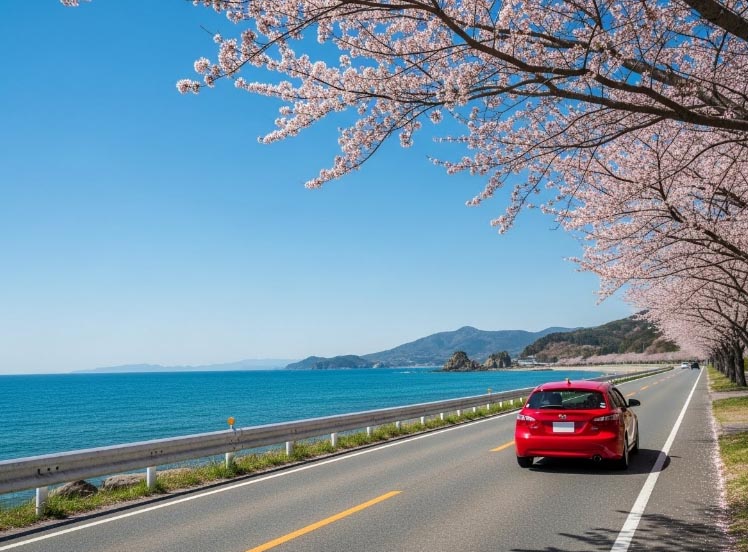
How to Rent a Car in South Korea
A Local Korean’s Practical Guide
South Korea is a country of stunning seasonal shifts, diverse landscapes, and efficient public transportation. For most visitors, buses and trains are incredible ways to explore. But if you’re the kind of traveler who loves flexibility, scenic drives, and exploring hidden countryside gems on your own schedule, renting a car in Korea can be one of the most rewarding travel decisions you make.
As someone living here and watching both foreigners and locals hit the road, I’ll walk you through the entire process — from legal requirements and rental agencies to driving tips and costs — in a way that feels clear, friendly, and practical.
Why You Might Want to Rent a Car in Korea
Before we dive into the practical steps, let’s talk about why you might choose to rent a car:
- Explore rural and mountainous regions — places where public transit is limited
- Visit seasonal attractions like waterfalls, national parks, or coastal drives
- Travel with family or in a group — sometimes cheaper than individual tickets
- Jeju Island exploration — one of the most popular self-drive destinations
Overall, driving gives you freedom and flexibility that public transit can’t always match.
Legal Requirements for Renting and Driving
International Driving Permit (IDP)
If you’re visiting from abroad, you usually need an International Driving Permit (IDP) plus your home country’s driver’s license. Korea recognizes IDPs issued under the 1949 Geneva Convention.
Important: IDPs issued in some countries (e.g., Canada or the US) work fine in Korea. But IDPs issued in countries that use the 1968 Vienna Convention may not be recognized here. Always check before you travel.
Passport and Visa
Along with your IDP and home license, you’ll need:
- Passport
- Visa (if required)
- Credit card for deposit (usually required by major rental companies)
No permanent Korean driver’s license is needed for short stays if you have the correct IDP.
Where to Rent a Car
Korea has many reputable rental companies. Major international brands like Hertz, Avis, and Budget operate here, but local companies such as AJ Rent-a-Car, Lotte Rent-a-Car, and SK Rent-a-Car often offer competitive pricing and excellent service.
Most rental desks are located at:
- Incheon International Airport (easy start upon arrival)
- Gimpo Airport
- Major city centers (Seoul, Busan, Daegu, etc.)
- Jeju Airport and Jeju City
Booking in advance online is smart — especially during peak seasons like cherry blossom spring or autumn foliage months.
How to Book a Rental Car
You have two main booking paths:
1. Booking Through Aggregator Websites
Websites like Rentalcars, Kayak, or local Korean portals let you compare:
- prices
- insurance options
- vehicle types
- additional drivers
This option often gives you the best overview of availability and pricing.
2. Booking Directly With Rental Company
Some travelers prefer booking directly through the rental company’s local website or customer service. This can be useful if you want specific add-ons like GPS with English navigation, child seats, or additional insurance packages.
Either way, make sure to check:
- Fuel policy (full-to-full is easiest)
- Insurance coverage
- Mileage limits
- Pickup and drop-off locations
Picking Up the Car: What to Expect
When you arrive at the rental desk, be prepared to show:
- Passport
- International Driving Permit + original driver’s license
- Credit card (for deposit)
- Reservation confirmation
Staff will walk you through the contract, insurance options, and any add-ons. Korean rental companies often provide English-friendly contracts and assistance, but it never hurts to ask questions if anything feels unclear.
Driving in Korea: Practical Tips
1. Understand Road Signs and Rules
Most highway signs have English translations, and basic rules are similar to many countries:
- Drive on the right
- Seat belts mandatory
- Speed limits vary from 80–100 km/h on highways and 50–60 km/h in cities
Still, it’s wise to brush up briefly on Korean driving rules before you go.
2. Parking
In big cities like Seoul and Busan, parking can be:
- Paid (metered) near downtown areas
- Paid parking lots near attractions
- Free or cheaper in rural or suburban areas
Look for parking apps or kiosks with English options.
3. Navigation
Most rental cars have GPS, and you can usually request an English-language unit. Additionally, apps like Naver Map or Kakao Map are extremely accurate — though they may require setup before your trip.
4. Tolls
Korean expressways have toll booths. Many rentals come with automated toll payment devices (Hi-Pass) so you don’t need to stop at every booth — it can save time and frustration.
Costs: What to Expect
Rental Rates
Car rental prices vary by:
- Season (spring and autumn peak travel)
- Vehicle type (compact vs SUV)
- Rental duration (discounts often for longer rentals)
Typical daily rental costs might be:
- Compact car: 40–70 USD/day
- Mid-size: 70–100 USD/day
- SUV: 90–130 USD/day+
Prices increase if you choose add-ons like Wi-Fi routers, GPS, additional insurance, or child seats.
Fuel Costs
Gas prices in Korea can be higher than in some countries. Expect to pay around 1.4–1.7 USD per liter. Diesel may be slightly cheaper.
Insurance
Basic insurance is typically included, but consider additional coverage for peace of mind — especially if you’re unfamiliar with local driving conditions.
Driving in Jeju vs Mainland Korea
Jeju Island
Jeju is a favorite self-drive destination because:
- Roads are scenic and well-maintained
- Public transport is less convenient than cities
- Attractions like waterfalls, coastal cliffs, and lava tubes are spread out
Renting a car on Jeju usually feels worth it for travelers spending several days there.
Mainland Korea
Cities like Seoul and Busan have excellent public transport, but a car becomes useful for:
- National parks like Seoraksan or Jirisan
- Rural regions where buses and trains are less frequent
- Multi-city road trips (e.g., Seoul → Andong → Gyeongju → Busan)
Plan your driving routes and parking — it’s a bit different from city-center logic and worth factoring into your itinerary.
Returning the Car
Return procedures are usually straightforward. Just make sure you:
- Fill up the tank if required by your rental agreement
- Confirm there’s no damage or fines pending
- Keep your receipts
Most rental companies will refund your deposit (minus the rental and fees) within a few business days.
Final Thoughts: Is Renting a Car Worth It?
Renting a car in South Korea isn’t necessary for every traveler — but for those who want flexibility, scenic drives, or visits to regional attractions, it’s a wonderful option. With efficient highways, readable signs, and reliable rental services, Korea is more self-drive friendly than many first-time visitors expect.
Whether you’re planning a coastal road trip on Jeju, a countryside escape through Andong, or a blend of city and nature, renting a car can give your Korean travel experience a special kind of freedom.