
How to Travel from Seoul to Busan (KTX vs. Bus)
A Korean Local’s Practical Guide
Seoul and Busan are two icons of South Korea — one bustling and cosmopolitan, the other vibrant and coastal. For travelers wanting to see both, the question always comes up: Should you take the KTX (high-speed train) or the intercity bus? Both are reliable and comfortable, but each has its own advantages depending on your priorities: cost, speed, scenery, comfort, and convenience.
As a local living in Seoul who has traveled this route many times, I’ll break down everything you need to know in a way that’s clear, honest, and useful for planning your trip.
Overview: Distance and Travel Time
Seoul and Busan are separated by roughly 325 kilometers (about 200 miles). On paper, that’s not far, but in terms of travel time, the method you choose matters.
Here’s a quick snapshot:
- KTX (High-Speed Train): 2 hours 45 minutes to 3 hours
- Intercity Bus: 4 hours 30 minutes to 5 hours 30 minutes
- Driving: Around 4.5 hours (depending on traffic)
Let’s look at each method in detail.
KTX: Fast, Comfortable, Efficient
What Is the KTX?
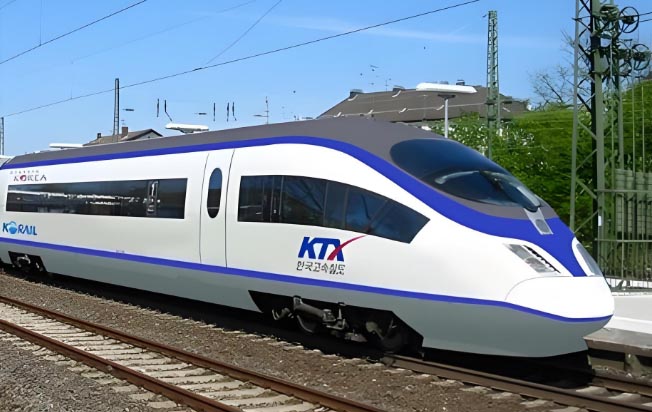
The Korea Train eXpress (KTX) is South Korea’s high-speed rail service. It’s modern, clean, and fast — a favorite even among Koreans for intercity travel.
Why Travelers Love the KTX
1. Speed
This is the quickest way to get from Seoul to Busan. If time is limited, the KTX wins easily.
2. Comfort
Seats are spacious compared to an average regional train or bus. You can work, relax, or nap without feeling cramped.
3. Reliability
KTX runs on schedule, and delays are rare.
4. Scenic Views
While not a slow scenic route, you’ll still catch glimpses of Korea’s countryside — rolling fields, bridges, and mountains — without sacrificing time.
Practical Details
- Departure stations: Seoul Station, Yongsan Station
- Arrival station: Busan Station
- Typical fare: Around 60–70 USD one way for standard seats
- Booking: You can reserve online via Korail or at the station
Best For
- Travelers with tight schedules
- First-time visitors wanting comfort and efficiency
- Those who prefer a relaxed but fast ride
Intercity Bus: Budget-Friendly and Flexible
What Are Intercity Buses Like?
Korea’s intercity buses run between major cities and towns. They are clean, safe, and well-organized — and they often cost less than the KTX.
Why You Might Choose the Bus
1. Lower Cost
Bus tickets to Busan typically run between 20–30 USD one way — significantly cheaper than the KTX.
2. Multiple Departure Points
Buses leave from several terminals in Seoul, including:
- Seoul Express Bus Terminal
- Central City Terminal
- Dong Seoul Bus Terminal
This can be convenient depending on where you’re staying.
3. Scenic Comfort
Highway buses in Korea are surprisingly comfortable. Many offer reclining seats, free bottled water, and even onboard restrooms.
Practical Details
- Travel time: 4.5–5.5 hours depending on traffic
- Fare: Around 20–30 USD
- Booking: Ticket counters at terminals or online apps
Great For
- Budget travelers
- Flexible itineraries with luggage needs
- Those who don’t mind slightly longer travel time
KTX vs. Bus: A Side-by-Side Comparison
| Feature | KTX High-Speed Train | Intercity Bus |
| Travel Time | 2.75–3 hrs | 4.5–5.5 hrs |
| Cost | Higher (~60–70 USD) | Lower (~20–30 USD) |
| Comfort | Very high | Moderate |
| Convenience | Very high | Moderate |
| Scenic Views | Moderate | Moderate |
| Best For | Fast travel, first visit | Budget travelers |
Tips for Choosing the Best Option
1. Consider Your Schedule
If you only have a week and want to explore Seoul and Busan without rushing, the KTX is worth the price. Saving time often means more experiences.
If you have more days and want to stretch your budget, the bus is a perfectly comfortable and reliable choice.
2. Book Early for Better Seats
KTX seats can fill up quickly, especially on weekends and holidays. Booking a few days in advance online can secure better seats and peace of mind.
Buses have frequent departures, but popular times (Friday evenings, Sunday afternoons) still fill up fast, so reserving seats is wise.
3. Think About Your Luggage
If you’re carrying heavy luggage or a lot, buses often have generous luggage space underneath. KTX has overhead racks and designated luggage areas, but space can feel tighter during peak travel.
Optional Alternatives
Plane
Domestic flights between Seoul and Busan take about 1 hour — but when you factor in airport transfers and security checks, the time advantage becomes less clear.
However, if you find a good flight deal, it can be worth it.
Driving
Renting a car is feasible, but traffic and parking can be tricky in city centers. It’s more popular for travel outside major cities.
Final Thoughts from a Local Traveler
Both the KTX and the intercity bus are excellent ways to travel from Seoul to Busan. If this route is a highlight of your trip, here’s a simple rule:
- If speed and simplicity matter most, choose KTX.
- If budget and flexibility matter more, choose the bus.
No matter how you travel, both options offer safe, efficient, and pleasant experiences — very Korean at heart.
Korea’s transport system makes travel easy. So pack your bags, pick your route, and get ready to enjoy everything from Seoul’s skyline to Busan’s sea breeze.