
How to Travel Korea on a Budget
Many travelers assume Korea is expensive.
Compared to Southeast Asia, prices can feel higher. Compared to Japan or Western Europe, Korea often surprises people by being more affordable than expected. The truth sits somewhere in the middle.
As a Korean local, I see travelers overspend not because Korea is expensive, but because they do not know how daily life here works.
Traveling Korea on a budget is absolutely possible. You just need to spend money the way locals do, not the way tourists think they should.
This guide explains how to save money in Korea without turning your trip into a compromise.
Understanding the Real Cost of Traveling in Korea
Before talking about tips, it helps to reset expectations.
Korea is a developed country with modern infrastructure, excellent transportation, and high safety standards. Budget travel here is about being smart, not cutting corners.
You can eat well, move easily, and sleep comfortably without spending much if you know where to look.
Local truth. Korea rewards informed travelers.
Transportation Save More Than You Expect
Public transportation is one of the biggest advantages for budget travelers in Korea.
Subways and buses are reliable, clean, and inexpensive. You can cross an entire city for the price of a coffee in some countries.
Buying a T Money card is essential. It works nationwide on subways, buses, and even some taxis. Transfers are discounted automatically, which saves money every day.
Avoid taxis unless it is late at night or you are splitting the fare. Locals almost always use public transport during the day.
Local perspective. If you are using taxis often, you are probably overspending.
Eat Like Locals Not Like Tourists
Food is where budget travel in Korea truly shines.
You do not need expensive Korean barbecue or trendy restaurants every night. In fact, most locals eat at small neighborhood places.
Look for restaurants filled with office workers around lunchtime. These places offer hearty meals at reasonable prices. Menus are often short, focused, and seasonal.
Street food is also affordable and filling. Markets, subway stations, and busy shopping streets are full of good options.
Even convenience stores deserve credit. Ready meals, kimbap, noodles, and snacks are cheap, tasty, and surprisingly good.
Local truth. Some of the best meals in Korea cost very little.
Accommodation Spend Smart Not Cheap
Accommodation is usually the biggest expense, but Korea offers many budget friendly options.
Guesthouses, hostels, and budget hotels are clean, safe, and well maintained. Many include free breakfast, laundry facilities, and shared kitchens.
Location matters more than luxury. Staying near a subway station saves time, energy, and transportation costs.
Do not assume cheaper areas are better. Long commutes cost more in the long run.
Local perspective. A small room in a good location beats a big room far away.
Free and Low Cost Attractions Are Everywhere
Korea is excellent for travelers who enjoy walking and exploring.
Many of the best experiences cost nothing. Neighborhoods, markets, temples, parks, riverside paths, and historic streets are free to enjoy.
Palaces and museums are very affordable, and some are free on certain days. Hiking trails are well marked and accessible even inside cities.
Simply walking through different neighborhoods teaches you more about Korea than rushing between paid attractions.
Local truth. Korea is best experienced slowly.
Shopping Without Overspending
Shopping can quietly destroy a budget if you are not careful.
Tourist heavy areas often sell the same products at higher prices. If you want souvenirs, look beyond main streets and explore side alleys.
Local markets offer better prices and more interesting items. Stationery shops, underground shopping centers, and local malls are often cheaper than famous shopping districts.
Skincare and cosmetics are tempting, but it helps to set limits before entering the store.
Local tip. Decide what you want before shopping, not after.
Travel Between Cities the Budget Friendly Way
Korea’s high speed trains are excellent but not always necessary.
If you book early, KTX can be reasonable. But express buses are often much cheaper and still comfortable. They run frequently and connect almost every city.
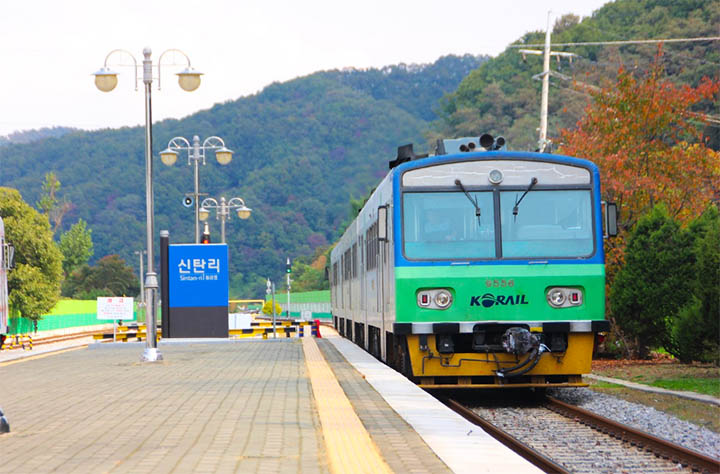
Slower trains are also clean and reliable, though they take more time.
Local perspective. Buses are underrated by tourists and loved by locals.
Avoid Tourist Traps Gently
Tourist traps exist, but they are easy to spot.
Restaurants with overly aggressive staff, menus only in English with photos of everything, or prices that feel strangely high are signs to pause.
This does not mean all tourist areas are bad. Just be selective.
Often, walking one block away from a main street leads to better food and lower prices.
Local truth. The best places rarely shout for attention.
Seasonal Timing Can Save You Money
When you travel matters.
Spring and autumn are popular and slightly more expensive. Winter is colder but cheaper, with fewer crowds. Summer can be humid but offers better accommodation deals in some areas.
Festivals and holidays increase prices and crowds, so plan accordingly.
Local perspective. Shoulder seasons are underrated.
Daily Habits That Save Money Without Thinking
Carry a reusable water bottle. Tap water is safe.
Walk whenever possible. Cities are walkable.
Use convenience stores for snacks.
Limit coffee breaks. Cafe culture adds up quickly.
These small habits make a big difference over time.
Local truth. Budget travel is built on small choices.
So How to Travel Korea on a Budget
From a Korean local’s point of view, budget travel in Korea is not about doing less.
It is about doing things the local way.
Use public transportation, eat where locals eat, stay in practical locations, and slow down. Korea becomes affordable when you stop trying to experience everything at once.
Travel smart, not cheap.
Final Local Advice
Do not let money anxiety shape your entire trip.
Korea is a country where comfort, safety, and efficiency are built into daily life. That already saves you money in ways you might not notice.
If you approach Korea with curiosity instead of fear of spending, you will naturally make better choices.
And those choices will lead to a richer experience.