
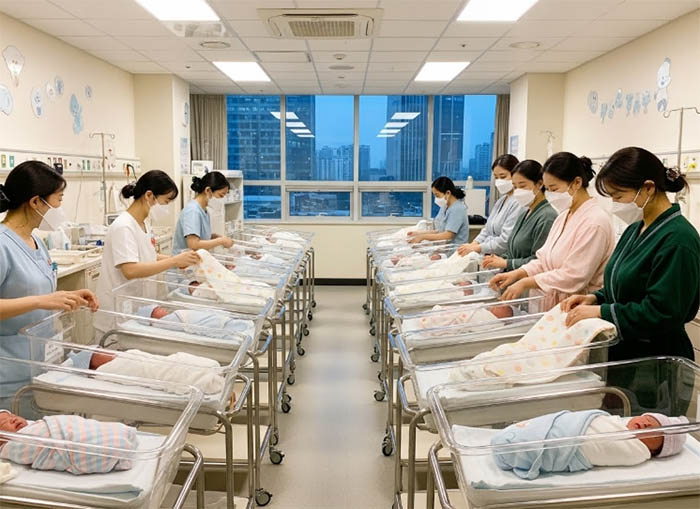
I’ll Tell You About the Support Fund for Postpartum Care Centers in Korea
Giving birth brings immense joy — and often, a fair amount of stress about recovery, baby care, and costs. In Korea, one of the unique aspects of maternal support is the widespread use of postpartum care centers (sanhujoriwon), where new mothers stay for a few weeks to recover after childbirth. These centers are highly regarded for hands-on physical care, breastfeeding support, emotional guidance, and real rest.
But here’s the real question many foreign residents ask: Does the Korean government help with the cost? The answer is yes — and I’d like to explain how the support fund for postpartum care centers works, who is eligible, and what you should know before planning your stay.
Why Postpartum Care Support Exists
In Korea, postpartum recovery is considered an essential phase of maternal health. Unlike many countries where new mothers return home immediately, Korean culture and health policy recognize that the first weeks after birth are physically and emotionally demanding. As a result, postpartum care centers have become a standard part of maternal care here.
Over time, the government has developed financial support programs to help families afford these services — partly in response to rising childbirth costs and partly to encourage healthier recoveries for mothers and babies.
Who Can Get the Support Fund?
The support fund is generally aimed at mothers who have given birth in Korean hospitals and are using certified postpartum care centers. It is especially helpful for:
- Korean citizens
- Foreign residents with valid Korean residency status
- International spouses of Korean citizens
- Foreigners who gave birth under recognized medical care in Korea
The exact eligibility criteria can depend on your residency status, health insurance coverage, and the specific terms of the support policy in place at the time.
How Much Support Is Available?
The amount of financial support varies depending on the municipality and the year’s policy updates, but here are the typical frameworks:
- Partial subsidies that cover some portion of your stay at an approved postpartum care center
- Support that increases if you use certified facilities
- Additional amounts for families with lower income or special needs
The key thing to remember is that this support is usually a reimbursement or subsidy, not free money upfront. That means you typically pay the center first and then submit receipts and documents to your local government office for repayment.
How the Application Process Works
Applying for the postpartum care support fund in Korea usually involves these steps:
Choose an Accredited Postpartum Care Center
Make sure the center is recognized by local health authorities. Not all facilities qualify for government subsidies.
Keep All Receipts and Documents
You’ll need official invoices from the care center, proof of payment, and your medical birth certificate.
Visit Your Local Community Service Center (Dong Office)
Bring your documents, identification, residency card, and insurance information.
Submit the Application Form
Officials review your application and determine how much subsidy you receive.
Receive Reimbursement or Subsidy Payment
Once approved, funds are typically transferred to your bank account or provided as a direct reduction of costs.
The process is usually not complicated, but it helps to start early — ideally before your due date — so you can understand what your local office requires.
What Costs Are Covered
Postpartum care support funds usually help with part of your room charges and care service fees at an accredited center. They do not typically cover:
- Travel expenses
- Baby products (diapers, clothes, etc.)
- Medical examination fees not associated with your stay
The exact breakdown depends on local policies, but most centers happily guide mothers through the application since they work with the subsidy system regularly.
Why Foreign Moms Notice the Difference
When foreign women experience postpartum care in Korea with support subsidies, the reaction is often one of pleasant surprise. Here’s why:
- You get structured rest, a luxury not common in many countries
- Professional caregivers help with breastfeeding, baby care, and recovery
- The financial support makes what would be a heavy expense much lighter
- It allows partners to return to work sooner, reducing stress for the family
Many foreign mothers tell me they didn’t expect this level of organized support, and that having time to heal — without juggling chores or visitors — made a significant difference in their early days as parents.
A Little Local Insight
In Korea, postpartum care support isn’t just about money. It’s about creating an environment where a new mother can focus on her health and bonding with her baby. Doctors, nurses, and care center staff often collaborate to make sure moms are getting gentle physical therapy, nutrition support, and emotional encouragement.
This is why the sanhujoriwon experience — especially when partly subsidized — is praised not just for luxury, but for health outcomes.
Final Thoughts
Understanding the support funds for postpartum care centers in Korea helps you plan both financially and emotionally. Whether you are a Korean mother or an international resident, this support system reflects a cultural appreciation for maternal health that many foreign women find refreshing and deeply meaningful.
If you’re planning a family in Korea or considering childbirth here, do your homework early. Talk to your local community service center, ask about accredited postpartum care centers, and keep all receipts and documentation ready.
With the right information and preparation, Korean postpartum care support can turn a challenging time into a period of rest, learning, and healing — and that’s something every new parent deserves.