
Is South Korea Expensive for Tourists?
A Local Korean’s Honest Guide to Costs and Value
As someone who lives in Seoul and enjoys showing Korea to overseas visitors, I hear this question all the time: “Is Korea expensive?” The simple answer is yes and no, depending on how you plan your trip. South Korea can be expensive in some areas, but it can also be surprisingly affordable — especially compared with other popular destinations like Japan, Western Europe, or the United States.
Let’s break it down from a local’s perspective so you can see where your money goes, how to save, and where it’s worth spending a little more.
Flights and Timing: The First Cost Consideration
Before we even land in Korea, airfare can make the biggest dent in your travel budget. Flight prices vary greatly depending on:
- Departure city
- Season (spring and autumn are peak travel times)
- Booking timing
If you book early and travel outside peak holiday periods, you can often find reasonably priced flights. Last-minute bookings or traveling during peak cherry blossom or autumn leaf seasons tend to be more expensive.
So yes — flights can be pricey, but with smart planning and flexible dates, they don’t have to break the bank.
Accommodation: Budget to Luxury
Accommodation in Korea ranges from budget to ultra-luxury:
- Guesthouses and hostels (20–40 USD per night)
- Business hotels (60–120 USD per night)
- Mid-range hotels (120–220 USD per night)
- Luxury hotels (220 USD and up)
Compared to Tokyo or Paris, Korea’s mid-range and budget options are quite competitive. If you’re traveling alone or on a tight budget, guesthouses and affordable hotels in areas like Hongdae or Myeongdong are great value.
In Seoul, you’ll find that staying near major attractions or public transport can save you time and money — sometimes even more than cost savings on accommodation further out.
Food: Affordable and Delicious
One of the best things about Korea is food prices. Eating out doesn’t have to be expensive. Street food, local eateries (“pojangmacha” stalls), and casual restaurants offer high-quality meals at very reasonable prices.
Typical costs (Seoul examples):
- Street food snack: 2–5 USD
- Lunch at a local restaurant: 6–12 USD
- Korean barbecue dinner: 15–30 USD
- Coffee in a café: 3–6 USD
High-end restaurants and fine dining will cost more, but if you eat like most Koreans do — in everyday local spots — you’ll find food to be one of the most affordable and enjoyable parts of your trip.
Transportation: Efficient and Cost-Effective
Korea has one of the best public transport systems in the world. Trains, subways, and buses are clean, safe, and reasonably priced.
Typical fares:
- Seoul subway ride: around 1–2 USD
- Intercity bus or train: varies by distance, but economical compared to flights or local trains in many Western countries
- KTX high-speed train (Seoul to Busan): 40–60 USD
Taxis are also quite affordable compared to many Western countries, especially for short distances. If you plan to travel beyond Seoul, buses and trains are excellent value — and scenic too.
Attractions: Free to Paid Options
Korea has a mix of free and paid attractions:
Free or low-cost experiences:
- Many palaces, especially on specific days
- Traditional markets
- Hiking trails and national parks
- Riverside parks like Seoul’s Han River
Paid attractions:
- Museums and exhibitions (usually around 5–15 USD)
- Theme parks like Everland or Lotte World (admission 30–50 USD)
- Observatories and lookout decks (15–25 USD)
Korea’s cultural heritage sites are often more affordable than similar attractions in Western Europe, and the quality of curation and maintenance is excellent.
Shopping: Splurge or Browse
Shopping in Korea can be as expensive or affordable as you like:
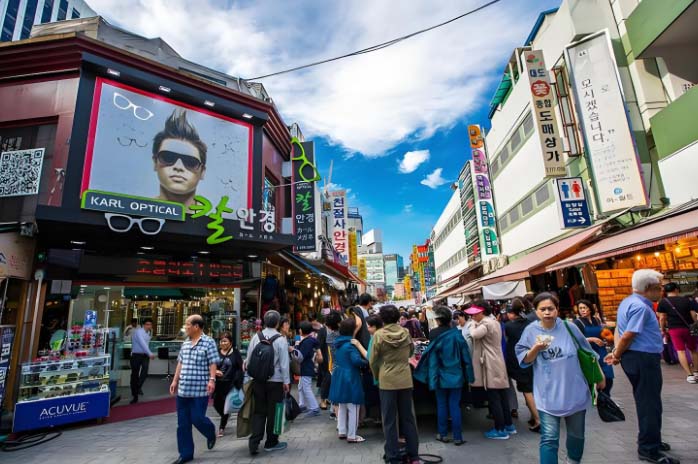
- Fashion districts (Myeongdong, Dongdaemun): mid-range to high-end clothing
- Duty-free shops: competitive prices for luxury goods
- Traditional markets (Namdaemun, Gwangjang): local crafts, souvenirs, and street food
Korea’s beauty and skincare products are often cheaper than in many Western countries, making them a popular splurge for tourists.
Entertainment and Nightlife: Flexible Budgeting
Korea’s entertainment varies widely in price:
- K-Pop concerts: can be expensive, but unforgettable
- Noraebang (karaoke): affordable and fun for groups
- Night cafes and themed bars: mid-range pricing
You can focus on budget nightlife — like walking around vibrant districts — or splurge on performances and shows depending on your interests.
Daily Budget Breakdown (Approximate)
Here’s a realistic idea of daily costs:
Budget Traveler:
- Meals: 15–25 USD
- Transport: 5–15 USD
- Activities: 10–20 USD
- Accommodation (hostel/guesthouse): 25–40 USD
Total Per Day: 55–100 USD
Mid-Range Traveler:
- Meals: 30–50 USD
- Transport: 10–25 USD
- Activities: 20–40 USD
- Accommodation: 80–150 USD
Total Per Day: 140–265 USD
Of course, costs vary by city and travel style, but this gives a fair benchmark.
Tips to Save Without Missing Out
- Eat where locals eat — not only cheaper but often tastier
- Use public transport instead of taxis for daily travel
- Book tours and transport early to lock in lower prices
- Look for free cultural events and exhibitions — many cities host these year-round
Is Korea Expensive Compared to Other Destinations?
Compared to countries like Japan or Western Europe, Korea is generally more affordable, especially for food and transport. If you’re comparing Seoul to New York or London, daily living costs can feel much friendlier here.
At the same time, Korea is more expensive than some Southeast Asian destinations. So yes — it depends on what you compare it to and how you choose to spend your money.
But here’s the honest local truth:
South Korea offers excellent value for what you get — world-class infrastructure, safe and clean cities, delicious food at every price point, and cultural experiences you won’t find anywhere else.