
K-Dramas That Define Modern Korean Culture
If you want to understand modern Korea beyond travel guides and TikTok trends, start with K-dramas. As a Korean local, I’ve seen how certain dramas don’t just entertain—they shape conversations, influence fashion, spark social debates, and even shift how Koreans view love, work, and family. These shows aren’t just hits; they’re cultural touchstones that reflect the heart of today’s Korea.
Here’s a curated guide to the K-dramas that genuinely define modern Korean culture, especially for international viewers eager to understand the country through stories we grew up with.
Why K-Dramas Reflect Today’s Korea
Korea changes fast—trends, values, lifestyles. But dramas capture these shifts in real time. They show:
- How Koreans navigate work pressure, relationships, and identity
- Social issues we talk about daily
- Humor, emotions, and habits you’ll actually see in real life
- New generations challenging old norms
Think of them as cultural crash courses wrapped in addictive storytelling.
Dramas That Shaped Modern Korean Identity
Reply 1988(응담하라 1988)
Even though it’s set in the 80s, no drama captures modern Korean values—community, family bonds, nostalgia—better than this one. Koreans still quote it, debate the love-line, and tear up at family scenes. It’s a national comfort blanket.
Crash Landing on You(사랑의 불시착)
This drama sparked conversations about North–South relations, Korean identity, and the idea of destiny in modern romance. It also turned paragliding, North Korean dialects, and homemade kimchi into global talking points.
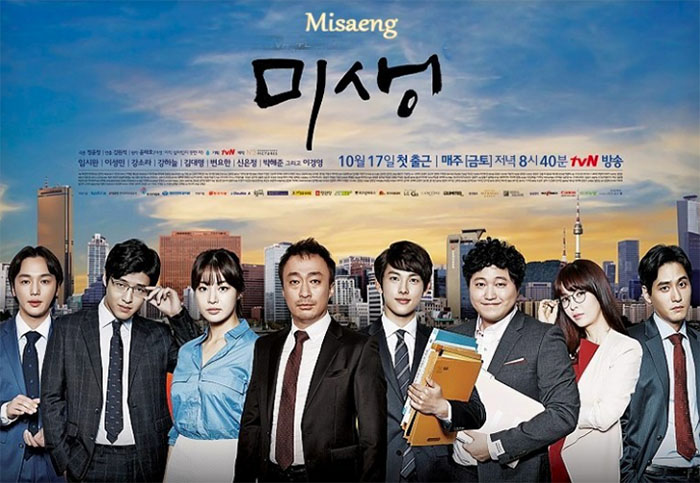
Misaeng: Incomplete Life(미생)
If you want to understand Korean work culture, this is the show. It’s painfully realistic, from office politics to late-night convenience store dinners. Koreans saw themselves in every episode.
My Mister(나의 아저씨)
A quiet but powerful drama that explores loneliness, class pressure, and emotional healing. It resonated deeply with Koreans dealing with burnout and societal expectations. One of the most respected works of the last decade.
Sky Castle(스카이 캐슬)
This drama made Korea collectively gasp. It exposed the extreme pressure of education competition—a real cultural issue here. After it aired, even parents’ group chats were buzzing about its accuracy.
Hometown Cha-Cha-Cha(갯마을 차차차)
A warm look at small-town Korean life, contrasting city hustle with coastal simplicity. Many viewers said it reminded them what they’re missing in busy urban lifestyles.
Dramas That Show Korea’s Global Evolution
Squid Game(오징어 게임)
A cultural earthquake. Beyond the survival-game format, it sparked conversations worldwide about inequality, debt, and the cost of modern ambition. It also showcased Korea’s creative willingness to go bold.
King the Land(킹더랜드)
A lighter watch, but it reflects today’s Korea in subtler ways—service industry culture, workplace hierarchy, and the contrast between wealth and everyday life.
Twenty-Five, Twenty-One(스물다섯 스물하나)
Set around Korea’s economic crisis, yet incredibly relatable to today’s young adults chasing dreams in uncertain times. The drama became a symbol of lost youth and bittersweet first love.
Move to Heaven(무브 투 해븐)
A heartfelt series inspired by real-life trauma cleaners. It highlights empathy, unspoken grief, and family ties—values deeply rooted in Korean society.
Final Thoughts
If you want to understand modern Korea—the pressures, humor, dreams, frustrations, and warmth of everyday life—these dramas offer a clear window. They show the country not as a tourist postcard, but as a living, evolving society with stories that resonate far beyond our borders. Watch a few of these, and you’ll start to pick up cultural nuances even many Koreans forget to appreciate.