
K-Dramas That Showcase Korea’s Food Culture
You love K-Dramas for the romance, the fashion, and the dramatic wrist-grabs. But let’s be honest: half the time, you’re binge-watching with an intense, unavoidable craving. That’s because Korean food (Hansik) is not just sustenance in K-Dramas—it’s a powerful storytelling device for love, comfort, status, and healing.
K-Dramas are the best possible introduction to the sheer diversity and deep meaning behind Korean cuisine. As a local, I’ve compiled the ultimate menu of K-Dramas that will not only feed your drama addiction but also inspire your next trip to the Korean grocery store!
The Culinary Classics: Deep Dives into Korean Cuisine
These shows put the kitchen right at the center of the storyline, providing detailed, mouth-watering looks at professional cooking and tradition.

1. Dae Jang Geum (Jewel in the Palace) (2003)
The Vibe: Historical epic, strong female lead, royal court intrigue.
Why You Need to Watch: This is the foundational show that launched the Korean Wave in culinary terms. It tells the story of Jang Geum, who starts as a young apprentice cook in the Joseon royal kitchen before becoming the King’s first female physician. It is a meticulous, detailed look at traditional Korean royal court cuisine, herbal medicine, and the strict hierarchy of the kitchen. Be warned: this is a long, highly addictive saga!
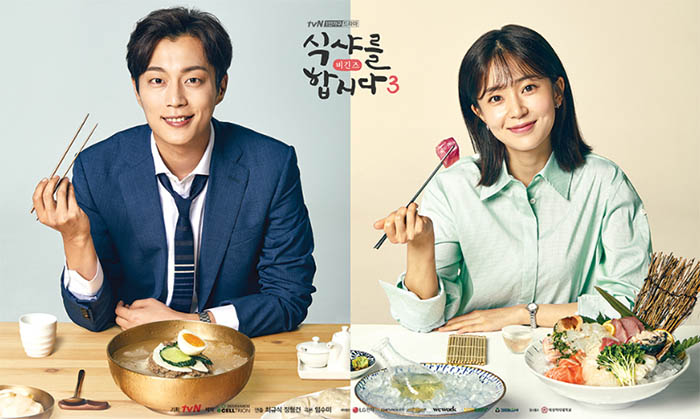
2. Let’s Eat (식샤를 합시다) (2013-2018)
The Vibe: Slice-of-life, comedy, romance, and glorious Mukbang.
Why You Need to Watch: This series is pure food-focused comfort. The central character is an insurance agent and food blogger who bonds with his neighbors over their shared love of dining out. Each episode is a visually stunning tour of different Korean restaurants and dishes, featuring detailed, almost intimate mukbang (eating broadcast) scenes that will make you hungry instantly. This is your guide to modern Korean dining etiquette and delicious contemporary dishes.
The Modern Kitchen: Professional Ambition and Romance
These dramas use the fast-paced, high-stakes world of professional kitchens as the perfect backdrop for romance and ambition.
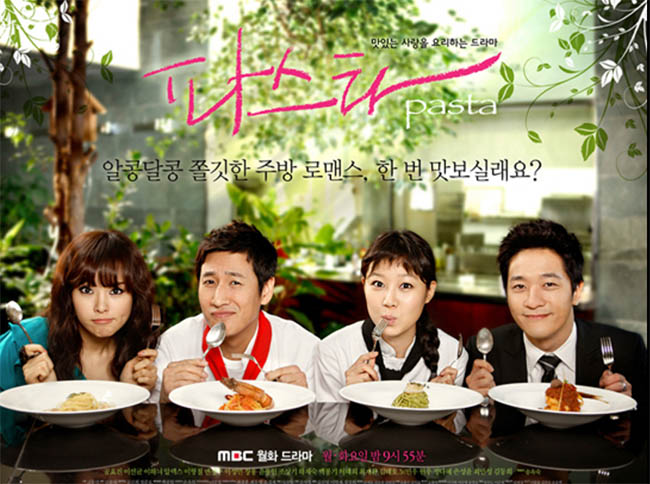
3. Pasta (파스타) (2010)
The Vibe: Romantic comedy set in a professional Italian kitchen in Seoul.
Why You Need to Watch: While the cuisine is Italian, the drama beautifully showcases the intense, hierarchical, and fiercely competitive atmosphere of a real Korean kitchen. The romance centers on a determined kitchen assistant and a perfectionist, chauvinistic head chef. It’s a great way to see the demanding side of the culinary world in Korea, plus the chemistry is electric.

4. Wok of Love (기름진 멜로) (2018)
The Vibe: Melodrama, redemption, and Chinese-Korean cuisine.
Why You Need to Watch: This drama follows a skilled Chinese chef (Seo Poong) who goes from running a high-end hotel kitchen to starting over at a small, struggling Chinese restaurant. It features an incredible array of Chinese-Korean fusion dishes and delves into the emotional connection between food, failure, and personal redemption. It’s a satisfying blend of spice and sweetness.
The Comfort Food Factor: Healing and Connection
These shows prove that sometimes, the simplest food carries the heaviest emotional weight.

5. Itaewon Class (이태원 클라쓰) (2020)
The Vibe: Entrepreneurship, revenge, and found family.
Why You Need to Watch: The entire plot revolves around former convict Park Sae-ro-yi opening his bar-restaurant, DanBam, as an act of revenge against a major food conglomerate. Food here symbolizes ambition, independence, and the power of starting from the bottom. The iconic scene of sharing a meal of Sundubu Jjigae (soft tofu stew) is unforgettable.
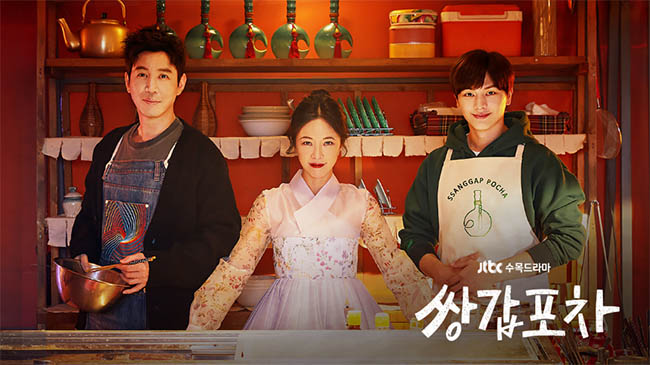
6. Mystic Pop-Up Bar (쌍갑포차) (2020)
The Vibe: Fantasy, healing, and late-night comfort food.
Why You Need to Watch: Set in a mysterious pojangmacha (tent bar) that exists between the living and the dead, the owner helps customers resolve their grudges. Food is the vehicle for emotional release and healing—every dish cooked by the owner helps the troubled soul find peace. It’s a beautiful look at the comfort and nostalgia inherent in Korean late-night dining culture.
Your K-Drama viewing just got a whole lot tastier. Prepare for a serious urge to track down the nearest Korean restaurant!