
K-Pop Fandom Culture Explained (More Than Just Music!)
You’ve seen the synchronized light sticks, the viral charts, and the massive charitable campaigns. K-Pop fandom isn’t just about liking a band; it’s a profound, highly organized, and deeply engaging cultural phenomenon that is unlike any other music fanbase in the world.
To fully appreciate K-Pop, you must understand the Fandom Culture—the intense, structural, and reciprocal relationship between the idol and the fan. It’s where shared commitment, digital strategy, and collective passion turn into global power.
As a local who has witnessed this evolution, I’m here to give you the insider’s look at the three pillars that define the unique world of K-Pop fandom.
Pillar 1: The Collective Identity (The “We” Mentality)
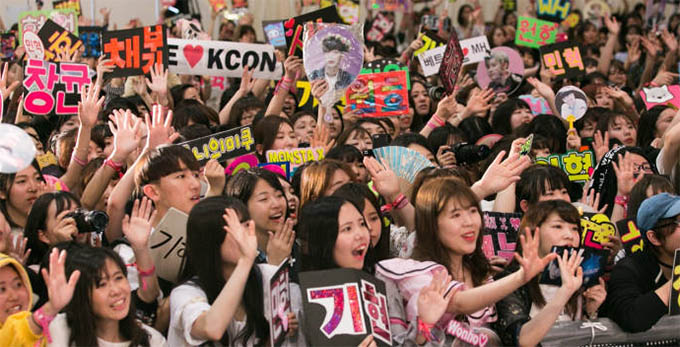
K-Pop fandoms are not a collection of individuals; they are a unified, strategic army.
1. The Official Fandom Name
Every major K-Pop group has an official fandom name (e.g., ARMY for BTS, BLINK for BLACKPINK, STAY for Stray Kids). This name is a badge of honor and signals immediate belonging to a vast, global community. This is not a casual label—it’s a shared identity that fosters profound loyalty.
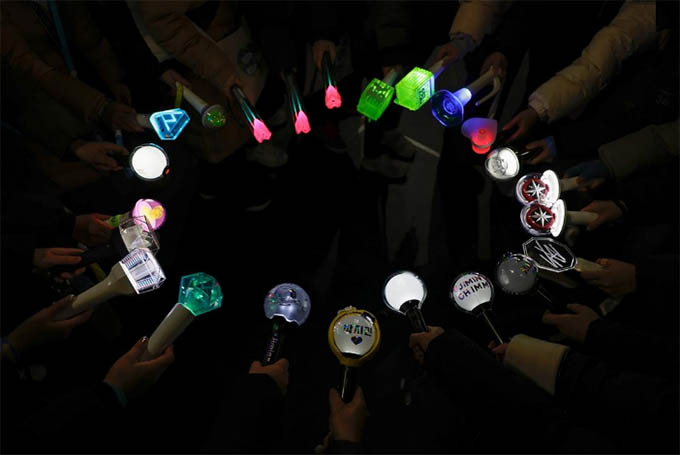
2. The Light Stick (The Symbol of Unity)
The official light stick (Eungwonbong, 응원봉) is the most iconic symbol of this unity. It is specifically designed and named for the group. At a concert, seeing thousands of these sticks synced to the music in a precise “ocean” is the ultimate expression of collective power and dedication. It’s a visual contract between the idol and the fans.
3. The Reciprocal Relationship
Fans view their relationship with the idol as reciprocal. Fans give financial support, streaming commitment, and emotional loyalty. Idols reciprocate with constant, high-quality content, transparency (through platforms like Weverse), and gratitude. The bond feels personal, even at a massive scale.
Pillar 2: The Action-Oriented Commitment (Driving Success)
K-Pop fandoms are famous for their high level of organization and commitment to driving the group’s commercial success.
4. Streaming and Voting Power
Fandoms coordinate massive, global efforts to dominate digital charts. They run scheduled “streaming parties” and voting campaigns for music shows and awards, often using complex tutorials translated into multiple languages. This structured labor is a primary factor in K-Pop’s global chart dominance.
5. High-Value Gift Culture (Support)
This goes beyond simple gifts. Fandoms pool resources to purchase incredibly high-value support—like massive subway advertisements for an idol’s birthday, or huge donations in the idol’s name to charitable causes. This elevates the fandom’s image and creates positive social impact in the idol’s name.
6. The Sasaeng Threat (The Dark Side)
It’s essential to acknowledge the dark contrast: Sasaengs (사생). These are the small minority of obsessive fans who cross boundaries, engaging in stalking, harassment, and invasion of privacy. True fandom culture actively rejects Sasaeng behavior, but their presence is a constant challenge to the industry.
Pillar 3: The Digital Ecosystem (24/7 Access)
Modern K-Pop fandom lives digitally, fueled by constant content.
7. Weverse and Beyond
Platforms like Weverse (HYBE’s fan platform) provide a direct, controlled channel for idols to communicate with fans. This constant stream of exclusive content—vlogs, behind-the-scenes footage, and even direct comments—deepens the emotional connection and exclusivity, maintaining the 24/7 dedication.
K-Pop fandom is a phenomenon of dedication. It’s a high-stakes, rewarding relationship where community, collective action, and emotional investment drive both art and massive global commerce. Welcome to the family!