
Essential Korean Labor Laws Every Foreigner Must Understand
You’re navigating the demanding, fast-paced world of the Korean workplace, which is built on a strong foundation of loyalty, hierarchy, and dedication. But beneath the cultural expectations of Yageun (overtime) and Nunchi (reading the room), there are firm legal protections guaranteed by the Korean Labor Standards Act (LSA).
As a foreign worker, knowing your rights is crucial. While cultural pressure might encourage extra hours, the law provides a clear safety net. Understanding the rules is your best defense against potential exploitation and ensures you get paid fairly for your hard work.
As a local, I’m here to translate the legal jargon into actionable knowledge—the key labor laws you need to know from day one.
1. Working Hours and Overtime Pay (The Yageun Rule)
This is the most critical area where cultural expectation and law often clash.
The Law: The standard legal workweek is 40 hours, with a maximum of 12 hours of permitted overtime per week (totaling 52 hours maximum). You are entitled to one paid day off per week (usually Sunday).
Overtime Compensation: If you work beyond 40 hours, you must be compensated:
Overtime (Weekday): You must be paid 1.5 times (150%) your regular hourly wage.
Night Work (10 PM to 6 AM): You must be paid 1.5 times (150%) your regular hourly wage.
Holiday/Rest Day Work: You must be paid at least 1.5 times (150%) your regular hourly wage.
Actionable Tip: Even if the office does Nunchi Yageun (overtime by obligation), if you are officially logged in or required to be there, you are legally entitled to compensation. Track your hours diligently!
2. Leave and Holidays (Time Off is Your Right)
You are entitled to annual paid leave just like your Korean colleagues.
Annual Paid Leave (연차, Yeoncha): Workers who complete a full year of service are entitled to 15 days of paid annual leave. Even in your first year, you earn one paid day off for every full month worked.
Maternity/Parental Leave: Korea offers robust, legally protected parental leave, including 90 days of paid maternity leave (for women) and up to one year of parental leave (for both men and women). Your nationality does not exempt you from these benefits.
3. Employment Contract (Your Foundation)
Your written contract is your most important document.
The Law: Your employer is legally required to provide you with a written contract specifying your salary structure, working hours, job duties, and terms of leave.
Actionable Tip: Never sign a blank contract. Get a copy in English (if available) or ensure the Korean terms are fully translated and understood. The contract must adhere to the LSA, regardless of what cultural “norms” might suggest.
4. Severance Pay (The Retirement Fund)
This is a mandatory benefit that many foreigners overlook.
The Law: If you work for the same employer for one full year or more, you are legally entitled to severance pay (퇴직금, Toe-jik-geum) equivalent to 30 days’ average wage for every year of service.
The Misconception: Companies cannot substitute severance pay with higher monthly wages or stipulate that foreigners are not entitled to it. This benefit is legally mandatory. Ensure your contract respects this.
5. Protection Against Unfair Dismissal
Your job is protected from arbitrary termination.
The Law: An employer cannot fire an employee without “just cause” (e.g., severe misconduct or major business reasons). The employer must give you at least 30 days’ notice or pay you 30 days’ wages in lieu of notice.
Actionable Tip: If you feel you have been unfairly dismissed, you have the right to file a complaint with the local Regional Labor Relations Commission for mediation.
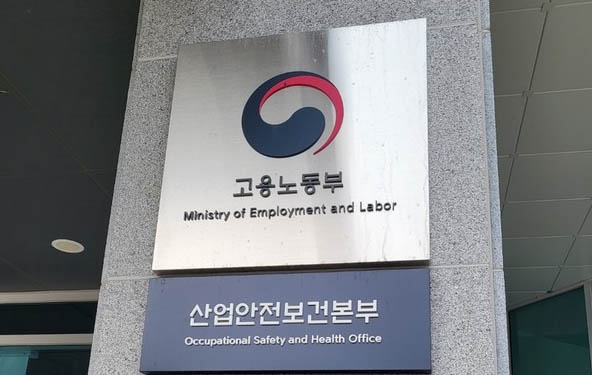
Your dedication in the Korean workplace is admirable, but your legal rights are non-negotiable. If you face labor disputes, contact the government’s Ministry of Employment and Labor (MOEL) for advice.