
Why Korean Beauty Culture Feels Confusing to Foreigners
As a Korean woman living in Korea, I often notice how fascinated foreigners are by Korean beauty culture. But fascination and understanding are not the same thing. Many people see K-pop idols, flawless actors, and perfectly styled influencers and assume that everyday Korean life looks the same.
The reality is more nuanced. Korean beauty culture is deeply tied to social norms, practicality, and everyday habits. Without that context, it’s easy for outsiders to misunderstand what’s really going on.
Misunderstanding 1: “Everyone in Korea Is Obsessed with Being Perfect”
This is probably the biggest misconception. Yes, appearance matters in Korea. But that doesn’t mean everyone is chasing perfection.
For most Koreans, beauty is about looking clean, healthy, and put-together, not flawless. Skincare routines are often practical rather than luxurious. Many people follow simple routines because they work, not because they want to look like celebrities.
The pressure exists, but it’s quieter and more normalized than outsiders often imagine.
Misunderstanding 2: Skincare Equals Vanity
Foreigners sometimes interpret Korea’s skincare culture as vanity-driven. Locally, skincare is closer to hygiene than indulgence.
Using toner, sunscreen, or moisturizer is seen the same way as brushing your teeth or washing your hair. It’s about maintenance, not self-obsession. This applies to both women and men, which often surprises visitors.
Misunderstanding 3: Men Wearing Makeup Is a Trend Statement
One of the most talked-about topics is Korean men wearing makeup. From the outside, this can look like a bold fashion or gender statement.
In reality, everyday makeup for men is minimal and functional. It’s usually limited to evening out skin tone or covering blemishes. Many men don’t even call it makeup. They see it as grooming.
Foreigners often focus on the product itself, while Koreans focus on the result: looking neat and professional.
Misunderstanding 4: K-pop Idols Represent Daily Life
K-pop heavily influences how Korean beauty is perceived globally. But idols are not a reflection of average Koreans.
Idols are styled professionally, under studio lighting, with full teams behind them. Everyday Koreans do not walk around with flawless skin and perfect hair all day. Most people dress comfortably and prioritize practicality for work or school.
Assuming idol aesthetics are the norm leads to unrealistic expectations.
Misunderstanding 5: Plastic Surgery Is Casual and Common for Everyone
Another stereotype is that plastic surgery is casual or expected in Korea. While cosmetic procedures are more openly discussed here than in some countries, that doesn’t mean everyone is getting surgery.
Many Koreans have never had any procedure at all. Discussions around surgery are often pragmatic rather than glamorous, but personal choice still varies widely based on values, finances, and confidence.
Openness does not equal universality.
Misunderstanding 6: Beauty Standards Are Fixed and Unchanging
Foreign media often portrays Korean beauty standards as rigid and identical for everyone. In reality, trends shift quickly.
What was considered attractive ten years ago may feel outdated today. Natural looks, individuality, and skin health are increasingly valued, especially among younger generations. Social media has diversified beauty ideals rather than narrowing them.
Misunderstanding 7: Koreans Judge Others Harshly Based on Looks
This one is tricky. Yes, appearance is noticed. But that doesn’t mean people are constantly judging strangers.
Most Koreans are too busy with work, school, and daily life to analyze others deeply. The focus is more on self-management than criticizing others. The pressure is internal more than external.
Misunderstanding 8: Beauty Culture Is Only for Women
This is a very Western assumption. In Korea, beauty culture includes everyone.
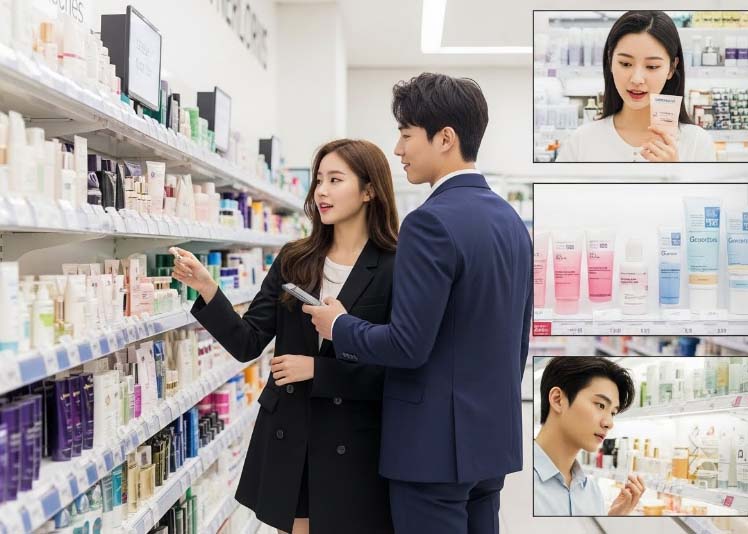
Men buying skincare, couples shopping for face masks together, and fathers using sunscreen are all normal scenes. Grooming is not gendered as strongly as foreigners often expect.
Why These Misunderstandings Keep Spreading
Many misunderstandings come from consuming Korean culture through screens rather than real life. Social media highlights extremes, not routines. Dramas show fantasy, not daily habits.
Without local context, it’s easy to confuse visibility with reality.
How to Understand Korean Beauty Culture More Accurately
If you want to understand Korean beauty culture as it really is, focus less on trends and more on habits. Watch how people prepare for work, what products they actually repurchase, and how casually beauty conversations happen.
Beauty here is not about standing out. It’s about blending in comfortably and feeling socially prepared.
Final Thoughts from a Local Perspective
Korean beauty culture isn’t mysterious or extreme once you see it up close. It’s practical, socially influenced, and deeply normalized. What foreigners often misunderstand is not the behavior itself, but the intention behind it.
From a Korean point of view, beauty is less about self-expression and more about daily care. Once that clicks, a lot of confusion disappears.