
Korean Communication Style: What Foreign Partners Misunderstand
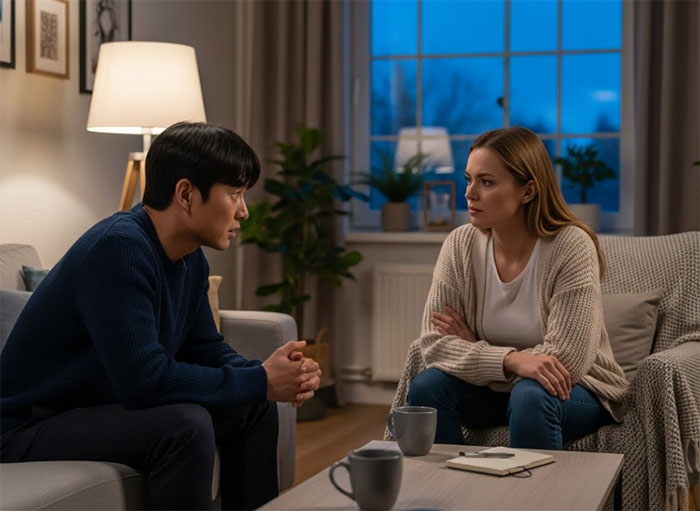
If you’ve dated a Korean before—or you’re currently navigating a cross-cultural relationship—there’s one thing you’ve probably noticed: Korean communication can feel polite, indirect, and sometimes downright confusing. As a Korean local writing for foreigners curious about Korea, I want to clear up some of the biggest misunderstandings that happen in international relationships.
Because trust me—Koreans are communicating. Just… not always in the way you expect.
The Heart of Korean Communication
Korean communication is shaped by social harmony, emotional awareness, and the belief that silence can speak louder than words. To foreign partners, this often looks like mixed signals or vague answers, but there’s real meaning behind the style.
Let’s break down the most common misunderstandings so you can actually understand what your Korean partner means—without needing telepathy.
“It’s Okay” Doesn’t Always Mean It’s Okay
1. The Hidden Emotional Layer
Koreans often soften their feelings to avoid conflict or hurting the other person. So when your partner says:
- “괜찮아” (It’s fine)
- “나중에 얘기하자” (Let’s talk later)
- “아니야, 신경 쓰지 마” (Don’t worry about it)
It might mean they’re upset but need time before diving into the conversation.
2. Why This Happens
Growing up, Koreans are taught to read the room and preserve harmony. Direct confrontation is seen as emotional pressure, especially in relationships. So they often communicate through tone, timing, and context—not blunt words.
When Silence Is Communication
1. Silence Means Processing, Not Avoiding
Foreign partners often panic when the Korean partner becomes quiet.
But in Korean communication, pausing isn’t a shutdown—it’s respect.
It means:
- “I want to think before I speak.”
- “I don’t want to react emotionally.”
- “Let me choose words carefully so I don’t hurt you.”
2. Emotional Space Is a Love Language
Taking time to cool off is considered mature here. It’s a way of protecting the relationship rather than withdrawing from it.
Softness Isn’t Weakness
1. Indirect ≠ Unclear
Many Koreans express opinions gently:
- “Maybe we could try…”
- “It might be better if…”
- “What do you think about…?”
They’re not unsure—they’re being respectful. The message is there, just delivered with care.
2. Directness Can Feel Aggressive
When foreign partners communicate in a straightforward, Western style, some Koreans may interpret it as anger, pressure, or insensitivity—even if the intention is honesty.
This mismatch causes more disagreements than actual cultural differences.
Emotional Hints Foreigners Often Miss
1. Actions Speak Louder Than Words
Many Koreans show affection through effort, not speeches:
- Cooking something you mentioned once
- Remembering small preferences
- Helping with tasks without being asked
If you’re waiting for long, emotional monologues—you’ll wait forever.
Affection in Korea is shown through consistency, not grand statements.
2. Tone > Words
Even if the words are polite, tone reveals everything.
A Korean partner won’t say “I’m angry,” but their tone will turn short, soft, or unusually calm. In Korean culture, emotional restraint often replaces emotional outbursts.
The Biggest Miscommunication of All: “Reading the Air”
1. Koreans Expect Context Skills
In Korea, people constantly read social cues—body language, timing, facial expressions, pauses.
Foreign partners sometimes fail to notice subtle hints, which Koreans find surprising.
2. Why Foreigners Struggle
Western communication values clarity and transparency.
Korean communication values harmony and subtlety.
Neither is wrong—just different.
Once couples understand this, conflict drops dramatically.
How International Couples Can Bridge the Gap
1. Koreans: Explain More Than You Feel Comfortable With
Foreign partners can’t read implied meaning the same way Koreans can.
A little more explanation prevents misunderstandings.
2. Foreign Partners: Don’t Pressure for Direct Answers Immediately
Give your Korean partner time to process.
You’ll get the real answer once they feel safe and ready.
3. Create a “Couple Communication Style”
Blending directness and indirectness makes the relationship stronger.
Set a rule like:
“If something is really important, say it clearly. Everything else can be soft.”
Final Thoughts
Korean communication isn’t confusing—it’s just coded differently. Once you learn how to interpret the layers, you’ll realize how thoughtful and emotionally aware Korean communication really is. Cross-cultural couples who master this skill often find their relationship becomes deeper, smoother, and even more intimate.