
Korean Dramas with Historical Accuracy
If you’re curious about Korea’s past and want dramas that stick close to real events, real figures, and real cultural practices, you’re in the right place. As a Korean local, I’ll be honest—many historical K-dramas (sageuk) take plenty of creative liberties. Time travel, magic, fictional kingdoms… we’ve seen it all. But some dramas really do try to respect history: from politics and clothing to etiquette, architecture, and social structures.
Here’s a curated guide to K-dramas known for their historical accuracy, perfect for international viewers who want the entertainment and the education.
What “Historical Accuracy” Means in K-Dramas
Accuracy looks a little different in Korean TV. Dramas often aim for:
- Faithful representation of real historical figures
- Depictions of documented political events
- Traditional customs and attire that reflect the era
- Language style and social hierarchy consistent with the time
- Real cultural norms and Confucian values
No drama is a textbook, but some get remarkably close.
K-Dramas Praised for Strong Historical Accuracy
Six Flying Dragons(육룡이 나르샤)
If you want a political masterclass in early Joseon history, this is the drama. It covers the turbulent events that led to the founding of the dynasty, featuring real strategists, reformers, and power struggles. The writing is sharp, and the political debates reflect actual historical ideas and conflicts.
Jewel in the Palace (Dae Jang Geum/대장금)
A classic and one of the most globally beloved Korean dramas. Based on the life of a real female physician, it showcases traditional Korean medicine, royal cuisine, kitchen hierarchy, and palace structure. It’s a beautiful introduction to Joseon-era daily life.
The Red Sleeve(옷소매 붉은 끝동)
Praised for its meticulous attention to detail, this drama dives into the life of King Jeongjo and court lady Seong Deok-im. It’s based on historical journals, and the portrayal of royal etiquette, dress, and political tension feels grounded and authentic.
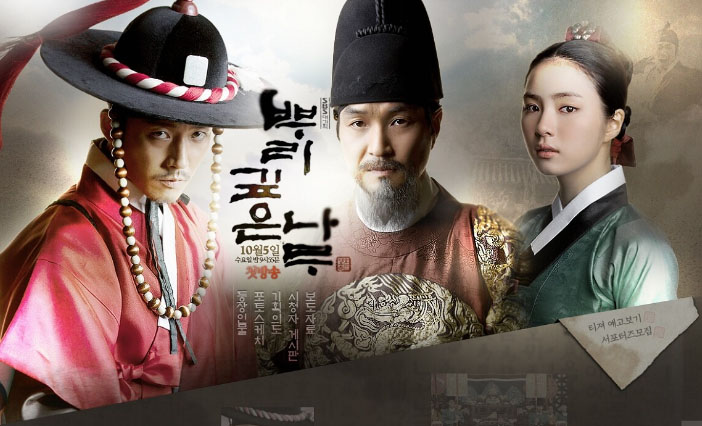
Tree With Deep Roots(뿌리깊은 나무)
Centered on King Sejong and the creation of Hangul, Korea’s writing system. The drama stays close to documented history while expanding on characters’ emotional arcs. It gives viewers a deeper appreciation for the cultural impact of the Korean alphabet.
Dong Yi(동이)
Another drama based on real figures in the court of King Sukjong. While dramatized, it captures the class hierarchy, palace operations, Confucian values, and social norms of the time accurately enough to be used in classrooms.
Historically Faithful Dramas with Strong Storytelling
My Dearest(연인)
Set during the Qing invasion of Korea, this drama portrays the chaos of war, the struggles of ordinary civilians, and the political realities of the time. Koreans appreciated its emotional depth and realistic depiction of wartime life.
The King’s Face(왕의얼굴)
Focused on King Gwanghae, a historically complex figure. The drama explores his rise to the throne and the political turmoil surrounding it, grounded in documented events and relationships.
Empress Myeongseong(명성황후)
A powerful portrayal of one of Korea’s most important historical queens. It captures court politics, foreign intervention, and the shifting dynamics of a country facing modernization and conflict.
Dramas That Balance Fact and Fiction with Respect
These aren’t perfectly accurate, but they are grounded enough to give you a reliable feel for the era:
Saimdang, Light’s Diary(사임당, 빛의 일기
Though fictional in framing, the depiction of artist Shin Saimdang’s world, Joseon art culture, and social expectations is well researched.
The Throne (사도)
A heartbreaking portrayal of Crown Prince Sado’s tragic life. Historically faithful and emotionally intense.
Final Thoughts
If you’re interested in Korea’s history—its dynasties, politics, daily life, and cultural development—historically accurate K-dramas are an engaging way to start. They bring Korea’s past to life with careful craftsmanship, emotional storytelling, and cultural detail that textbooks simply can’t offer. Watch a few of these, and you’ll understand more about Korea than many visitors ever do.