
Korean Scholarships Foreign Students Often Miss
A Korean local’s guide to the hidden opportunities most international students never hear about
If you’re dreaming about studying in Korea, you probably already know the famous scholarships: GKS, university entrance scholarships, maybe even some private foundation programs. But here’s the truth most foreign students don’t realize—Korea has many more scholarships hidden beneath the surface, and they’re surprisingly easy to qualify for if you know where to look.
As a Korean local who regularly talks with international students, I often hear the same thing:
“I wish I had known about that scholarship earlier.”
So today, I’m sharing the lesser-known Korean scholarships that foreign students miss, but absolutely shouldn’t.
1. Local Government Scholarships That Few International Students Know Exist
Most students only look at national scholarships, but many city and provincial governments offer support for foreign residents, including:
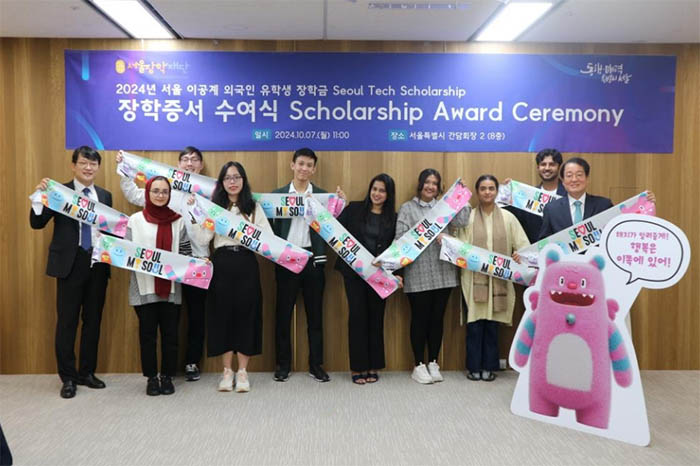
- Seoul Global Scholarship
- Busan Human Resource Scholarship
- Gyeonggi Province Education Support Funds
These are often easier to apply for because they target foreigners already living in that region.
If you’re studying at a university in a major city, you might be eligible without even knowing it.
2. Department-Level Scholarships Hidden on Korean-Only Pages
Here’s the secret: Korean universities often have department-specific scholarships, but the announcements are usually posted only in Korean and buried deep on faculty webpages.
Examples include scholarships for:
- top grades within a department
- participation in lab research
- assisting with international projects
- Korean language improvement
Many foreign students miss these simply because nobody tells them to check the Korean-language pages.
If you’re at a university in Korea now, check your department’s bulletin board and ask your academic advisor directly. You might have been eligible last semester without realizing it.
3. Scholarships for Students with Specific Skills
Not all scholarships are academic. Some support students who bring talent or practical skills to their university community. These include:
- content creation scholarships (video, social media, blogs)
- cultural exchange activity scholarships
- foreign student ambassador programs
- translation or tutoring support work
Foreign students often win these easily because universities actively want more global engagement.
If you enjoy creating content or helping others, these programs are worth exploring.
5. Private Foundation Scholarships You Never Heard About
Korea has many private foundations, each supporting specific groups of students. Some common categories include:
- scholarships for students from developing countries
- scholarships for students with financial difficulties
- scholarships for those studying science, IT, or engineering
- scholarships for Asian students specifically
Foundations like POSCO TJ Park, Hyundai Motor Chung Mong-Koo Foundation, and Korea International Cooperation Foundation quietly support many international students.
The reason these scholarships are often overlooked? Applications are usually posted in Korean newspapers or small university announcements.
6. Korean Language Program Scholarships
Many students think scholarships only apply to degree programs.
Not true.
If you’re studying Korean at a university language institute, you may qualify for:
- attendance-based scholarships
- top-level or top-score benefits
- recommendation-based scholarships
- continuation scholarships for multi-term students
Language institutes love students who work hard, so even a consistent study habit can help you land financial support.
7. Research Assistant (RA) and Teaching Assistant (TA) Scholarships
Graduate students especially miss this one.
Many professors receive government-funded research grants, and they need research assistants who can help with data collection, writing, field work, or international tasks.
These RA positions often include:
- full tuition coverage
- monthly stipends
- extra funding for conferences or research travel
But professors rarely advertise these positions publicly—foreign students usually get them by asking directly or networking in class.
If you’re planning a master’s or PhD, this could be your golden ticket.
8. Industry-Sponsored Scholarships in Tech and Engineering
Korean tech companies are desperate for global talent.
Because of that, companies like Samsung, LG, Naver, Kakao, and SK often support foreign STEM students with tuition or research grants.
These scholarships sometimes require participation in internships or research programs, but the rewards are huge—many lead to job opportunities after graduation.
9. Why Foreign Students Miss These Scholarships
The main reasons foreign students miss out are surprisingly simple:
- Many announcements are only in Korean.
- Scholarships are spread across dozens of websites.
- Advisors often assume international students already know.
- Students feel shy about asking directly.
But once you know where to look, you’ll find more financial support available than you expected.
Final Tips From a Korean Local
If you want to maximize your chances of landing a Korean scholarship:
- Check your department and university webpages weekly.
- Ask Korean classmates or professors directly about opportunities.
- Search in Korean, not English, when looking for scholarships.
- Build a good GPA early—Koreans take academic performance seriously.
- Don’t be afraid to apply even if you’re unsure—you’d be shocked how few students apply.
If you want, I can help you find scholarships based on your major, background, and study plans. Just tell me what you’re studying.