
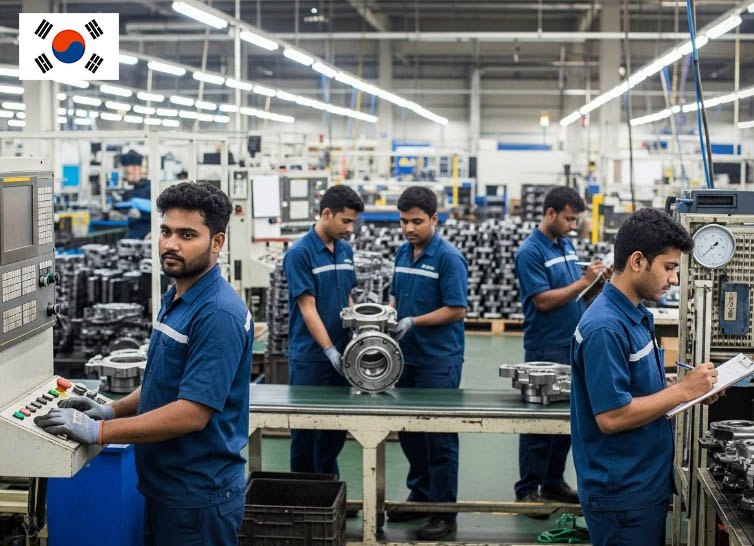
Korean Work Culture Explained for Indians: A Local Korean Perspective
As a Korean woman living and working in Korea, I often meet Indian professionals who arrive with impressive skills, strong motivation, and global experience — yet still feel confused or overwhelmed at work. Not because they aren’t capable, but because Korean work culture follows rules that are rarely written down.
If you’re Indian and planning to work in Korea, or in a Korean company abroad, this guide will help you understand what really matters in Korean workplaces — beyond job titles and contracts.
Work Is About Relationships, Not Just Tasks
In Korea, work is rarely just about completing tasks. It’s about maintaining relationships while doing those tasks.
This means:
- How you say something can matter more than what you say
- Tone, timing, and hierarchy shape every interaction
- Team harmony is valued over individual assertiveness
Indian professionals, who are often direct and solution-focused, may feel frustrated at first. But once you understand that communication is relational, not confrontational, things start to make sense.
Hierarchy Is Real, Even If No One Talks About It
Korean workplaces are structured by hierarchy based on:
- Job title
- Years of experience
- Age
Even if your company feels modern or global, hierarchy still quietly operates in meetings, emails, and decision-making.
For Indians, this can feel restrictive. But in Korea, hierarchy provides clarity. Knowing your position helps others interact with you comfortably.
Respect is shown through:
- Polite language
- Waiting your turn to speak
- Avoiding public disagreement with seniors
This doesn’t mean you can’t share ideas — it means you share them carefully.
Long Hours Don’t Always Mean More Work
One of the biggest surprises for Indians is the length of the workday.
Yes, Koreans are known for long hours, but it’s not always about productivity. Sometimes it’s about:
- Showing commitment
- Being available
- Supporting the team
Leaving early, even after finishing your tasks, can feel awkward — not because it’s forbidden, but because presence is tied to responsibility.
The good news is that this culture is slowly changing, especially in younger companies and global teams.
Meetings Are About Alignment, Not Debate
In Indian workplaces, meetings often involve active debate and brainstorming. In Korea, meetings usually serve a different purpose.
They are used to:
- Confirm decisions already discussed informally
- Ensure everyone is aligned
- Avoid surprises
Disagreement often happens before the meeting in private conversations, not during it. If you challenge ideas publicly, it may feel uncomfortable for others.
Understanding this helps Indian professionals participate more effectively.
Communication Is Indirect, Especially with Problems
Koreans rarely say “no” directly at work.
Instead, you might hear:
- “That could be difficult”
- “Let’s review it”
- “We’ll consider it”
For Indians, this can be confusing. You may think a project is progressing when it’s actually stalled.
The key is to listen for context and follow up gently. Reading between the lines is an important workplace skill in Korea.
Team Loyalty Is Taken Seriously
In Korea, your team is almost like a second family.
This means:
- Helping teammates even if it’s not your responsibility
- Staying late during busy periods
- Prioritizing group success over personal credit
Indians who focus only on individual performance may feel overlooked at first. But those who show reliability and cooperation often gain trust quickly.
After-Work Culture Still Matters
Although it’s changing, after-work socializing remains important in many Korean companies.
These gatherings are not about drinking — they’re about:
- Building trust
- Breaking down hierarchy
- Communicating more openly
You don’t have to attend everything, but participating occasionally helps relationships at work. If you don’t drink alcohol, politely explaining is usually respected.
Feedback Is Subtle, Not Direct
Koreans rarely give blunt feedback.
Praise may be quiet.
Criticism may be indirect.
Silence can mean approval or concern.
Indian professionals often prefer clear feedback, so this can feel frustrating. Asking for clarification politely and privately is usually the best approach.
Work-Life Balance: Improving but Uneven
Korea is aware of its work culture challenges.
Today:
- Younger companies emphasize balance
- Remote and flexible work is growing
- Mental health discussions are increasing
However, traditional expectations still exist in many industries. Understanding the company culture before joining is crucial.
How Indians Can Succeed in Korean Workplaces
From what I’ve seen locally, Indians who thrive in Korea usually:
- Observe before reacting
- Ask questions respectfully
- Adapt communication style without losing identity
- Learn basic Korean workplace phrases
- Build relationships patiently
Technical skills matter, but cultural awareness often matters more.
Common Misunderstandings to Avoid
Avoid assuming:
- Silence means agreement
- Politeness means friendship
- Long hours equal inefficiency
- Hierarchy means lack of respect
Most misunderstandings come from different cultural logic, not bad intentions.
Final Thoughts from a Korean Local
Korean work culture can feel intense, structured, and emotionally restrained — especially to Indians used to expressive communication and flexibility. But it’s also built on loyalty, trust, and shared effort.
Once Indian professionals understand the unwritten rules, many find Korean workplaces surprisingly supportive and stable. The adjustment takes time, but the reward is professional growth in a highly advanced and globally connected environment.
Working in Korea isn’t about changing who you are. It’s about learning how Korea works — and using that knowledge to succeed on your own terms.
What Do Indians Think About Korea? A Korean Local’s Honest Perspective